

Who lived at Machu Picchu? DNA analysis shows surprising diversity at the ancient Inca palace
- Written by: Roberta Davidson, PhD candidate in Genetic Anthropology, University of Adelaide
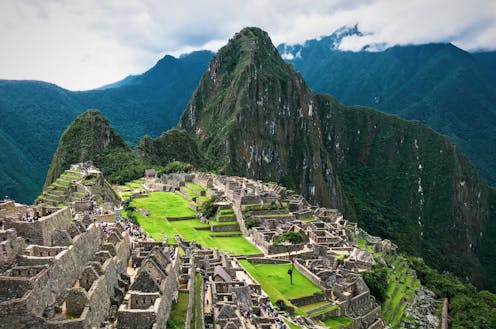
Standing atop the mountains in the southern highlands of Peru is the 15th-century marvel of the Inca empire, Machu Picchu. Today, the citadel is a global tourist attraction and an icon of precolonial Latin American history – but it was once the royal palace of an emperor.
Our international team of researchers has uncovered the incredible genetic diversity hidden within the ancient remains of those who once called Machu Picchu home. We detail our findings in a study published today in Science Advances.
The puzzling remnants of a royal site
The Inca empire once ruled a vast 2 million square km across the breathtaking Andes mountain range in South America. It was formed in 1438 by the first ruler, Pachacuti Inca Yupanqui, and reached its height in 1533, before colonisation by the Spanish.
At the heart of the empire was the capital city of Cusco, and nearby was Pachacuti’s majestic palace, Machu Picchu.
Machu Picchu was visited by the royal family and guests during the dry season of May to October as a place to feast, dance, sing and hunt. Although these elite Incas were buried in Cusco upon their death, the palace was maintained year-round by a few hundred servants who lived on site. These servants were buried in cemeteries outside the palace walls.
Following Spanish colonisation, knowledge of Machu Picchu was lost to the Western world – only to be rediscovered by adventurers in the early 20th century.
In 1912, the Yale Peruvian Scientific Expedition documented a staggering count of 174 individuals buried on site. These burials were often shallow graves, or were concealed under large boulders or natural rocky overhangs.
While many lacked grave goods, ceramic artefacts were discovered buried alongside some people. These paint a vivid picture of cultural diversity, with styles from coastal and northern regions of Peru, as well as from the highlands of Bolivia near Lake Titicaca.
This was the first clue that Machu Picchu drew people from all reaches of the Inca empire. It suggested the servants who lived at Machu Picchu came from a variety of places, bringing ceramics from their homelands.
However, the artefacts could have also ended up in the area through trade. To find out where these people had come from, we would have to analyse their DNA.
New findings from ancient DNA
We sequenced ancient DNA from the remains of 68 individuals – 34 buried at Machu Picchu and 34 buried in Cusco. Using carbon dating, we dated the remains and found some of these people were buried before the rise of Pachacuti and the Inca empire.
We then compared their DNA with that of Indigenous peoples living in the Andes today (past research has found these genetic lines have continued undisturbed for the past 2,000 years) – as well as to ancestries from more distant regions of South America.
It’s worth noting these “ancestries” are based on DNA and don’t necessarily overlap with the peoples’ cultural identities, although they sometimes would.

Were the people buried at Machu Picchu genetically similar to those who had lived in the area since before Pachacuti’s reign? Or were they related to ancestries from more distant regions?
If the latter was true, we could safely assume they (or their parents) had come to Machu Picchu from faraway lands.
Journeying to a life of servitude
Of all the DNA samples we analysed, we found 17 individuals had ancestry from one of the distant sources tested (coloured on the map below). These included all regions of the Peruvian coast and highlands, as well as the Amazon regions of Peru, Ecuador and Colombia.
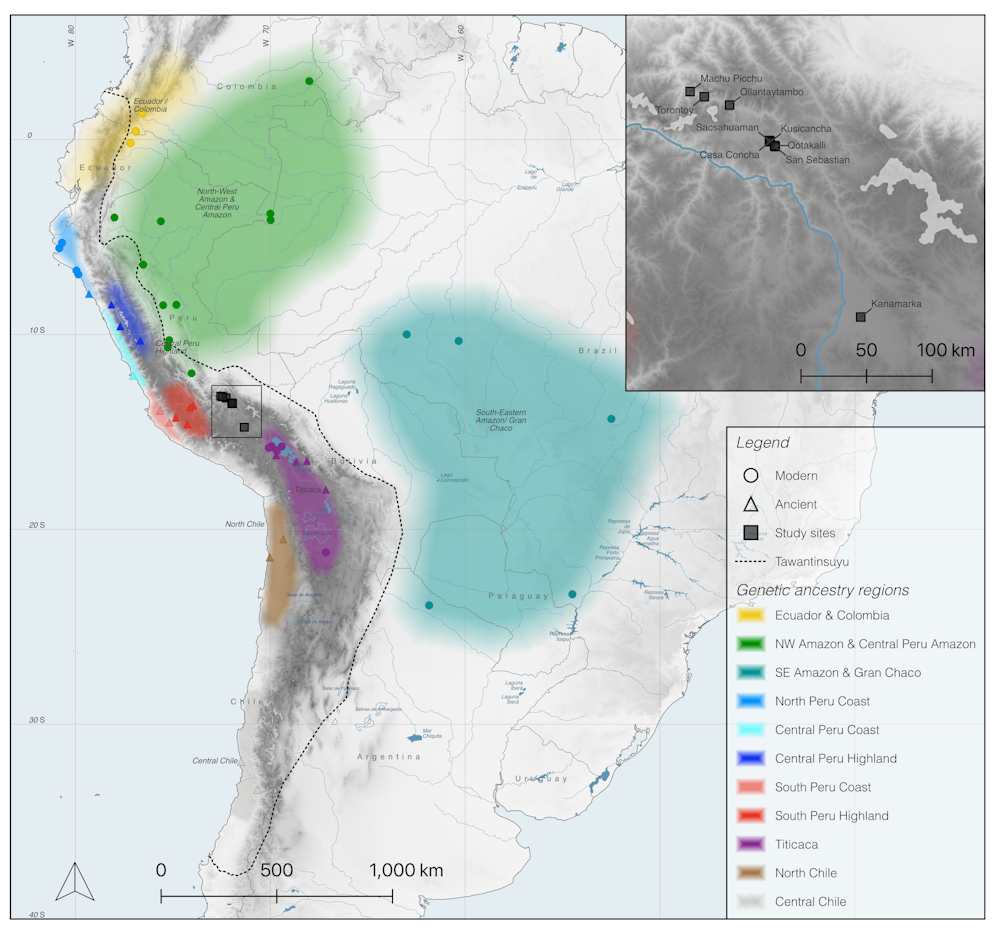 This map of South America shows different genetic ancestries represented in different regions. The black line shows the full extent of the Inca Empire, while the inset shows Machu Picchu and other royal sites.
Salazar et al., 2023, Author provided
This map of South America shows different genetic ancestries represented in different regions. The black line shows the full extent of the Inca Empire, while the inset shows Machu Picchu and other royal sites.
Salazar et al., 2023, Author provided
Only seven of the buried individuals had ancestry that could be linked to Peru’s vast southern highlands where Machu Picchu and Cusco reside. However, we can’t confirm they were local to Machu Picchu itself.
The remaining 13 individuals had blended ancestry, including from as far away as Brazil and Paraguay. They might have been the offspring of individuals from different lands who met at Machu Picchu – or could be linked to yet unknown South American ancestries.
As for close family relationships, we only discovered one pair: a mother and daughter.
Remarkably, all the individuals were buried together in the major cemeteries, irrespective of their ancestry. This could imply they were considered equal in status to one another, which in turn would suggest they were born elsewhere and arrived at Machu Picchu independently, occasionally forming relationships and having children.
It’s likely these people were from a class of “chosen women” called acllacona, and a similar class of men called yanacona. Individuals in these groups were selected from their homes at a young age and permanently assigned to state, aristocratic or religious service.
After arriving at Machu Picchu, they would have spent the rest of their lives serving the royal estate.
Although we don’t know how much (if any) coercion was involved in the process of these people coming to Machu Picchu, analyses of the bones suggest they lived comfortable lives. Many lived to old age and showed no signs of malnutrition, disease, or injury from warfare or heavy labour.
A diversity hotspot
Importantly, the human remains we found that predated the Inca empire did not exhibit high levels of diversity. This suggests it was indeed the establishment of the Inca empire that led people from far and wide to Machu Picchu.
Further, our examination of individuals from Cusco showed less diversity than at Machu Picchu, but more than other regional sites. This is probably because the extensive highland area had a long history of interactions between different peoples before the rise of the Inca empire.
Our findings paint a captivating picture of Machu Picchu as a true hotspot of diversity within the Inca imperial realm – setting it apart as a culturally rich hub within the ancient landscape.
Read more: How llamas conquered the world
Authors: Roberta Davidson, PhD candidate in Genetic Anthropology, University of Adelaide


















