

What is POTS? And how is it related to long COVID?
- Written by Marie-Claire Seeley, PhD Candidate, Australian Dysautonomia and Arrhythmia Research Collaborative, University of Adelaide
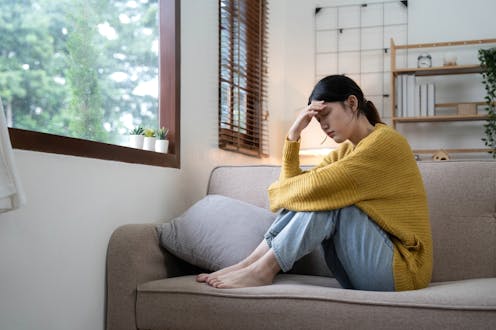
POTS or “postural orthostatic tachycardia syndrome” is a poorly recognised condition we’ve been hearing more about recently.
When people stand up, get out of bed or off the sofa, their heart races and they feel dizzy and fatigued, severely impacting their quality of life. Everyday tasks, such as washing their hair in the shower or working, become challenging because people cannot stay upright.
Before COVID, this debilitating condition was not widely talked about. But during the pandemic, we’ve been learning about the strong similarities with long COVID.
In fact, our recent research shows more than three-quarters of people with long COVID we studied had POTS.
What triggers it?
Multiple studies, including our own, have shown viral infection is the most common trigger for POTS.
Then came the pandemic, with almost 800 million people infected so far with SARS-CoV-2, the virus that causes COVID. The World Health Organization says 10-20% of people infected with COVID are likely to develop long COVID – when unexplained symptoms persist three months or more after the infection.
Now, more research is showing how long COVID resembles POTS. Many people with long COVID show similar symptoms.
What we and others have found
Our recent study found nearly 80% of people with long COVID had POTS. In people who had both and were of similar age, symptoms were indistinguishable from those who got POTS from other causes.
The people in our study either attended a specialist cardiology clinic for people with POTS or long COVID, or came via a long COVID support group on social media. So we cannot generalise our results to people managing their long COVID at home or with their GP.
Earlier this year, a review said about 30% of people with people with “highly symptomatic” long COVID also had POTS. Most (73%) met criteria for POTS and other types of dysfunction of the autonomic nervous system.
Taken together, we can conclude that many, but not all, cases of long COVID can be explained by POTS – a condition we’ve known about for years and know how to manage.
Read more: We can learn a lot about long COVID from years of diagnosing and treating chronic fatigue syndrome
What happens if you have POTS?
We suspect some cases of POTS result from a hyper-vigilant immune response to an invading pathogen, such as a virus. This, or another trigger, affects the autonomic nervous system.
This part of the nervous system balances a vast array of functions including maintaining blood flow to vital organs, digestion, temperature control, sweating and even sexual function.
Even if the autonomic nervous system is marginally disturbed, it leads to the physiological equivalent of anarchy.
The simplest of daily tasks – such as washing your hair in the shower – can result in profound symptoms of dizziness, a racing heart, breathlessness, brain fog and general exhaustion.
In other research published earlier this year, we found people with POTS have a poor quality of life – poorer than people with chronic illnesses such as HIV, cancer, or cardiovascular and kidney disease.

A long path to diagnosis
Many patients are also forced to negotiate a diagnostic odyssey littered with tales of disbelief and dismissal by medical professionals, friends and family. Diagnosis can take years.
In our submission to the parliamentary inquiry into long COVID, we shared the experiences of people with POTS symptoms and their frustration at the lack of recognition by the medical profession. One health worker said:
I am a nurse myself and specifically brought up that I believed I had POTS after COVID infection. I was treated like a hypochondriac and told I had anxiety, which was absolutely ludicrous as I had physical symptoms […] I had many presentations to [the emergency department] with no help or diagnosis whatsoever.
Read more: We got some key things wrong about long COVID. Here are 5 things we've learnt
We can do better
Prompt diagnosis is vital in the face of what we suspect are rising numbers of newly diagnosed cases associated with long COVID.
Although many people with POTS report they were referred to multiple specialists before they were diagnosed, this is not always necessary.
GPs can ask you to do a ten-minute standing test to help diagnose it. They can also exclude other common causes of POTS symptoms, such as lung and heart conditions.
There is no known cure for POTS. However, once diagnosed, there are multiple things that can improve and manage the condition. A questionnaire your GP can give you can help prioritise which symptoms to manage. You then work with your trusted GP to manage these.
Increasing fluid and salt intake (under the supervision of your GP), and using full-length compression tights is recommended. These help control heart rate and blood pressure, and reduce dizziness.
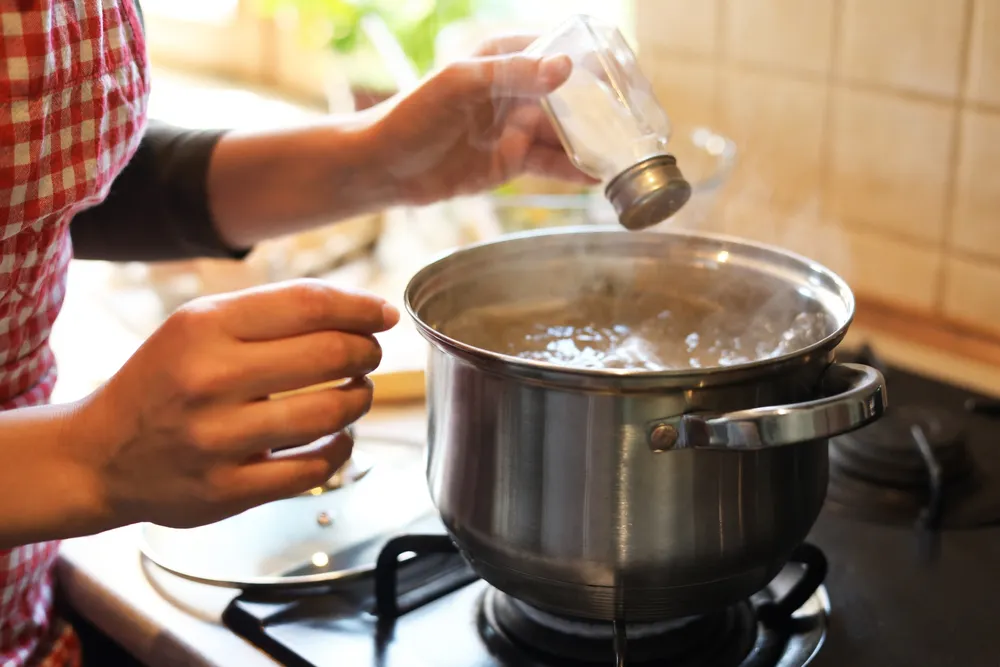 Eating more salt can help.
Shutterstock
Eating more salt can help.
Shutterstock
Avoiding triggers is important. These include avoiding standing still for extended periods, hot showers, large meals high in carbohydrates, and hot environments.
Many people also benefit from medicines to help control their blood pressure and heart rate.
Read more: What should my heart rate be and what affects it?
How about referral?
If referral to specialist services are required, this can be complex and expensive. There are no specialised clinics for POTS in public hospitals. Instead, POTS is mainly managed in the private sector.
Referral options can be overwhelming. People may benefit from referral to a range of health professionals to manage their symptoms, including a physiotherapist, psychologist, occupational therapist or exercise physiologist – ideally ones familiar with POTS.
All these barriers means access to diagnosis and treatment largely depends on someone having sufficient money, or being confident enough to navigate the health system.
If you have symptoms such as those we’ve described, see your GP for assessment. For more information about the condition, see the Australian POTS Foundation website, which also lists doctors and allied health professionals who are “POTS aware”.
Authors: Marie-Claire Seeley, PhD Candidate, Australian Dysautonomia and Arrhythmia Research Collaborative, University of Adelaide
Read more https://theconversation.com/what-is-pots-and-how-is-it-related-to-long-covid-208280

















