

what do publishers' revisions and content warnings say about the moral purpose of literature?
- Written by Dan Dixon, Adjunct Lecturer, University of Sydney
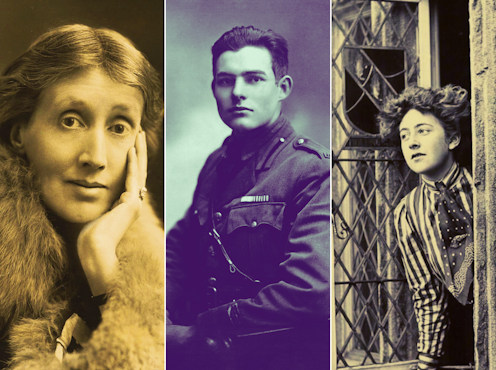
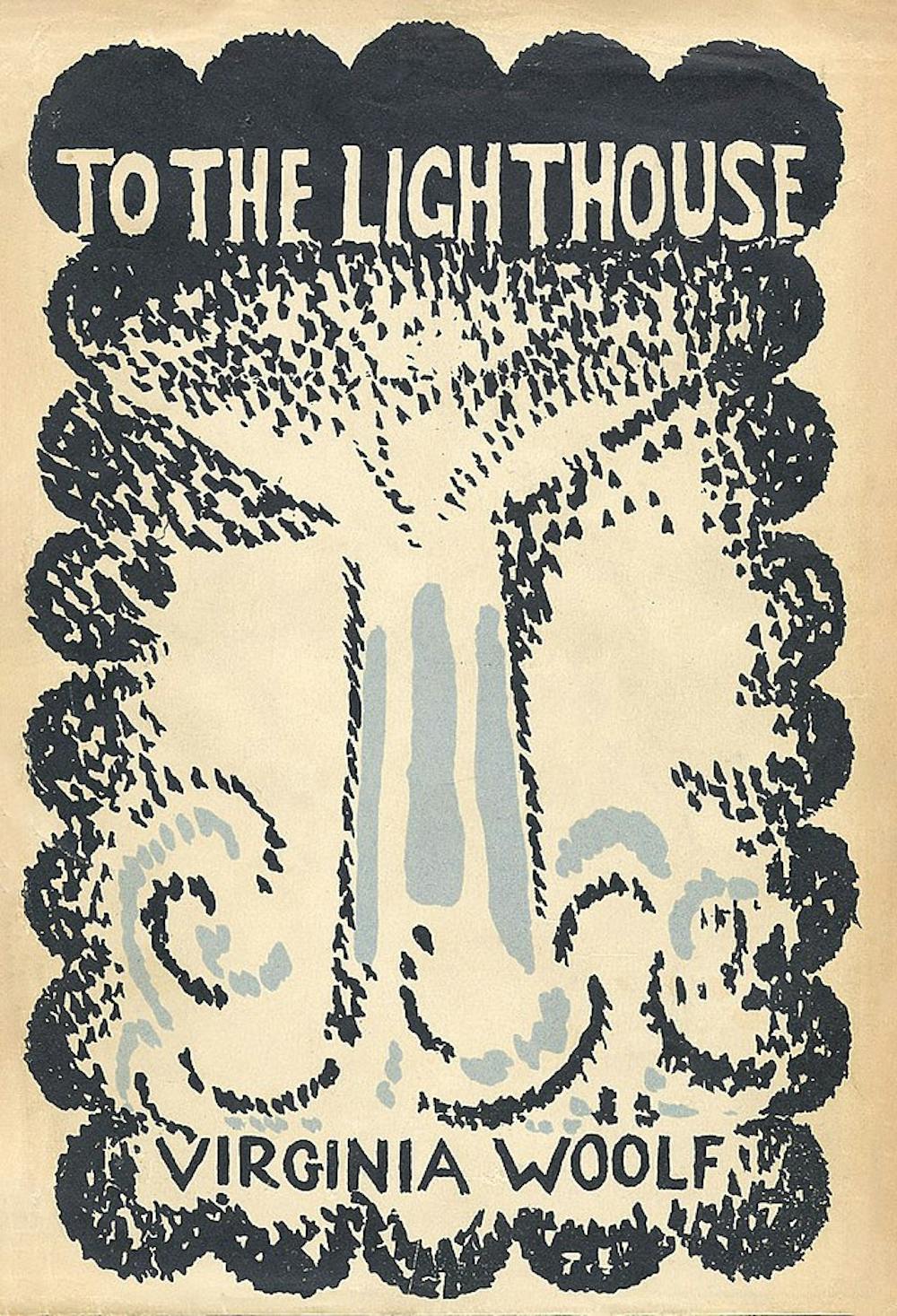
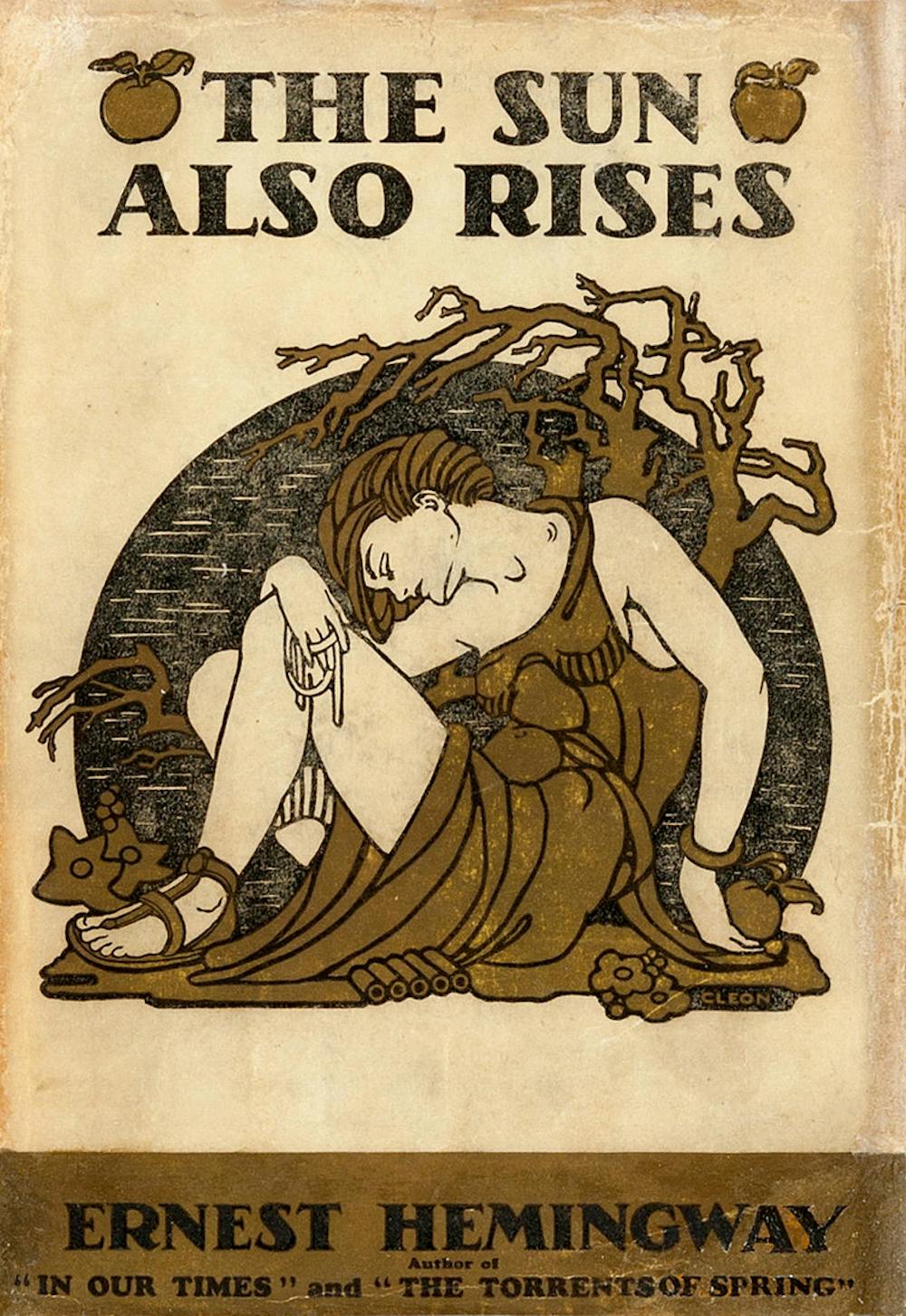
This year, there has been some controversy about the rewriting of passages from authors such as Roald Dahl, Enid Blyton, Ian Fleming and Agatha Christie with the aim of removing potentially offensive material. Some publishers have also adopted the precautionary measure of adding content warnings and disclaimers to books by Ernest Hemingway, Virginia Woolf, Raymond Chandler and P.G. Wodehouse.
Critics of these bowdlerisations and disclaimers have come from across the political spectrum and seem to vastly outnumber those defending the practice. It is some time since I have noticed a literary topic come up as frequently as this one in conversation with those outside the literary culture. And while, as an academic, it is heartening to see people worked up about books and their value, it is disheartening to see books recruited as culture-war fodder.
 Skimming any contemporary writers’ festival program will demonstrate that we struggle to talk about books on any other terms. Yet if book-talk most easily rises to the level of public discussion when it involves a simple moral controversy, then we are inexorably incorporating literature into the sepia mass of monetised cultural gruel of which our society appears increasingly to comprise.
Two questions motivate this latest argument. The first entails uncertainty about what constitutes literary censorship. Is rewriting a sentence to expurgate an offensive term a form of vandalism, or is it no different from (or at least comparable to), say, translation?
The second is a much debated and oft-reformulated inquiry, familiar within and without literary studies: is there a necessary connection between a work’s literary value and its moral quality? When we read a book do we expect a degree of moral instruction, as to how we should or should not live?
These are worthwhile questions, but they are not the only ones. Literature is extraordinary, in part, because it cannot be reduced to such questions.
Moral debates arise easily because they tend to encourage definitive judgements, which are both gratifying and compatible with an increasingly commodified world. In particular, a moral judgement has the power to bestow a final endorsement or condemnation, meaning one can avoid what Keats described as negative capability: “being in uncertainties, mysteries, doubts, without any irritable reaching after fact and reason”.
A capacity to cope with the unpleasantness of irresolution could be taken as a mark of maturity. The desire for certainty, for a world of unambiguously demarcated ethical boundaries of the kind found in much young adult fiction, could be described as a reassuring childish fantasy.
There might be good reasons for removing offensive language from a text, but we should be suspicious of the impulse to polish literature for modern sensibilities, to make writing newly palatable and inoffensive. To treat books as objects that can be modified to suit the mood of the times is to risk ushering them into the category of pure commodity, optimised according to market desires.
Skimming any contemporary writers’ festival program will demonstrate that we struggle to talk about books on any other terms. Yet if book-talk most easily rises to the level of public discussion when it involves a simple moral controversy, then we are inexorably incorporating literature into the sepia mass of monetised cultural gruel of which our society appears increasingly to comprise.
Two questions motivate this latest argument. The first entails uncertainty about what constitutes literary censorship. Is rewriting a sentence to expurgate an offensive term a form of vandalism, or is it no different from (or at least comparable to), say, translation?
The second is a much debated and oft-reformulated inquiry, familiar within and without literary studies: is there a necessary connection between a work’s literary value and its moral quality? When we read a book do we expect a degree of moral instruction, as to how we should or should not live?
These are worthwhile questions, but they are not the only ones. Literature is extraordinary, in part, because it cannot be reduced to such questions.
Moral debates arise easily because they tend to encourage definitive judgements, which are both gratifying and compatible with an increasingly commodified world. In particular, a moral judgement has the power to bestow a final endorsement or condemnation, meaning one can avoid what Keats described as negative capability: “being in uncertainties, mysteries, doubts, without any irritable reaching after fact and reason”.
A capacity to cope with the unpleasantness of irresolution could be taken as a mark of maturity. The desire for certainty, for a world of unambiguously demarcated ethical boundaries of the kind found in much young adult fiction, could be described as a reassuring childish fantasy.
There might be good reasons for removing offensive language from a text, but we should be suspicious of the impulse to polish literature for modern sensibilities, to make writing newly palatable and inoffensive. To treat books as objects that can be modified to suit the mood of the times is to risk ushering them into the category of pure commodity, optimised according to market desires.
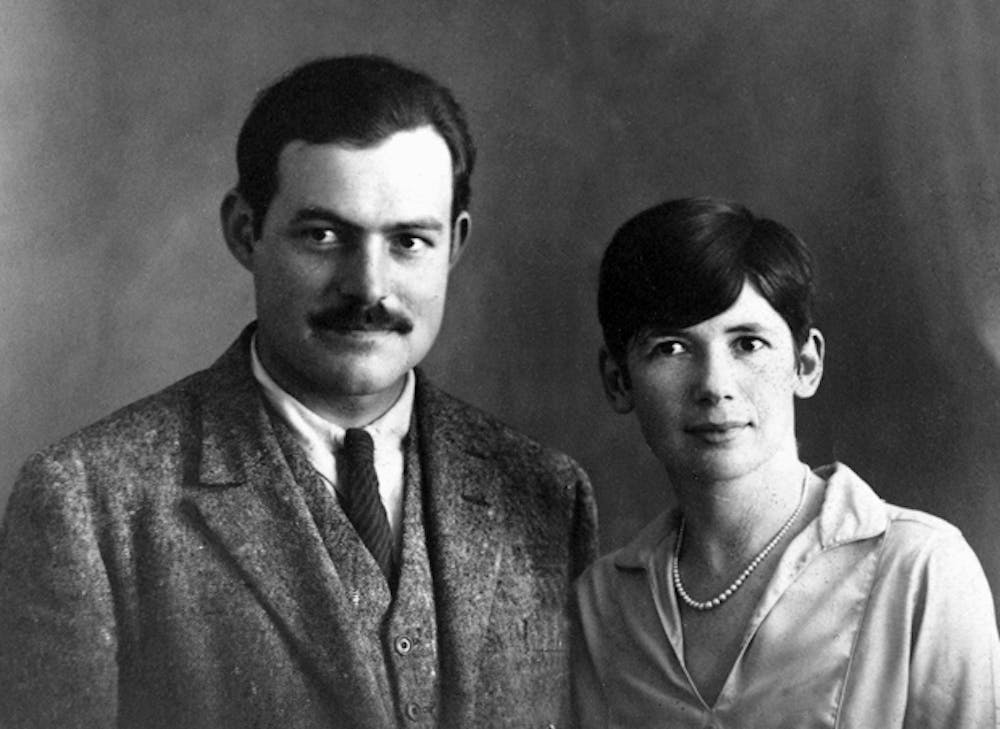 Ernest and Pauline Hemingway in Paris, 1927.
Wikimedia Commons
The urge to keep Dahl agreeable, for example, is a consequence of a corporation desiring to profit from Roald Dahl the brand. Children’s author Philip Pullman suggested that, rather than revising Dahl, it would be preferable to let him go out of print. This is inconceivable. Dahl’s estate is simply worth too much.
It is in the interest of the Roald Dahl Story Company, purchased by Netflix in 2021, to make Dahl as widely acceptable as possible. Thus the effort to sand off his edges. Brands must be slick, inoffensive, inhuman.
No sensible person would defend Dahl’s character. He was a professed antisemite. In the 1970s, he was forced by the advocacy of the civil rights organisation NAACP to change Charlie and the Chocolate Factory’s Oompa Loompas, who were originally depicted as pygmies brought from Africa to work in the chocolate factory unpaid.
These facts may repulse you to such an extent you can never read Dahl again – or perhaps you might prefer to evaluate his books on their own terms, detaching them from the author’s beliefs. Either response is possible and understandable. But the texts cannot be entirely revalued or made morally sound by meddling with a few sentences or replacing them with clunky alternatives.
Ernest and Pauline Hemingway in Paris, 1927.
Wikimedia Commons
The urge to keep Dahl agreeable, for example, is a consequence of a corporation desiring to profit from Roald Dahl the brand. Children’s author Philip Pullman suggested that, rather than revising Dahl, it would be preferable to let him go out of print. This is inconceivable. Dahl’s estate is simply worth too much.
It is in the interest of the Roald Dahl Story Company, purchased by Netflix in 2021, to make Dahl as widely acceptable as possible. Thus the effort to sand off his edges. Brands must be slick, inoffensive, inhuman.
No sensible person would defend Dahl’s character. He was a professed antisemite. In the 1970s, he was forced by the advocacy of the civil rights organisation NAACP to change Charlie and the Chocolate Factory’s Oompa Loompas, who were originally depicted as pygmies brought from Africa to work in the chocolate factory unpaid.
These facts may repulse you to such an extent you can never read Dahl again – or perhaps you might prefer to evaluate his books on their own terms, detaching them from the author’s beliefs. Either response is possible and understandable. But the texts cannot be entirely revalued or made morally sound by meddling with a few sentences or replacing them with clunky alternatives.
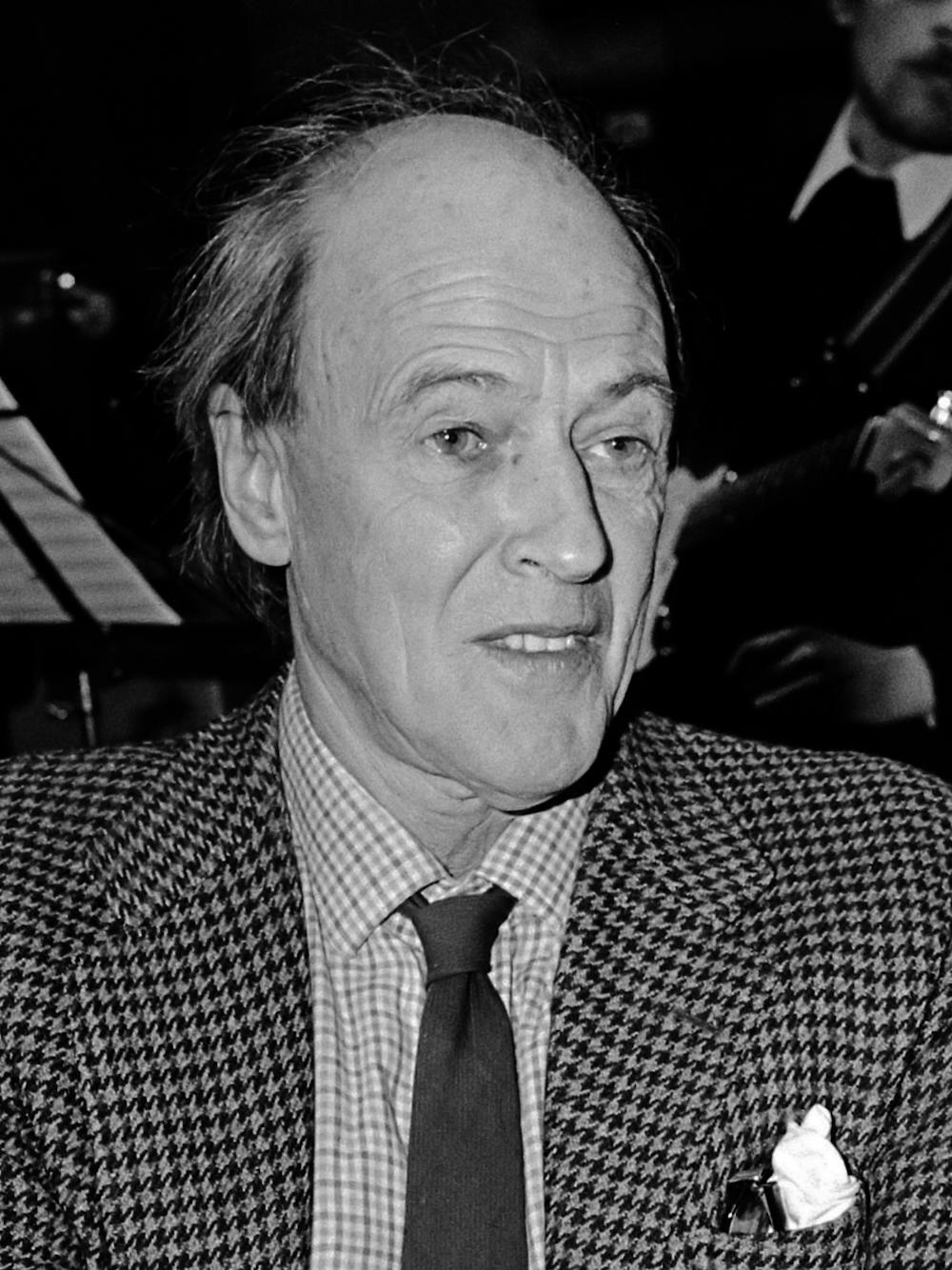 Roald Dahl in 1982.
Hans van Dijk/Wikimedia Commons, CC BY-SA
Literature has always been influenced by the marketplace. Historically, it has evolved through systems of patronage and copyright, gatekeeping publishers and nepotistic periodicals. But to reduce an author to a brand is to obliterate what makes literature a meaningful category. Art distinguishes itself from commerce by pushing back against these capitalist formations and, consequently, being incompatible with reductive moralism.
This is obvious when we consider how we treat books differently to other purchasable items. If you buy a vacuum cleaner that fails to suck dust from your carpet, you should be able to return it. This is because vacuum cleaners are meant to perform a clearly identifiable, unambiguous function.
If you purchase a book that does not work as expected, it would be perverse to attempt to return it to the bookshop and say:
I found the prose too dense; the characters were meaner than I wanted them to be; I thought I was reading a detective story, but halfway through it became a revenge tragedy.
The nourishment offered by reading depends, in fact, on our not knowing how the experience of a book will unfold until we are reading it. The value is revealed in the act of reading. Even when rereading, we find pleasure in noticing patterns or aspects of a work that did not come into view during the previous encounter. We never quite know what we are in for.
The best literature can be spiky, ambiguous, difficult, cruel, strange, unpredictable, hectoring and unpleasant. It is not the job of a book to ease the life of its reader. Reading a good book might mean having a terrible day, a day in which you are scared, sad, distressed.
It is rare (if not unheard of) that we pay to undergo unpleasant experiences that teach us nothing. But literature does not have an obligation to be useful; we do not have to learn anything from it. It need not produce anything except a readerly response. The alternative is that we are paying to be numbed.
Read more:
Proceed with caution: the trouble with trigger warnings
A reasonable reaction?
What, then, is a reasonable reaction to a book that offends? And by what mechanisms are thresholds of offence and moral transgression established?
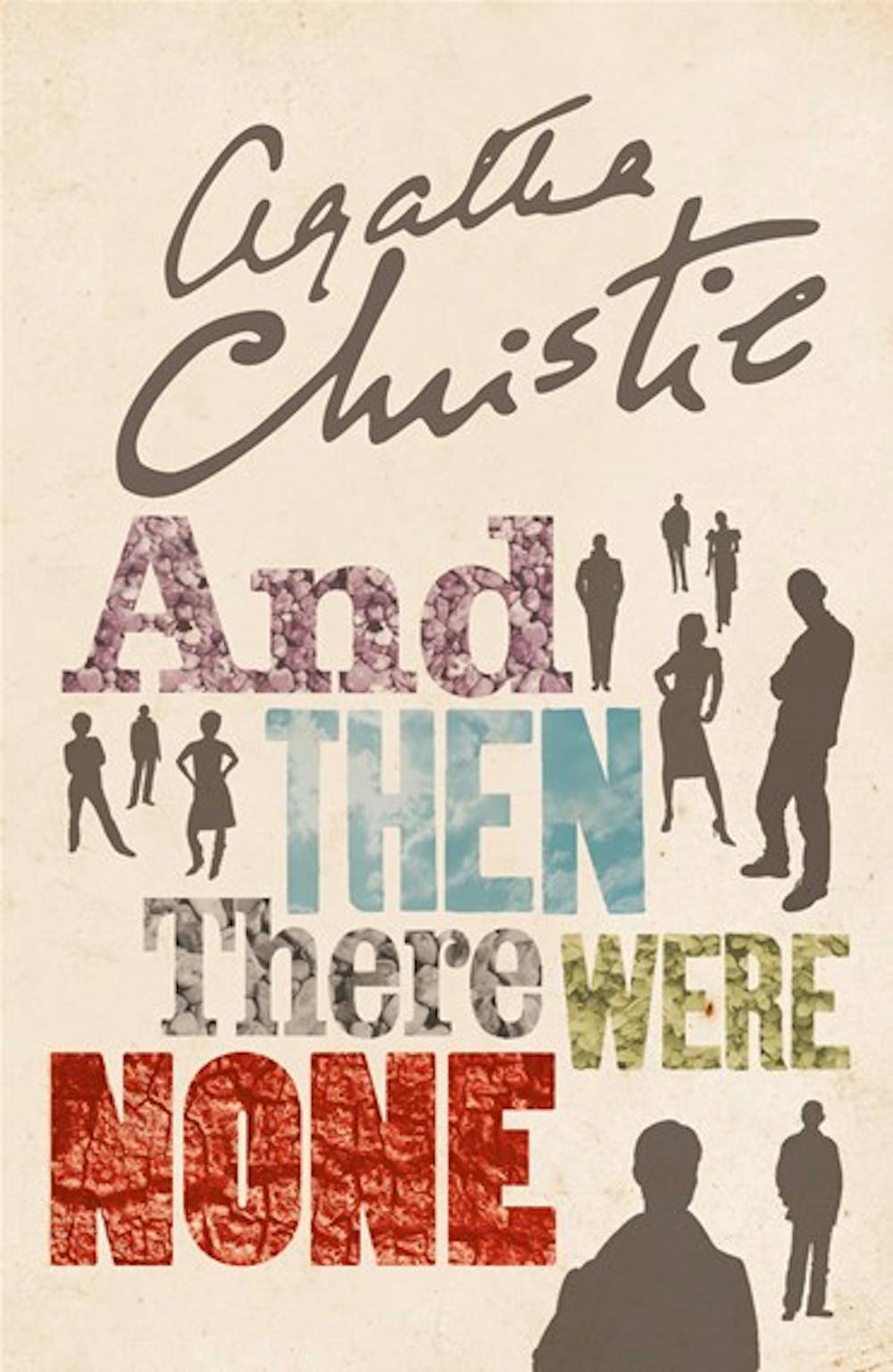
There are social norms arrived at more or less by consensus which few would dispute. There are certainly examples of books that necessitate judicious editing if they are to continue being published. To return to the original title of Agatha Christie’s And Then There Were None, for example, would make the book unsellable. (Conversely, it could be argued that concealing the author’s choice so as to prolong a book’s life unfairly deceives readers.)
Roald Dahl in 1982.
Hans van Dijk/Wikimedia Commons, CC BY-SA
Literature has always been influenced by the marketplace. Historically, it has evolved through systems of patronage and copyright, gatekeeping publishers and nepotistic periodicals. But to reduce an author to a brand is to obliterate what makes literature a meaningful category. Art distinguishes itself from commerce by pushing back against these capitalist formations and, consequently, being incompatible with reductive moralism.
This is obvious when we consider how we treat books differently to other purchasable items. If you buy a vacuum cleaner that fails to suck dust from your carpet, you should be able to return it. This is because vacuum cleaners are meant to perform a clearly identifiable, unambiguous function.
If you purchase a book that does not work as expected, it would be perverse to attempt to return it to the bookshop and say:
I found the prose too dense; the characters were meaner than I wanted them to be; I thought I was reading a detective story, but halfway through it became a revenge tragedy.
The nourishment offered by reading depends, in fact, on our not knowing how the experience of a book will unfold until we are reading it. The value is revealed in the act of reading. Even when rereading, we find pleasure in noticing patterns or aspects of a work that did not come into view during the previous encounter. We never quite know what we are in for.
The best literature can be spiky, ambiguous, difficult, cruel, strange, unpredictable, hectoring and unpleasant. It is not the job of a book to ease the life of its reader. Reading a good book might mean having a terrible day, a day in which you are scared, sad, distressed.
It is rare (if not unheard of) that we pay to undergo unpleasant experiences that teach us nothing. But literature does not have an obligation to be useful; we do not have to learn anything from it. It need not produce anything except a readerly response. The alternative is that we are paying to be numbed.
Read more:
Proceed with caution: the trouble with trigger warnings
A reasonable reaction?
What, then, is a reasonable reaction to a book that offends? And by what mechanisms are thresholds of offence and moral transgression established?
There are social norms arrived at more or less by consensus which few would dispute. There are certainly examples of books that necessitate judicious editing if they are to continue being published. To return to the original title of Agatha Christie’s And Then There Were None, for example, would make the book unsellable. (Conversely, it could be argued that concealing the author’s choice so as to prolong a book’s life unfairly deceives readers.)
 In most circumstances, there is nothing wrong with trying to avoid offence. When teaching a text that students may find difficult, I am happy to provide a content warning. It is not obvious to me that forcing a student to encounter shocking material, perhaps material they find personally painful, is necessarily edifying or educational.
In fact, any social interaction requires us to calculate what it is permissible to say, and there are many remarks we refrain from making for fear they might hurt. In the case of this current controversy, however, attention must be paid to how and why the decisions about what constitutes unacceptable material are being made.
In an ordinary setting, a reader who finds a book disagreeable can put that book down, or not pick it up in the first place. An author might also consider such consequences when writing a book.
But if the moral authority to make these decisions on behalf of an audience is sourced from the imperative to keep a property such as James Bond or Willy Wonka marketable, the literature is degraded. While it may be in the interest of art to leave its audience in distress, it will never be in the interest of capital to upset a potential consumer.
To defend literature entirely on moral grounds is to cede important territory. Of course, literature can make you a better person; it can also make you a worse one. It is most likely to do neither. Of course, a reader can find a book morally offensive or morally instructive, but that might be only one thread in a complex array of responses.
Any argument that treats literature as fundamentally therapeutic, self-improving or society-improving, risks reducing literature to self-help – a genre that promises to improve its reader’s character. To approach literature as a machine for self-improvement is to share ground with the bad-faith arguments of those who justify their bigoted moralising by referring to the cultural achievements of Western civilisation.
The shared perspective is that the value of books depends on the readers they produce. To read broadly and deeply is a marvellous thing that can make us alert to the wide-ranging varieties of being. But no book will condemn or redeem us. This is because books do not exist without readers, and each reader is an unpredictable variable. While it is appealing to believe that a person’s aesthetic judgement is a reliable indication of their moral character, these traits are only tenuously connected.
So, if not on moral terms, how might we defend literature? We can liken it to conversation. A conversation can be morally nourishing or deadening. It is neither good nor bad. Conversations are surely responsible for some of history’s worst atrocities, along with its most wondrous achievements. And clearly we cannot stop having conversations, whether we wish to or not.
In this and other ways, reading resembles conversation. It is an ongoing exchange between reader and writer, one that will continue to change with the times, enlivening us for its own sake.
Authors: Dan Dixon, Adjunct Lecturer, University of Sydney
In most circumstances, there is nothing wrong with trying to avoid offence. When teaching a text that students may find difficult, I am happy to provide a content warning. It is not obvious to me that forcing a student to encounter shocking material, perhaps material they find personally painful, is necessarily edifying or educational.
In fact, any social interaction requires us to calculate what it is permissible to say, and there are many remarks we refrain from making for fear they might hurt. In the case of this current controversy, however, attention must be paid to how and why the decisions about what constitutes unacceptable material are being made.
In an ordinary setting, a reader who finds a book disagreeable can put that book down, or not pick it up in the first place. An author might also consider such consequences when writing a book.
But if the moral authority to make these decisions on behalf of an audience is sourced from the imperative to keep a property such as James Bond or Willy Wonka marketable, the literature is degraded. While it may be in the interest of art to leave its audience in distress, it will never be in the interest of capital to upset a potential consumer.
To defend literature entirely on moral grounds is to cede important territory. Of course, literature can make you a better person; it can also make you a worse one. It is most likely to do neither. Of course, a reader can find a book morally offensive or morally instructive, but that might be only one thread in a complex array of responses.
Any argument that treats literature as fundamentally therapeutic, self-improving or society-improving, risks reducing literature to self-help – a genre that promises to improve its reader’s character. To approach literature as a machine for self-improvement is to share ground with the bad-faith arguments of those who justify their bigoted moralising by referring to the cultural achievements of Western civilisation.
The shared perspective is that the value of books depends on the readers they produce. To read broadly and deeply is a marvellous thing that can make us alert to the wide-ranging varieties of being. But no book will condemn or redeem us. This is because books do not exist without readers, and each reader is an unpredictable variable. While it is appealing to believe that a person’s aesthetic judgement is a reliable indication of their moral character, these traits are only tenuously connected.
So, if not on moral terms, how might we defend literature? We can liken it to conversation. A conversation can be morally nourishing or deadening. It is neither good nor bad. Conversations are surely responsible for some of history’s worst atrocities, along with its most wondrous achievements. And clearly we cannot stop having conversations, whether we wish to or not.
In this and other ways, reading resembles conversation. It is an ongoing exchange between reader and writer, one that will continue to change with the times, enlivening us for its own sake.
Authors: Dan Dixon, Adjunct Lecturer, University of Sydney 
















