

why so many outer suburban residents are opting for EVs
- Written by: Park Thaichon, Associate Professor of Marketing, University of Southern Queensland
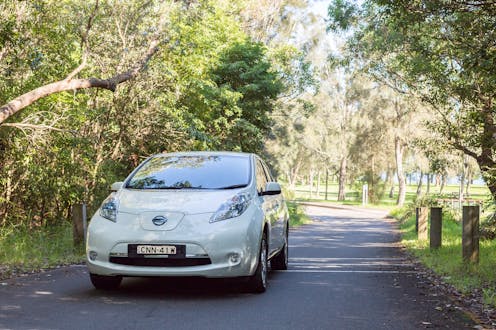
Until now, you might have thought of electric vehicles as inner suburban toys. Teslas and Polestars are expensive, leaving them as playthings for wealthier Australians and out of reach for the mortgage belt.
But that’s no longer the case. As residents in the outer suburbs reel from price rises seemingly everywhere, more and more are turning to electric vehicles (EVs) to slash their fuel bill.
Last year, EV orders for outer suburban residents (43%) overtook inner suburban residents (39%) for the first time. Rural and regional residents accounted for 18% of orders.
Avoiding petrol costs is one reason. But there are other good reasons, from easier parking and charging, to lower maintenance. And as our research into why people buy EVs has shown, there’s an even more fundamental reason – car buyers now know more about EVs and feel more familiar with the technology.
Outer suburbs rely on cars
The further you get from the city centre, the more likely you are to have to drive. Distances are longer and public transport drops off. Research from 2020 shows most outer suburban residents who commute have to travel between 10 and 30 kilometres. Every workday return commute costs these workers about A$36 in car running costs, or $180 a week – and this figure will likely have risen since.
So while the initial upfront cost of an EV may put some people off, others run the numbers on how much they spend on petrol – and how much they would save by going electric.
Petrol prices have surged in recent years due to armed conflict in Europe and the Middle East. This affects outer suburban, rural and regional residents the most, given they cover the most distance.
This is a major reason why more outer suburbanites are going electric. Electricity is much cheaper than petrol, especially if you make it yourself with solar. Outer suburban residents are more likely to have solar on their rooftops than inner suburban residents in Sydney and Melbourne.
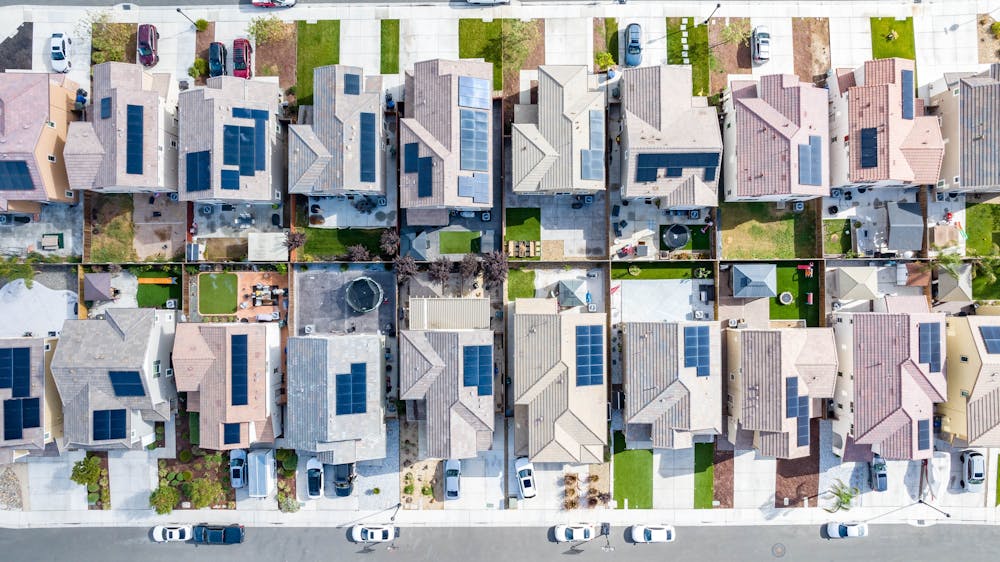 Outer suburban houses with off-street parking can find it easier to charge their EVs – especially paired with solar.
NorCalStockMedia/Shutterstock
Outer suburban houses with off-street parking can find it easier to charge their EVs – especially paired with solar.
NorCalStockMedia/Shutterstock
Data from the Australian Bureau of Statistics shows the majority of electric vehicle owners live 20 to 60km away from their city’s CBD.
The most popular EVs in Australia last year (Tesla Model Y, Model 3 and BYD’s Atto) can drive between 400 and 500km before needing a recharge. The all-important range has grown substantially in recent years, and now mean suburban residents can commute, shop and go out without worrying about finding a place to charge.
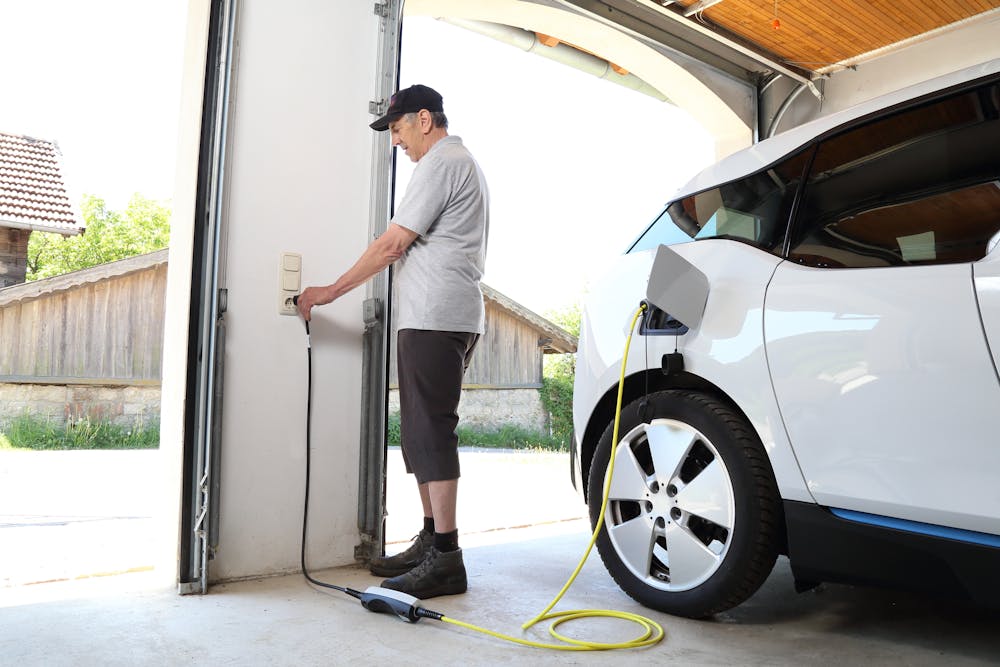
In fact, the outer suburbs are better placed than inner suburbs in terms of charging cheaply. In the inner suburbs, space is at a premium and many houses do not have off-street parking. That makes it hard to recharge your car from your home. But outer suburban homes tend to have off street parking or a garage, which means you can charge cheaply at home.
This is to say nothing of the environmental benefits by avoiding what comes out of the tailpipe of an internal combustion car: carbon dioxide, PM2.5 particles dangerous to our health, and many other nasties.
EVs versus the cost of living
At present, many of us are reining in expenses, cutting back on extracurricular activities and putting off holidays to cope with the surging cost of everything – especially mortgages.
It would make financial sense for many of us to switch to EVs to take advantage of much cheaper running and maintenance costs. But the higher up-front cost of EVs has long been a disincentive.
What’s changing now is that cheaper EVs are arriving from the likes of the world’s second-largest EV manufacturer, China’s BYD and other Chinese brands such as MG. Tesla has cut its prices, too.
In Australia, the cheapest EVs now start from A$40,000, though most still cost $60,000–$90,000.
The secondhand market is growing too, as government fleet EVs come up for sale and as early adopters buy new cars and sell their old.
What are governments doing?
Subsidies, tax credits, and local charging infrastructure are making it easier for residents on the outskirts to transition towards greener transport.
Some state governments are trying to accelerate adoption with a range of incentives for EV owners, from subsidies to cheaper registration. The interest was so strong in Victoria and South Australia that these governments have wound back some subsidies. By contrast, Queensland is offering a generous $6,000 rebate for new EV owners.
At a federal level, the proposed new vehicle efficiency standards will encourage carmakers to sell more fuel-efficient vehicles. If these standards come in, they will likely penalise fuel-guzzling cars and make fuel misers cheaper. They will also likely increase the number of EVs and other zero-emissions vehicles in the Australian market.
Read more: What would a vehicle efficiency standard for new cars cost – or save – Australian drivers?
What’s next?
Outer suburban residents are buying electric vehicles for very good reasons: financial prudence, practicality and a cleaner future.
Petrol is a substantial expense for many who live in car-dependent suburbs. If you can stop buying it and get the same thing you want – transport – with far cheaper running costs, why wouldn’t you?
Read more: Electric vehicles are suddenly hot − but the industry has traveled a long road to relevance
Authors: Park Thaichon, Associate Professor of Marketing, University of Southern Queensland


















