

Climate change is causing marine ‘coldwaves’ too, killing wildlife
- Written by Nicolas Benjamin Lubitz, Researcher in marine ecology, James Cook University
The effects of ocean warming are profound and well-documented. But sometimes changes in the patterns of winds and ocean currents cause seawater to suddenly cool, instead.
Surface temperatures can plummet rapidly — by 10ºC or more over a day or two. When these conditions persist for several days or weeks, the area experiences a “coldwave”, which is the opposite of more familiar marine heatwaves.
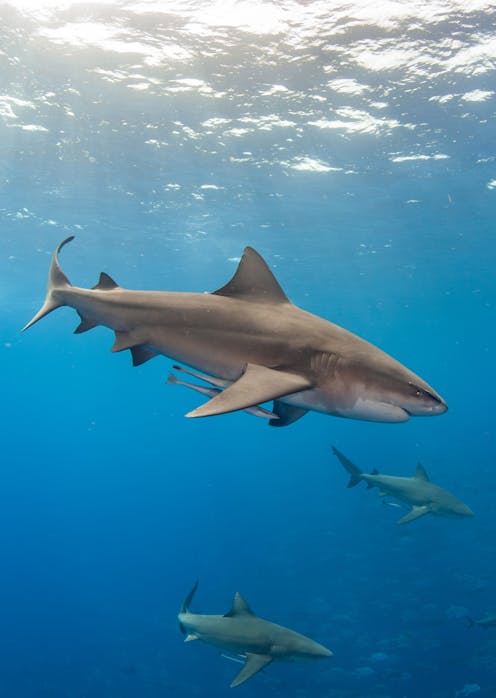
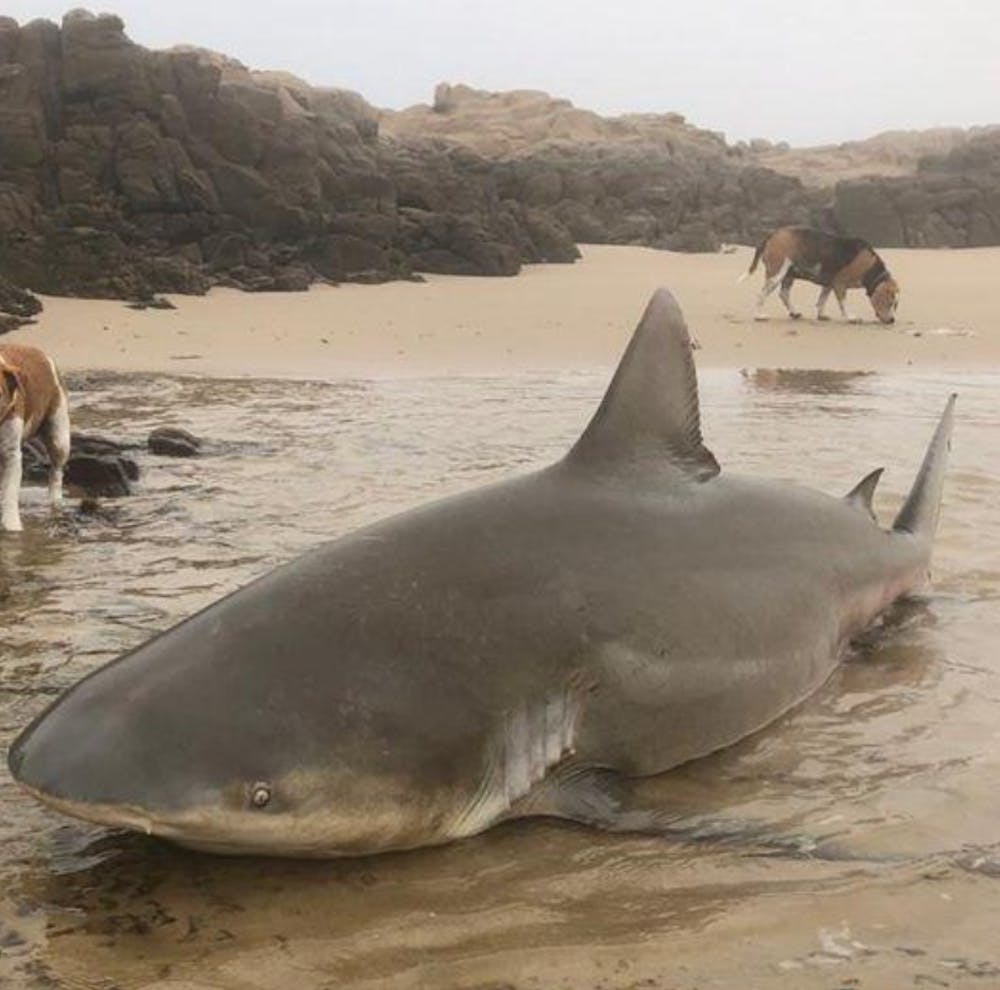
When a “killer coldwave” manifested along South Africa’s southeast coast in March 2021, it killed hundreds of animals across at least 81 species. More worrying still was the fact these deaths included vulnerable manta rays and even specimens of notoriously robust migratory bull sharks. In southern Africa, bull sharks, whale sharks and manta rays have previously washed up dead following such sudden cold events, especially over the past 15 years.
As we report in Nature Climate Change, the conditions that can drive these killer coldwaves have grown increasingly common over the past four decades. Ironically, strengthening winds and currents as a result of climate change can also make these deadly localised coldwaves more likely in places such as the east coasts of South Africa and Australia, potentially putting even highly mobile species such as sharks in harm’s way.
What’s going on?
Certain wind and current conditions can cause the sea surface to cool, rather than warm. This happens when winds and currents force coastal waters to move offshore, which are then replaced from below by cold water from the deep ocean. This process is known as upwelling.
In some places, such as California on the US west coast, upwelling happens regularly along hundreds of kilometres of coastline. But localised upwelling can occur seasonally on a smaller scale, too, often at the edges of bays on the east coasts of continents due to interactions of wind, current and coastline.
Previous research had shown climate change induced changes in global wind and current patterns. So we investigated the potential consequences at particular locations, by analysing long-term wind and temperature data along the south-eastern coast of South Africa and the Australian east coast.
This revealed an increasing trend in the number of annual upwelling events over the past 40 years. We also found an increase in the intensity of such upwelling events and the extent to which temperatures dropped on the first day of each event – in other words, how severe and sudden these cold snaps were.
Read more: The Southern Ocean upwelling is a mecca for whales and tuna that's worth celebrating and protecting
Mass deaths warrant investigation
During the extreme upwelling event along the southeast coast of South Africa in March 2021, at least 260 animals from 81 species died. These included tropical fish, sharks and rays.
To investigate the ramifications for marine fauna, we took a closer look at bull sharks. We tagged sharks with tracking devices that also record depth and temperature.
Bull sharks are a highly migratory, tropical species that only tend to travel to upwelling regions during the warmer months. With the onset of winter, they migrate back to warm, tropical waters.
Being mobile, they should have been able to avoid the local, cold temperatures. So why were bull sharks among the dead in this extreme upwelling event?
When running and hiding isn’t enough
Bull sharks survive environmental conditions that would kill most other marine life. For example, they’re often found several hundred kilometres up rivers, where other marine life would not venture.
Our shark tracking data from both South Africa and Australia showed bull sharks actively avoid areas of upwelling during their seasonal migrations up and down the coast, even when upwelling isn’t too intense. Some sharks take shelter in warm, shallow bays until the water warms again. Others stick close to the surface where the water is warmest, and swim as fast as they can to get out of the upwelling.
But if marine coldwaves continue to become more sudden and intense, fleeing or hiding may no longer be enough even for these tough beasts. For example, in the event in South Africa that caused the death of manta rays and bull sharks water temperatures dropped from 21°C to 11.8°C in under 24 hours while the overall event lasted seven days.
This sudden, severe drop paired with the long duration made this event particularly deadly. If future events will continue to become more severe, mass deaths of marine life could become a more common sight – especially along the world’s mid-latitude east coasts.
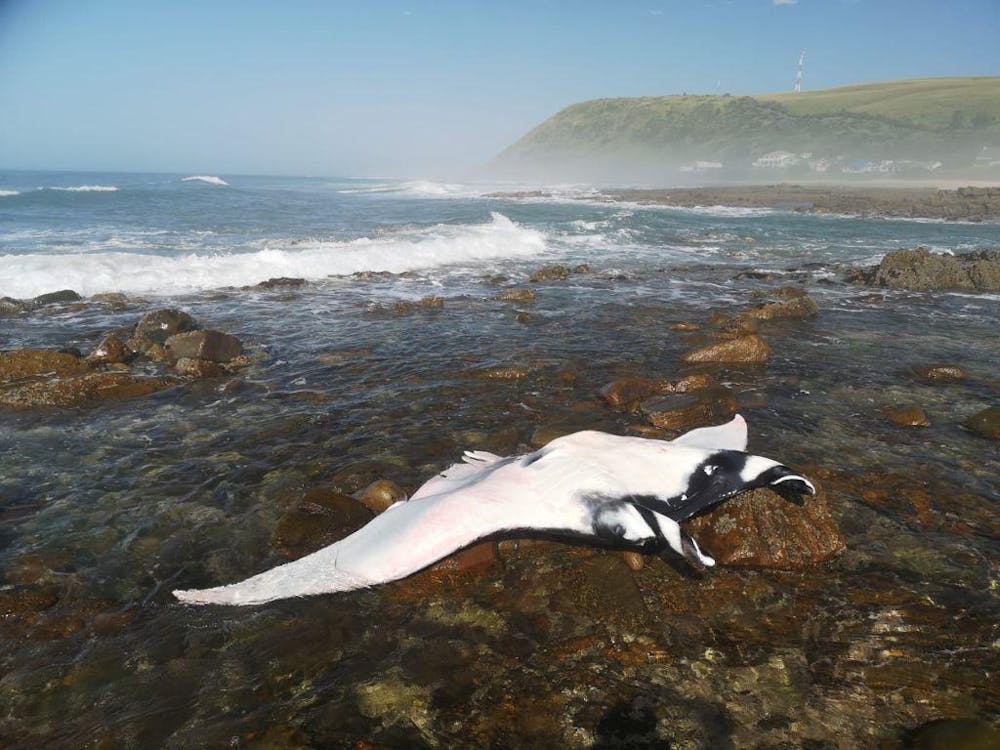 Manta rays were among the dead after the extreme upwelling event.
Ryan Daly
Manta rays were among the dead after the extreme upwelling event.
Ryan Daly
Still learning how climate change will play out
Overall, our oceans are warming. The ranges of tropical and subtropical species are extending towards the poles. But along some major current systems, sudden short-term cooling can make life difficult for these climate migrants, or even kill them. Especially if events like the one in South Africa become more common. Tropical migrants would increasingly be living on the edge of what they are comfortable with in these areas.
Our work emphasises that climate impacts can be unexpected or even counterintuitive. Even the most resilient life forms can be vulnerable to its effects. While we do see an overall warming, changes in weather and current patterns can cause extreme cold events as well.
This really shows the complexity of climate change, as tropical species would expand into higher-latitude areas as overall warming continues, which then places them at risk of exposure to sudden extreme cold events. In this way, species such as bull sharks and whale sharks may very well be running the gauntlet on their seasonal migrations.
The need to limit our impacts on the planet by reducing greenhouse-gas emissions has never been more urgent, nor has been the need for research into what our future might hold.
Authors: Nicolas Benjamin Lubitz, Researcher in marine ecology, James Cook University
Read more https://theconversation.com/climate-change-is-causing-marine-coldwaves-too-killing-wildlife-227781

















