

What’s the global orange juice supply crisis – and should Australians be worried?
- Written by Dr Imran Ali, Senior Lecturer in Operations and Innovation Management, CQUniversity Australia
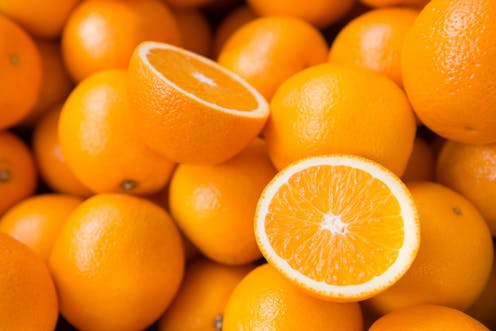
Oranges – and all the things we can make from them – are big business. But the industry is facing a severe crisis.
About 50 million tonnes of oranges are grown each year, 34% of them in Brazil. Brazil is also the world’s biggest exporter of orange juice by far, producing about 70% of global supply.
But Brazil’s orange-growing regions have recently endured extreme drought and heat stress in the crop’s flowering period, as well as alarming rates of citrus greening disease – an incurable bacterial infection.
As a result, Brazil’s orange production is now forecast to fall by more than 24% in the 2024–25 season, which would be the country’s smallest harvest since the late 1980s.
The situation in Brazil has been exacerbated by declining production in other major orange-growing regions such as Florida, Israel, Spain and Argentina.
Combined, these pressures saw the futures price of frozen concentrated orange juice – which represents a contract for future delivery – hit an all time high last week.
So how might these global pressures impact Australia – and the breakfast rituals of so many?
Where does Australia get its juice?
Australia certainly grows a lot of oranges itself, with major plantations in the Riverina, Murray Valley and Riverland. We’re the world’s 12th-biggest producer of the fruit.
Despite this, strong demand means we still rely heavily on imports of frozen orange juice concentrate for about half of what is consumed here. About 80% of these imports come from Brazil, followed by Israel at about 10%.
Australian consumers have not yet been as severely affected as those in Europe and the US, as local orange growers have been able to somewhat fill the supply gap in the domestic market. However, it’s likely our over-reliance on orange concentrate from Brazil will eventually lead to a supply crunch here.
At this stage, it’s hard to know exactly what the full effect on consumers will be. Frozen concentrated orange juice is typically used for cheaper retail orange juice, but the shortage will put upward pressure on the price of orange juice more broadly.
Orange juice concentrate has also been used for a wide range of commercial uses, including cosmetics, cleaning products, vitamin supplements and beverage blends. Many of these products rely on orange concentrate as a key ingredient. Therefore, we could also see significant supply disruptions and price spikes across a range of other products.
The situation could prompt consumers and producers to choose alternatives. In the breakfast beverage market, products blending orange juice with apple, mango or pineapple may become increasingly attractive to consumers on cost alone.
Mandarins may be a particularly promising alternative given how closely their taste and nutritional value aligns with orange juice.
Will the crisis benefit Australia’s orange industry?
In theory, the global shortage could be a boon for Australia’s local industry, given our favourable climate and well-established orange production regions.
Increasing our domestic production of oranges would not only help meet domestic demand, but could also help capitalise on the current shortage by increasing exports.
Australian producers will probably enjoy higher prices for orange juice in the short term, but our local citrus industry isn’t in the best shape. Some orange growers have been leaving the business due to rising production costs, poor supermarket prices and competition from imported products.
Rising input costs and a stubborn shortage of farm workers have intensified financial pressures, making profits elusive. On top of this, the market dominance of Australia’s two major supermarket chains has limited growers’ bargaining power, leading to unfavourable contract terms for many producers.
How could our growers become more resilient?
There’s no quick fix for the current supply shortage of orange juice. But there are a number of steps that could at least make Australia’s citrus industry more resilient to this and any future supply shocks.
In Australia, labour accounts for a substantial amount of total production costs. More investment in automation could decrease the industry’s reliance on labour and ultimately push prices down.
Recognising these technologies may be out of reach for many small and medium-sized growers, governments may need to investigate subsidising them.
Growers could increase their bargaining power against the big supermarkets by further diversifying who they sell to. This could include through direct-to-consumer sales, increasing their presence at farmer markets and engaging in collaborative marketing.
Establishing more fruit-processing facilities and getting better access to the international markets should also be priorities.
And lastly, Australia is highly vulnerable to the severe disruption that climate change poses to the agri-food sector, including orange production. We should prepare for this by conducting more comprehensive research into climate-resilient varieties, renewable energy sources, and offering education programs to growers.
Authors: Dr Imran Ali, Senior Lecturer in Operations and Innovation Management, CQUniversity Australia

















