

Google AI


Modern Australian

the rise in marine heatwaves is harming ocean species

  • Written by: Dan Smale, Research Fellow in Marine Ecology, Marine Biological Association

In the midst of a raging heatwave, most people think of the ocean as a nice place to cool down. But heatwaves can strike in the ocean as well as on land. And when they do, marine organisms of all kinds – plankton, seaweed, corals, snails, fish, birds and mammals – also feel the wrath of soaring temperatures.

Our new research, published today in Nature Climate Change, makes abundantly clear the destructive force of marine heatwaves. We compared the effects on ecosystems of eight marine heatwaves from around the world, including four El Niño events (1982-83, 1986-87, 1991-92, 1997-98), three extreme heat events in the Mediterranean Sea (1999, 2003, 2006) and one in Western Australia in 2011. We found that these events can significantly damage the health of corals, kelps and seagrasses.

This is concerning, because these species form the foundation of many ecosystems, from the tropics to polar waters. Thousands of other species – not to mention a wealth of human activities – depend on them.

We identified southeastern Australia, southeast Asia, northwestern Africa, Europe and eastern Canada as the places where marine species are most at risk of extreme heat in the future.

Read more: Marine heatwaves are getting hotter, lasting longer and doing more damage

Marine heatwaves are defined as periods of five days or more during which ocean temperatures are unusually high, compared with the long-term average for any given place. Just like their counterparts on land, marine heatwaves have been getting more frequent, hotter and longer in recent decades. Globally, there were 54% more heatwave days per year between 1987 and 2016 than in 1925–54.

Although the heatwaves we studied varied widely in their maximum intensity and duration, we found that all of them had negative impacts on a broad range of different types of marine species.
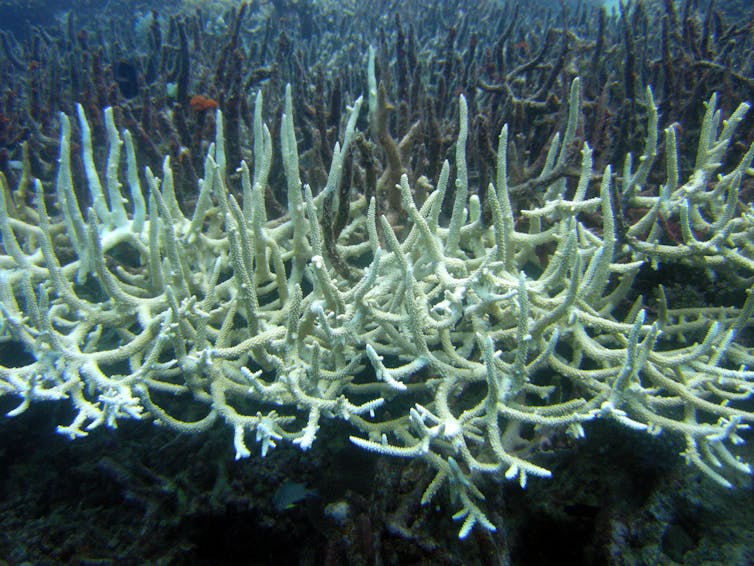
the rise in marine heatwaves is harming ocean species Marine heatwaves in tropical regions have caused widespread coral bleaching.

Humans also depend on these species, either directly or indirectly, because they underpin a wealth of ecological goods and services. For example, many marine ecosystems support commercial and recreational fisheries, contribute to carbon storage and nutrient cycling, offer venues for tourism and recreation, or are culturally or scientifically significant.

Read more: Australia's 'other' reef is worth more than $10 billion a year - but have you heard of it?

.

Marine heatwaves have had negative impacts on virtually all these “ecosystem services”. For example, seagrass meadows in the Mediterranean Sea, which store significant amounts of carbon, are harmed by extreme temperatures recorded during marine heatwaves. In the summers of both 2003 and 2006, marine heatwaves led to widespread seagrass deaths.

Read more: Seagrass, protector of shipwrecks and buried treasure

The marine heatwaves off the west coast of Australia in 2011 and northeast America in 2012 led to dramatic changes in the regionally important abalone and lobster fisheries, respectively. Several marine heatwaves associated with El Niño events caused widespread coral bleaching with consequences for biodiversity, fisheries, coastal erosion and tourism.
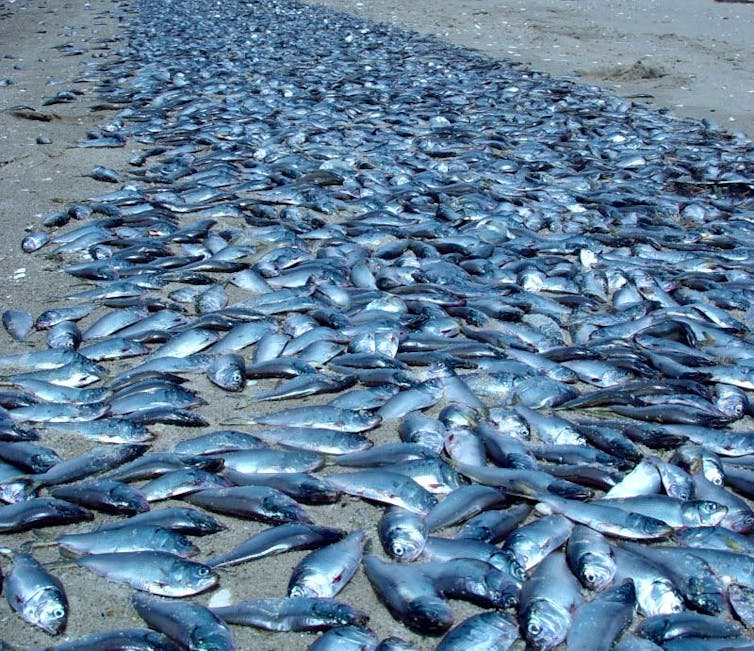
the rise in marine heatwaves is harming ocean species Mass die-offs of finfish and shellfish have been recorded during marine heatwaves, with major consequences for regional fishing industries.

All evidence suggests that marine heatwaves are linked to human mediated climate change and will continue to intensify with ongoing global warming. The impacts can only be minimised by combining rapid, meaningful reductions in greenhouse emissions with a more adaptable and pragmatic approach to the management of marine ecosystems.

Authors: Dan Smale, Research Fellow in Marine Ecology, Marine Biological Association

Read more http://theconversation.com/suffering-in-the-heat-the-rise-in-marine-heatwaves-is-harming-ocean-species-112839

What Are the Benefits of Renovating an Older Home in Sydney?

Sydney has plenty of character homes, from Federation cottages to mid-century brick homes. Renovating rather than rebuilding can preserve what makes t...

Pool and Deck Design: How to Plan the Perfect Outdoor Living Space for Your Sydney Home

For many Australians, the backyard is where life happens. Summer barbecues, weekend swims and long evenings outdoors are all part of the lifestyle, ...

Is Solar Pool Heating Worth It? What Sydney Homeowners Should Know

There's nothing quite like a backyard pool on a hot Sydney day. But once autumn rolls in, many pools sit unused for months because the water is simp...

Planning a Luxury House Move: A Week-by-Week Timeline for Prestige Sydney Homes

Selling or buying a prestige home is a major milestone. Whether it's a waterfront residence in Birchgrove, a grand Federation home in Haberfield or ...

Downsizing or Upgrading Your Caravan? Here's How to Sell It Without the Hassle

Selling a caravan can feel like a major task, especially when you are unsure about its value, paperwork, or how to find a buyer. Whether you are dow...

The Best Overseas Adventure Holidays for Australians Who Love the Outdoors

Australia offers no shortage of incredible outdoor experiences, but sometimes the best way to satisfy your sense of adventure is to head overseas. A...

Cape Town Wine Shuttle: Winelands Tasting & Tours

Embark on an unforgettable journey through the picturesque Cape Winelands, where world-class wines and breathtaking scenery await. Our Cape Town Win...

Metal Fabrication: Choosing Metal Fabrication Melbourne Services for Custom Projects

What Modern Metal Fabrication Involves From individual components to complete structures, metal fabrication brings together processes such as desig...

Why Giant Rats Tail Grass Keeps Coming Back After Spraying

Giant Rats Tail Grass (GRT) is one of the most frustrating pasture weeds for farmers and lifestyle property owners. You spray an infested area, see th...

When Custom Cardboard Boxes Make Sense for Your Business

Custom cardboard boxes can be useful when a standard carton does not fit a product, packing method or presentation requirement particularly well. A ...

Full-Height vs. Pop-Top Caravan: Which Is Better for Family Travel across WA?

A pop-top caravan is an excellent choice for travellers who want the comfort of a caravan without committing to a larger, bulkier setup. With a lowe...

Bottle Label Printing: Key Factors for a Professional Finish

Why the Printing Method Matters When businesses need packaging or printed containers developed for a particular application, the right supplier can m...

Virtual Livestock Fencing and GPS Tracking: Improving Visibility Across Cattle Properties

What Virtual Livestock Fencing Means for Modern Cattle Management Managing cattle across extensive properties requires more than knowing where anim...

Sydney Pawnbrokers Explained: How Hocking Your Car Actually Works

Sometimes you need cash, and you need it soon. If you own a car, you may already have a way to get it. That's what people mean when they say they've...

Moving Interstate from the Gold Coast to Brisbane (or Back)? What Removalists Wish You Knew First

Have you talked to anyone who’s done the move? They say the same thing: the drive up the M1 is the easy part. It's everything around it that catches...

Why the Spring School Holidays Are a Great Time to Visit Coffs Harbour

The spring school holidays are a good time to spend a few days on the Coffs Coast. The weather is starting to warm up, there is plenty to do outdoor...

What to Do When an Older Car Is No Longer Worth Keeping in Melbourne

Ever looked at another repair quote and wondered whether your old car is still worth the trouble? It is a common turning point for Melbourne motoris...

Your Baby's First Year: A Local Guide to Feeding, Sleep, and When to Get Extra Support

Ask ten parents in a Brisbane mothers' group how their baby is feeding or sleeping, and expect ten different answers.  Someone's baby sleeps throug...
















