
Modern Australian
The Times

Coral bleaching is not only heartbreaking, it’s also bad economics

  • Written by Laurence McCook, Adjunct Professorial Research Fellow, Partner Investigator, ARC Centre of Excellence for Coral Reef Studies, James Cook University

The latest official update on the health of the Great Barrier Reef is heartbreaking.

Released on Friday, the fourth five-yearly Outlook Report prepared by the Great Barrier Reef Marine Park Authority says the window of opportunity to secure a positive future for the Reef is “closing rapidly”.

While the overall condition of coral reef habitats had improved from “very poor” to “poor” in the five years to December 2023, the return of mass coral bleaching in early 2024 after the reporting period and the future global temperature increases already locked in made further degradation “inevitable”.

The report talks of “difficult choices and trade-offs”, but we argue that investing in reef protection is in fact excellent economics.

Great Barrier Reef Marine Park Authority Rather than just thinking about the economic cost of measures to support the Reef, we ought to be also thinking about the economic benefits of those measures, which are almost certainly larger. This makes supporting the Reef a win-win. A 2017 Deloitte Access Economics study put the annual value added to the economy from the Reef at A$6.4 billion. Nearly 90% of that benefit ($5.7 billion) came from one industry – tourism (pre-covid). Smaller economic benefits came from fishing ($162 million), recreation ($346 million) and scientific research ($182 million). But these are only four of about 20 categories of so-called marine ecosystem services linked to marine ecosystems, among them coastal protection, climate regulation, pollution removal, oxygen production and cultural significance. More than a tourist attraction The Reef is the largest living structure on Earth. Spanning 2,300 kilometres and covering an area larger than New Zealand, it is home to hundreds of thousands of marine and coral species and one of the most complex ecosystems in the world. Important in a different way, but not well understood, is its role in providing critical physical protection to coastal cities and towns from increasingly frequent and severe tropical cyclones and storms. When corals die from bleaching, however, the degraded reefs can be about 50 centimetres deeper than healthy reefs, reducing the protection for low-lying infrastructure. Worth $21 billion to $56 billion plus Estimates of the value of the reef as an asset to the country range from A$21 billion to as much as $56 billion. These estimates typically include the value of the reef to Australians who never visit it, as determined by a method known as contingent valuation. In this type of valuation, people are asked how much they would be willing to pay to protect something. In the case of the reef, it would typically exclude the direct value of it to ecosystem services. Even at the lower $21 billion value, the Jacobs economics advisory group calculates that an appropriate amount to spend protecting the economic value of the reef (using the same formulas to assess what’s needed to protect other infrastructure) comes to about $830 million per year. Clearly, using the higher $56 billion valuation would justify a significantly greater investment in protection. Read more: 'Humanity is failing': official report warns our chance to save the Great Barrier Reef is fast closing While the government talks of spending billions on the reef, most of the spending announcements are for sums delivered over long time frames. The above economic evidence suggests that spending more would deliver a net benefit to the economy, as well as enormous environmental and heritage benefits. How much more? Although most Australians believe the reef to be priceless, even incomplete estimates confirm its economic value is very high. If we’re going to make choices and trade-offs, we need to at least understand the full costs of missing that closing window, of failing to secure a positive future for the Reef. Looking after the Reef and addressing climate change should not be seen as costs but as investments, win-win investments for nature and the economy. Authors: Laurence McCook, Adjunct Professorial Research Fellow, Partner Investigator, ARC Centre of Excellence for Coral Reef Studies, James Cook University

Read more https://theconversation.com/coral-bleaching-is-not-only-heartbreaking-its-also-bad-economics-237468

Why Regular Skills Updates Are Essential for Licensed Security Officers

A guard at a Brisbane shopping centre gets a call about a shoplifter who's turned aggressive.  They’ve done the job for six years. But their de-...

10 Benefits of Choosing Professional Tutoring Penrith Services

Every student has unique learning strengths, challenges, and academic goals. While classroom teaching provides essential knowledge and structure, so...

Sunshine Coast Baby Classes Prove Big Hit Among First-Time Mums

There's a movement gaining traction on the Sunshine Coast, providing a village of support, socialisation and relief for first-time mothers and babie...

Father's Day Gift Ideas for Men Who Are Hard to Buy For

Some dads are easy to buy for. Others do not want anything, already have everything, or give you the classic "don't worry about me" answer every yea...

Top 5 Mistakes That Wear Out Your Brakes Faster

Brakes don't need frequent replacements like oil changes do.   But a lot of the wear happens quietly, over months, because of habits most drivers...

Plantation Shutters vs Curtains: Which Is Better for Your New Home?

Moving into a new home is an exciting opportunity to personalise your space and make it your own. While many homeowners focus on furniture, flooring...

Celebration of Life vs Traditional Funeral: What's the Difference?

When saying goodbye to someone you love, there is no single way to honour their life. Every family has different traditions, beliefs, and preference...

Building Approval for Roofing Projects: What Homeowners Need to Know

Roofing projects are an important part of maintaining and protecting your home. Whether you're repairing storm damage, replacing an ageing roof, or ...

Chatswood Tutoring And Its Role In Academic Achievement

Academic success often requires more than classroom attendance alone. Students face increasing expectations as they progress through school, particu...

Why Laser Hair Removal Treatments Continue Growing In Popularity

Managing unwanted hair can become time-consuming and frustrating for many people, especially when shaving, waxing, and other temporary methods requi...

Choosing the Right Devices for a Flexible Workplace

For IT leaders managing large fleets, the device layer is where workforce productivity and security policy meet. The shift towards flexible and hybrid...

How Business Advisory Services Help Companies Achieve Sustainable Growth

Every business owner aims to build a profitable and sustainable organisation. While dedication, innovation, and hard work are important, achieving l...

Why Body Contouring Has Become A Popular Cosmetic Treatment

Many people maintain healthy lifestyles through regular exercise and balanced eating habits but still struggle with stubborn areas of fat that are d...

How to Choose the Right POS Hardware for Your Business in Australia

A lot of Australian business owners spend weeks researching POS software but buy hardware almost as an afterthought. That's a mistake. The wrong har...
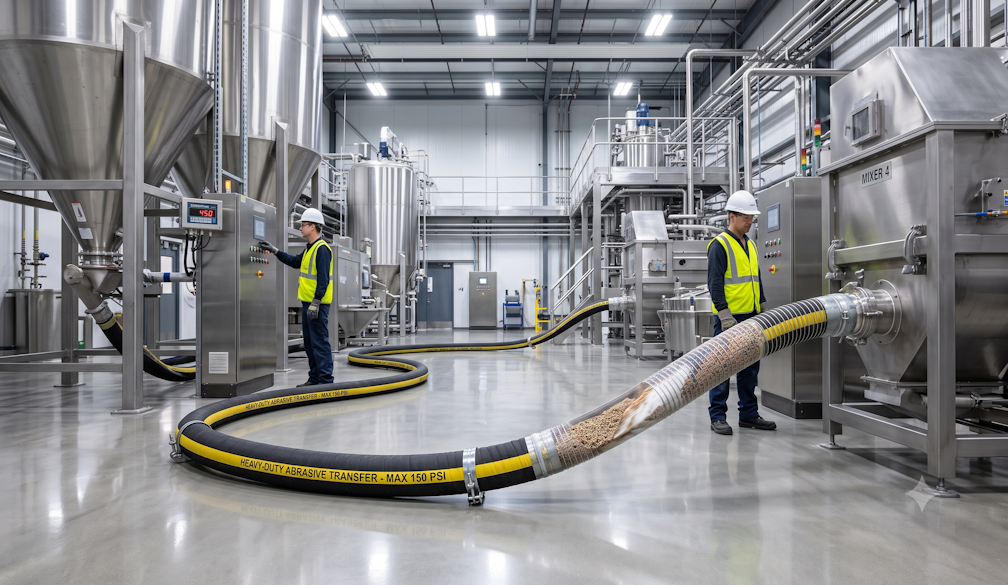
Why Material Handling Hose Is Critical for Industrial Efficiency

A high-performance material handling hose is an essential component in industries that transport abrasive, dry, or bulk materials on a daily basis...

How to Choose the Right Lawyer in Melbourne for Your Situation

Choosing legal support can feel difficult, especially when the stakes are personal or business-related. The right lawyer in Melbourne should underst...

Hoteliers Look to Clever Value Adds to Increase Revenue

The Australian hospitality industry is still in recovery mode after a notoriously rough patch in recent years. While there has been a post-COVID tra...

Moving to Queensland? Here’s How to Prep Your Car for the Big Move North

There’s no sign of the northern migration slowing down, with thousands of southerners fleeing from chaotic lifestyles and cooler climates for a brig...

