Modern Australian
The Times

Without sanctions, making companies disclose their environmental and social impacts has limited effect

  • Written by Charl de Villiers, Professor of Accounting, University of Auckland, Waipapa Taumata Rau

As of last year, New Zealand’s largest companies and financial institutions have been required to disclose their climate-related risks and opportunities in their annual reports and regulatory filings.

This follows a global trend for businesses to be more upfront about their social and environmental impact. Companies are increasingly expected to provide safe and environmentally friendly products, and ensure all their activities are socially and environmentally responsible.

But does requiring businesses to report these things actually push them to make better decisions around climate and sustainability? While it is too early to tell from the New Zealand experience, a decade of data from Europe offers a better insight.

Our new research examining the effect of the European Union’s sustainability reporting regulation (Directive 2014/95/EU) on business performance suggests reporting is not always enough.

If New Zealand (and other countries) want businesses to take their impact on the climate seriously, our research suggests reporting requirements need to include sanctions for companies that fail to achieve basic environmental standards.

Regulating disclosure

Disclosure requirements related to social and environmental issues have two main objectives.

The first is to provide investors with the information they need to decide where to invest. The second is to enable the rest of society to understand the social and environmental impacts of business on everyone’s lives.

In discussing these issues, terms such as ESG (environment, social and governance), sustainability, triple bottom line, and integrated reporting, are often used interchangeably.

While this can be confusing, they all really just refer to anything that relates to the natural environment or society.

Businesswomen use a digital tablet to analyse ESG design
Since 2014, the European Union has had a directive requiring businesses to disclose their social and environmental performance. Virojt Changyencham/Getty Images

Several studies have shown investors find social and environmental disclosures useful for their decision making. In research published last year, we found investors were prepared to pay for additional environmental disclosures.

But whether these reporting requirements improve companies’ social and environmental performance is, perhaps, the more important question.

The EU directive our study examined requires large companies to report their performance on non-financial matters, including environmental issues, social and employee matters, human rights, anti-corruption and bribery.

We looked at the social and environmental performance of companies between 2009 and 2020 using information contained in ESG databases.

The 358 European companies included in our sample didn’t meaningfully improve after the directive. Nor did they improve when compared to the 470 companies in the United States in our sample.

This was a surprise, considering Europe is often perceived as placing a greater emphasis on social responsibility, while business in the US is associated with a strong investor focus.

An ineffective directive?

It is possible the EU directive did not have a major impact on social and environmental outcomes due to the absence of meaningful sanctions for companies that didn’t comply.

EU directives usually leave detailed implementation up to each country,. In this case, few countries have significant sanctions. Prior research has shown that a lack of meaningful sanctions often results in poor outcomes.

According to the data, the social and environmental performances of both the European and US companies are steadily improving – just not as a direct response to the EU’s reporting requirements.

That said, the sum total of legislation enacted both in Europe and the US is probably still improving companies’ environmental and social impact. And this must be something to applaud.

Sustainability reporting requirements, along with meaningful sanctions for companies that do not comply, can play a role in ensuring our economic system works for everyone.

Authors: Charl de Villiers, Professor of Accounting, University of Auckland, Waipapa Taumata Rau

Read more https://theconversation.com/without-sanctions-making-companies-disclose-their-environmental-and-social-impacts-has-limited-effect-237656

Celebration of Life vs Traditional Funeral: What's the Difference?

When saying goodbye to someone you love, there is no single way to honour their life. Every family has different traditions, beliefs, and preference...

Building Approval for Roofing Projects: What Homeowners Need to Know

Roofing projects are an important part of maintaining and protecting your home. Whether you're repairing storm damage, replacing an ageing roof, or ...

Chatswood Tutoring And Its Role In Academic Achievement

Academic success often requires more than classroom attendance alone. Students face increasing expectations as they progress through school, particu...

Why Laser Hair Removal Treatments Continue Growing In Popularity

Managing unwanted hair can become time-consuming and frustrating for many people, especially when shaving, waxing, and other temporary methods requi...

Choosing the Right Devices for a Flexible Workplace

For IT leaders managing large fleets, the device layer is where workforce productivity and security policy meet. The shift towards flexible and hybrid...

How Business Advisory Services Help Companies Achieve Sustainable Growth

Every business owner aims to build a profitable and sustainable organisation. While dedication, innovation, and hard work are important, achieving l...

Why Body Contouring Has Become A Popular Cosmetic Treatment

Many people maintain healthy lifestyles through regular exercise and balanced eating habits but still struggle with stubborn areas of fat that are d...

How to Choose the Right POS Hardware for Your Business in Australia

A lot of Australian business owners spend weeks researching POS software but buy hardware almost as an afterthought. That's a mistake. The wrong har...

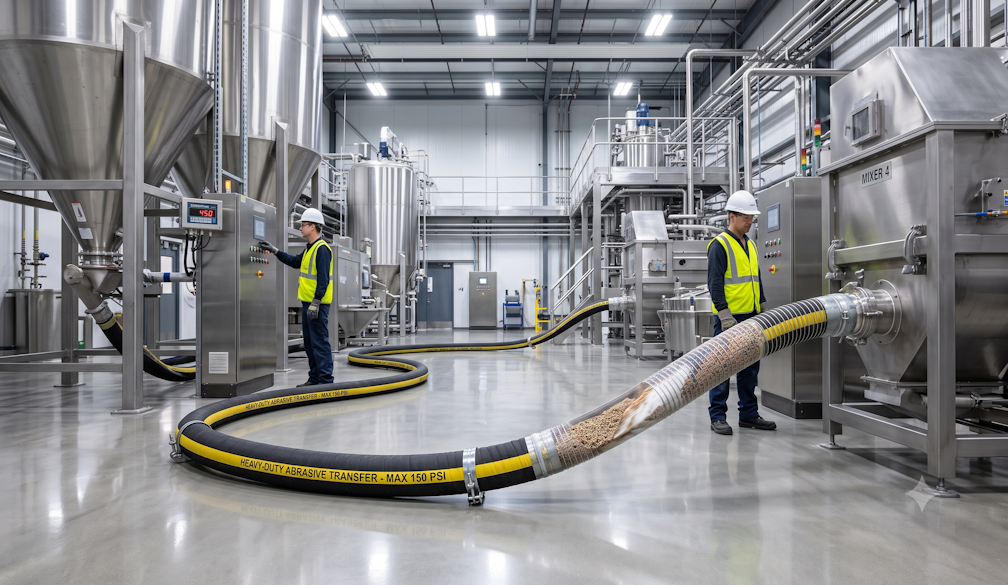
Why Material Handling Hose Is Critical for Industrial Efficiency

A high-performance material handling hose is an essential component in industries that transport abrasive, dry, or bulk materials on a daily basis...

How to Choose the Right Lawyer in Melbourne for Your Situation

Choosing legal support can feel difficult, especially when the stakes are personal or business-related. The right lawyer in Melbourne should underst...

Hoteliers Look to Clever Value Adds to Increase Revenue

The Australian hospitality industry is still in recovery mode after a notoriously rough patch in recent years. While there has been a post-COVID tra...

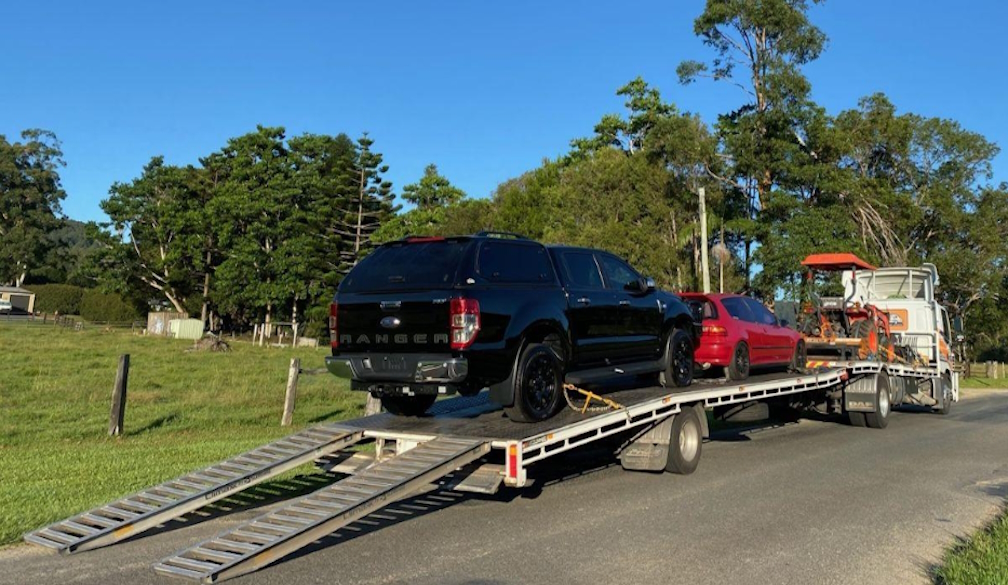
Moving to Queensland? Here’s How to Prep Your Car for the Big Move North

There’s no sign of the northern migration slowing down, with thousands of southerners fleeing from chaotic lifestyles and cooler climates for a brig...

Diesel Shortage to Impact Trades and Contractors

Strait of Hormuz blockage affecting all major parts of trades and construction Trades and construction across residential, commercial and industria...

Why Holiday Home Owners Turn to Rental Management Agents

The Allure — and the Reality — of Renting Out Your Property Owning a holiday home is a dream for many Australians. Whether it's a beachside sha...

Why Finding Reliable Doctors In Bundoora Is Important For Long-Term Health

Access to quality healthcare plays an important role in maintaining overall wellbeing and managing health concerns early. Trusted Doctors in Bundoor...

Understanding the Different Types of Car Services: Minor vs Major

When it comes to car maintenance, one of the most important things every vehicle owner should understand is the difference between a minor and a maj...

How Superannuation and TPD Insurance Work Together

Superannuation is an essential part of financial planning in Australia. It is designed to provide individuals with income during retirement, helping...

Tiny Towns funding granted for Mt Hotham and Mt Buller upgrades

Alpine Resorts Victoria (ARV) has welcomed funding support from the Victorian Government’s  Tiny Towns Fund, with both Mt Hotham and Mt Buller se...