

We subscribe to movies and music, why not transport?
- Written by: Benjamin Kaufman, PhD Scholar in Transport, Griffith University
Many mainstays in our lives – phones, personal music libraries and movies – began as pay-as-you-go services. But subscription services are starting to rule, from iTunes shifting to Apple Music, and “all-you-can-watch” subscriptions to the Netflix catalogue.
It should be no surprise subscription services have been growing fast, with an estimated market share of US$420 billion in the US in 2015. And growth rates are increasing, with predicted revenue increases of 22% across the market in 2019.
Read more: Uber in the air: flying taxi trials may lead to passenger service by 2023
It’s time transport became the next home for subscription services. This shift may have already begun with subscriber-based e-scooters in Brisbane and global growth in Mobility as a Service (MaaS), which connects multiple modes of transport under one app.
It won’t be long before many cities find life without a car even easier, and possibly even cheaper.
Is transport ready for subscriptions?
Few people realise they already have a version of transport subscription. Car drivers pay annual fees for registration, insurance and financing. Sure, they pay for fuel, but they might be encouraged to drive less often if they had to weigh the cost of each car trip in terms of fees.
Other than toll roads, Australia has no road or congestion-pricing – a surcharge for drivers who use roads at busy times. So this high “subscription” cost of car ownership encourages more driving to reduce per-kilometre costs.
Public transport, on the other hand, is usually pay-as-you-go in Australia – periodical tickets have been removed in some states, with the introduction of contactless cards.
Read more: Driverless cars: once they're on the road, human drivers should be banned
The costs of each trip are consciously calculated and there is little reward for a transit user’s loyalty to an operator. In fact, more travel leads to greater costs, and therefore discourages riders from using the service. It’s hard to imagine bingeing an entire season on Netflix if you have to pay for each episode.
Subscription to transport services would encourage use and promote riders to commit to more sustainable options.
Weekly or monthly ticketing is a start, and bundling more modes, for instance ride-sharing or bike-hire, would not be difficult to imagine.
Brisbane’s e-scooter scene sees transport moving to subscription services
Brisbane has been at the forefront of recent transport revolutions, hosting the largest and most successful e-scooter sharing trial in Australia. And soon, the city’s e-scooter scene will become a natural experiment in whether subscription services can outcompete pay-as-you-go services.
Last year, Lime Scooters launched more than 700 dockless electric scooters on the city’s streets on a pay-as-you-go basis.
Read more: Limes not lemons: lessons from Australia’s first e-scooter sharing trial
During the trial, Lime was extremely profitable, with Brisbane being one of fastest cities in the world to reach 1 million rides in less than six months of deployment. But they now face stiff competition.
Brisbane City Council decided to create an e-scooter duopoly to foster competition, leading the company Neuron to join Lime in providing e-scooter services in the city. We expect Neuron to launch in Brisbane in the coming month or two.
 Pay-as-you-go e-scooter company, Lime, is facing stiff competition from the subscriber-based e-scooter company, Neuron, in Brisbane. Which model will win?
Juan Carlos Cardenas/EPA
Pay-as-you-go e-scooter company, Lime, is facing stiff competition from the subscriber-based e-scooter company, Neuron, in Brisbane. Which model will win?
Juan Carlos Cardenas/EPA
These two companies have important differences in operational and pricing models.
Lime offers traditional pay-as-you-go scooter hiring. This worked well when Lime was the only choice in town. But Neuron is breaking new ground by offering weekly and monthly subscriptions in addition to per-trip payment options.
As Lime already has an established customer base, they should start strongly. Time will tell if Neuron’s subscription model will win out and if consumers are loyal enough to pay an up-front fee to gain greater access to scooters.
The subscription model of ‘Mobility-as-a-Service’ is being embraced globally
Neuron’s subscription model signals a greater change in how we might pay for transport services in future.
Australian transport authorities, like those abroad, are almost all working feverishly on opportunities to provide Mobility as a Service (MaaS). This means they’re creating a single-platform journey planner and ticket purchasing marketplace for customers who use many different modes of transport.
Read more: For Mobility as a Service (MaaS) to solve our transport woes, some things need to change
The aim is to provide seamless connections between transport modes for a single journey, giving each user tailored routes and transport options (whether ride-hailing, an e-scooter, a council-bus or a ferry, in whatever combination) for their journey.
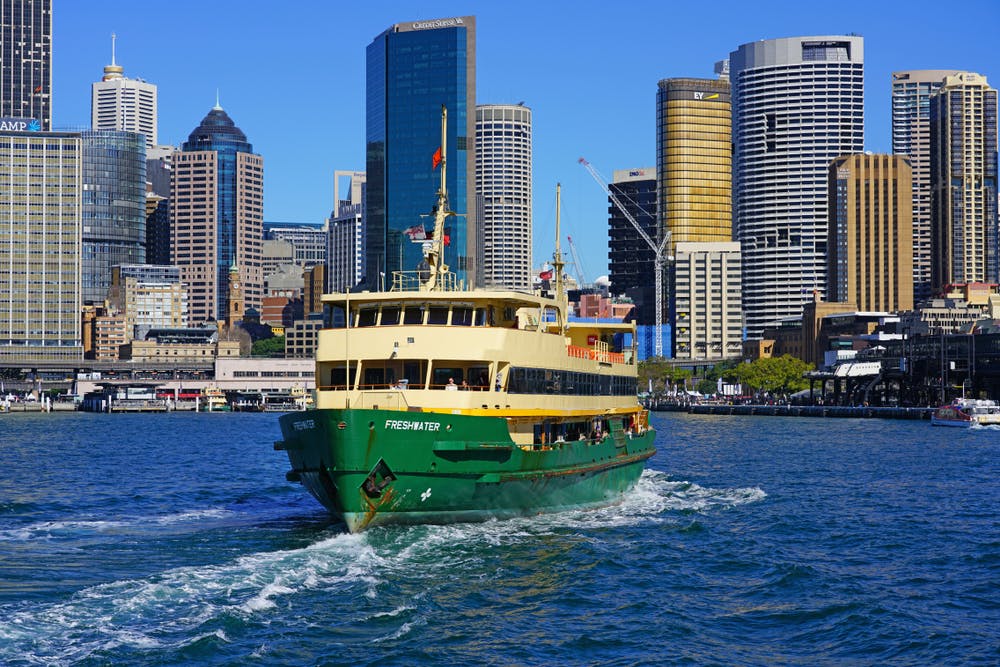 Australia should adopt a MaaS model, paying for all kinds of transport services with one subscription.
Shutterstock
Australia should adopt a MaaS model, paying for all kinds of transport services with one subscription.
Shutterstock
MaaS will house these options under one roof. Easy payments on one app are a start. Subscriptions will then “lock-in” users to a grab-bag of these services. For instance, offering all your public transport in certain zones, plus a month’s worth of short e-scooter rides, a set number of bike-share trips and ride-hailing kilometres.
The hope is this will make alternatives to private car use irresistible.
A Helsinki start-up, Whim, is already doing this by providing subscription services to public transport, city bikes, taxis and rental cars. Grab, in Southeast Asia, innovated a new payment ecosystem offering both ride-hailing and deliveries (like combining Uber and UberEats). This is just the beginning.
For Australians, MaaS may still be on the distant horizon, but subscription scooter services may be a sign of how we will soon approach mobility.
Authors: Benjamin Kaufman, PhD Scholar in Transport, Griffith University
Read more http://theconversation.com/we-subscribe-to-movies-and-music-why-not-transport-119538


















