The National Breastfeeding Strategy is a start, but if we really valued breast milk we'd put it in the GDP
- Written by: Julie Smith, Honorary Associate Professor, Australian National University
 COAG Health Council. August 2, 2019
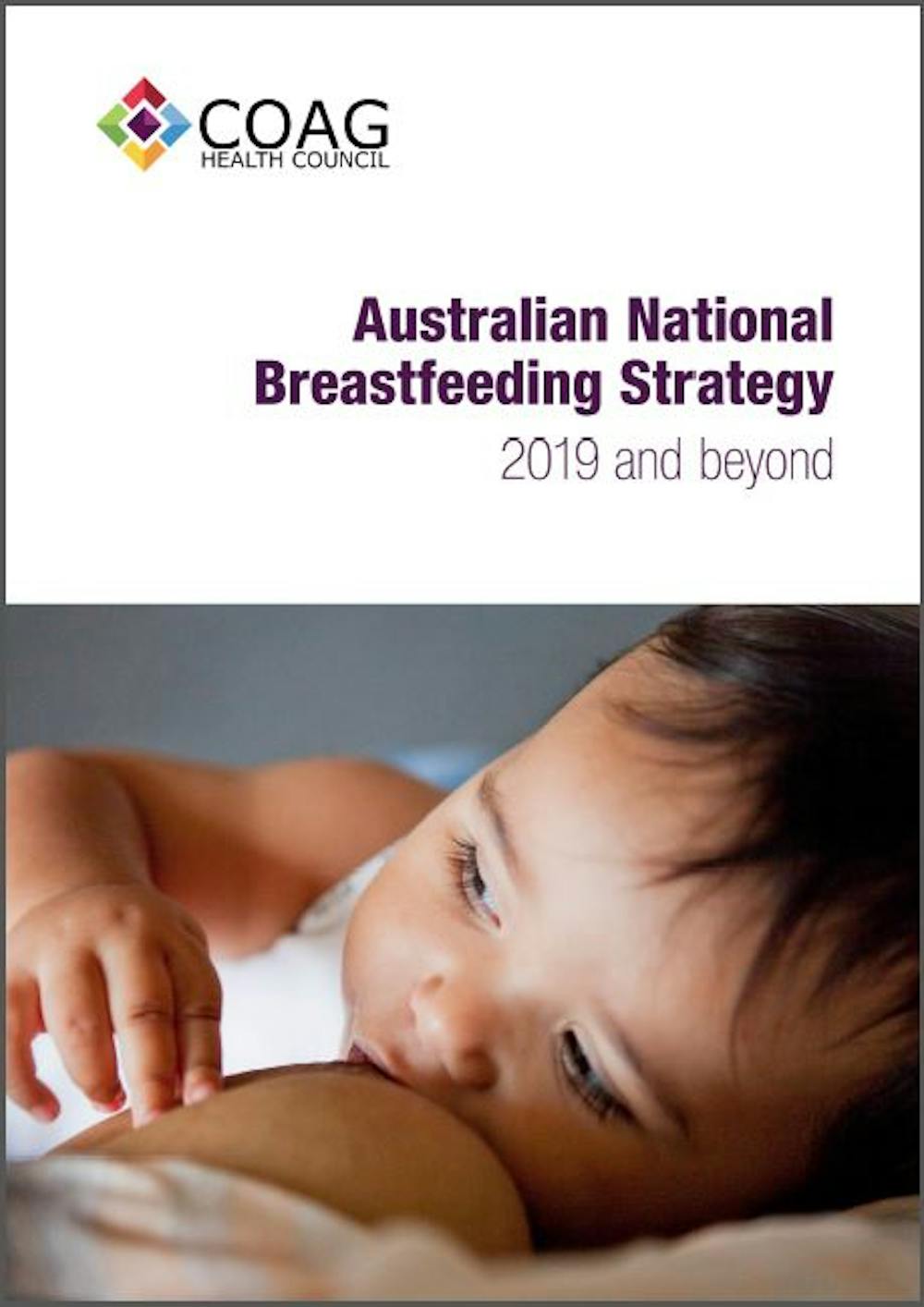
Australia’s new National Breastfeeding Strategy sets ambitious goals. By 2022 it wants 40% of Australian babies to exclusively breastfeed until they are six months old. At present it’s 25%.
By 2025 it wants 50%.
Beyond that it wants non-exclusive breastfeeding up until at least 12 months of age, and beyond that for as long as both mother and child want.
It notes that what’s important is the first 1000 days (from conception to the end of the child’s second year).
It quotes with approval a finding that human breast milk is
not only a perfectly adapted nutritional supply for the infant, but probably the most specific personalised medicine that he or she is likely to receive, given at a time when gene expression is being fine-tuned for life
The goals are welcome. But one of the reasons we need them is because we don’t properly value what is just about our most valuable nutritional resource. Statistically, breast milk is almost invisible.
If it’s not counted…
That’s partly because a lot of what women produce isn’t counted.
My estimates, based on the price of the human milk that is traded, suggest that the 44 million litres produced per year in Australia is worth A$3 billion.
By comparison, the commercial formula sold in stores is a few hundred million dollars per year.
The number of diseases breast milk prevents in both mothers and children and its personalised nature (delivering what’s needed when it is needed) means it is probably worth more than A$3 billion.
…we act as if it doesn’t count
Ever since the global financial crisis, we’ve been trying to boost GDP (gross domestic product) in order to ensure we don’t have a recession.
But because GDP excludes some of what’s most valuable (breast milk and the home production of services such as childcare) and includes alternatives that are at best unimportant and at worst damaging (such as formula milk) boosting GDP can hit the wrong targets.
An OECD study finds that as we have switched away from using services that are not measured towards using those that are our estimates of true economic growth have become inflated.
That’s why two Nobel Prize winners, economists Joseph Stiglitz and Amartya Sen, agree on including human milk in conventionally-defined GDP. They say its exclusion distorts priorities.
What if the uncounted shrinks?
The latest data from Victoria and NSW suggests rates of full breastfeeding are shrinking. While more mothers are deciding to give breastfeeding a go, more infants are leaving hospital having consumed formula.
Time is probably a factor. Breastfeeding takes time, and women bear the cost of that time unless compensated by paid maternity leave and lactation breaks. Longer leave makes for more milk.
Lack of skilled and knowledgeable support from health workers is a probably another factor, especially when combined with inappropriate promotion of commercial formula to health workers. Although more professional bodies are refusing industry sponsorship, health workers remain an important channel for formula marketing.
Future GDP suffers
A new study by World Bank economist Dylan Walters and colleagues finds that the economic costs of not breastfeeding globally amounts to US$1 billion a day.
They are not only the treatment costs for infectious illness, but also the costs of higher rates of maternal diabetes and breast cancer as well as the costs of higher childhood obesity and chronic disease, and the lifelong economic consequences of cognitive losses in children who were not sufficiently breastfed.
A 2016 study in The Lancet estimates the global cost of the cognitive loss associated with not breastfeeding at US$302 billion per year in lost labour productivity; about 0·49% of world gross national income. For Australia, it is around A$6 billion per year.
Later life maternal breast-cancer is also a major economic cost, mostly concentrated in high income countries with low breastfeeding rates such as Australia.
Read more:
Breastfeeding isn't just about the baby – women's bodies matter too
Importantly, these estimates are likely to understate the costs of low breastfeeding by ignoring the cost of the unpaid time women spend caring for sick children.
The World Bank as well as the World Health Organization are leading a call for increased investments in all countries to raise the proportion of children exclusively breastfed in the first six months of life from 37% to at least 50%.
We shouldn’t blame mothers
Australia’s new strategy reflects an important shift.
It responds to evidence suggesting that that breastfeeding practices are strongly influenced by commercial factors such as marketing, as well as by the employment and financial and healthcare environment mothers find themselves in. An international review has found that these findings are relevant to Australia.
It makes a strong case for funding for breastfeeding information and education, especially in communities where breastfeeding is at risk.
It could have also made a strong case for more wide ranging financial support of breast milk production, along the lines of Australia’s historical support of dairy farmers.
Or for including breast milk in GDP. The home production of other food products is included in GDP, including the cows milk produced and consumed on farms. Leaving out breast milk distorts goals and helps distort incentives.
Its time that making mothers’ milk counted, and governments invested.
Read more:
Breast milk banking continues an ancient human tradition and can save lives
COAG Health Council. August 2, 2019
Australia’s new National Breastfeeding Strategy sets ambitious goals. By 2022 it wants 40% of Australian babies to exclusively breastfeed until they are six months old. At present it’s 25%.
By 2025 it wants 50%.
Beyond that it wants non-exclusive breastfeeding up until at least 12 months of age, and beyond that for as long as both mother and child want.
It notes that what’s important is the first 1000 days (from conception to the end of the child’s second year).
It quotes with approval a finding that human breast milk is
not only a perfectly adapted nutritional supply for the infant, but probably the most specific personalised medicine that he or she is likely to receive, given at a time when gene expression is being fine-tuned for life
The goals are welcome. But one of the reasons we need them is because we don’t properly value what is just about our most valuable nutritional resource. Statistically, breast milk is almost invisible.
If it’s not counted…
That’s partly because a lot of what women produce isn’t counted.
My estimates, based on the price of the human milk that is traded, suggest that the 44 million litres produced per year in Australia is worth A$3 billion.
By comparison, the commercial formula sold in stores is a few hundred million dollars per year.
The number of diseases breast milk prevents in both mothers and children and its personalised nature (delivering what’s needed when it is needed) means it is probably worth more than A$3 billion.
…we act as if it doesn’t count
Ever since the global financial crisis, we’ve been trying to boost GDP (gross domestic product) in order to ensure we don’t have a recession.
But because GDP excludes some of what’s most valuable (breast milk and the home production of services such as childcare) and includes alternatives that are at best unimportant and at worst damaging (such as formula milk) boosting GDP can hit the wrong targets.
An OECD study finds that as we have switched away from using services that are not measured towards using those that are our estimates of true economic growth have become inflated.
That’s why two Nobel Prize winners, economists Joseph Stiglitz and Amartya Sen, agree on including human milk in conventionally-defined GDP. They say its exclusion distorts priorities.
What if the uncounted shrinks?
The latest data from Victoria and NSW suggests rates of full breastfeeding are shrinking. While more mothers are deciding to give breastfeeding a go, more infants are leaving hospital having consumed formula.
Time is probably a factor. Breastfeeding takes time, and women bear the cost of that time unless compensated by paid maternity leave and lactation breaks. Longer leave makes for more milk.
Lack of skilled and knowledgeable support from health workers is a probably another factor, especially when combined with inappropriate promotion of commercial formula to health workers. Although more professional bodies are refusing industry sponsorship, health workers remain an important channel for formula marketing.
Future GDP suffers
A new study by World Bank economist Dylan Walters and colleagues finds that the economic costs of not breastfeeding globally amounts to US$1 billion a day.
They are not only the treatment costs for infectious illness, but also the costs of higher rates of maternal diabetes and breast cancer as well as the costs of higher childhood obesity and chronic disease, and the lifelong economic consequences of cognitive losses in children who were not sufficiently breastfed.
A 2016 study in The Lancet estimates the global cost of the cognitive loss associated with not breastfeeding at US$302 billion per year in lost labour productivity; about 0·49% of world gross national income. For Australia, it is around A$6 billion per year.
Later life maternal breast-cancer is also a major economic cost, mostly concentrated in high income countries with low breastfeeding rates such as Australia.
Read more:
Breastfeeding isn't just about the baby – women's bodies matter too
Importantly, these estimates are likely to understate the costs of low breastfeeding by ignoring the cost of the unpaid time women spend caring for sick children.
The World Bank as well as the World Health Organization are leading a call for increased investments in all countries to raise the proportion of children exclusively breastfed in the first six months of life from 37% to at least 50%.
We shouldn’t blame mothers
Australia’s new strategy reflects an important shift.
It responds to evidence suggesting that that breastfeeding practices are strongly influenced by commercial factors such as marketing, as well as by the employment and financial and healthcare environment mothers find themselves in. An international review has found that these findings are relevant to Australia.
It makes a strong case for funding for breastfeeding information and education, especially in communities where breastfeeding is at risk.
It could have also made a strong case for more wide ranging financial support of breast milk production, along the lines of Australia’s historical support of dairy farmers.
Or for including breast milk in GDP. The home production of other food products is included in GDP, including the cows milk produced and consumed on farms. Leaving out breast milk distorts goals and helps distort incentives.
Its time that making mothers’ milk counted, and governments invested.
Read more:
Breast milk banking continues an ancient human tradition and can save lives
Authors: Julie Smith, Honorary Associate Professor, Australian National University