

this brain disorder is more common than multiple sclerosis – but often goes undiagnosed
- Written by: Benjamin Scrivener, PhD Candidate, Faculty of Medical and Health Sciences, University of Auckland, Waipapa Taumata Rau
Imagine suddenly losing the ability to move a limb, walk or speak. You would probably recognise this as a medical emergency and get to hospital.
Now imagine the doctors at the hospital run some tests and then say, “Good news! All your tests were normal, clear scans, and nothing is wrong. You can go home!” Yet, you are still experiencing very real and disabling symptoms.
Unfortunately, this is the experience of many people with functional neurological disorder. Even worse, some are blamed and reprimanded for exaggerating or faking their symptoms.
So, what is this disorder, and why is it so challenging to recognise and treat?
What is functional neurological disorder?
Neurological disorders are conditions that affect how the nervous system works. The nervous system sends and receives messages between the brain and other parts of your body to regulate a wide range of functions, such as movement, speaking, vision, thinking and digestion.
To the untrained eye, functional neurological disorder can resemble other conditions such as stroke, multiple sclerosis or epilepsy.
But, unlike these conditions, functional neurological symptoms aren’t due to damage or a disease process affecting the nervous system. This means the disorder doesn’t appear on routine brain imaging and other tests.
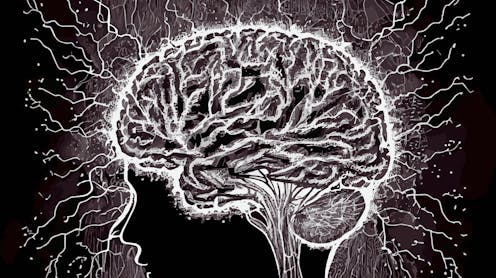
Functional symptoms are, instead, due to dysfunction in the processing of information between several brain networks. Simply put, it’s a problem of the brain’s software, not the hardware.
What are the symptoms?
Functional neurological disorder can produce a kaleidoscope of diverse and changing symptoms. This often adds to confusion for patients and make diagnosis more challenging.
Symptoms may include paralysis or abnormal movements such as tremors, jerks and tics. This often leads to difficulty walking or coordinating movements.
Sensory symptoms may involve numbness, tingling or loss of vision.
Dissociative symptoms, such as functional seizures and blackouts, are also common.
Some people experience cognitive symptoms including brain fog or problems finding the right words. Fatigue and chronic pain frequently coexist with these symptoms.
These symptoms can be severe and distressing and, without treatment, can persist for years. For example, some people with functional neurological disorder cannot walk and must use a wheelchair for decades.
Diagnosis involves identifying established diagnostic signs and ensuring no other diagnoses are missed. This process is best carried out by an experienced neurologist or neuropsychiatrist.
How common is it?
Functional neurological disorder is one of the most common medical conditions seen in emergency care and in outpatient neurology clinics.
It affects around 10–22 people per 100,000 per year. This makes it more common than multiple sclerosis.
Despite this, it is often under-recognised and misunderstood by health-care professionals. This leads to delays in diagnosis and treatment.
This lack of awareness also contributes to the perception that it’s rare, when it’s actually common among neurological disorders.
Who does functional neurological disorder affect?
This condition can affect anyone, although it is more common in women and younger people. Around two thirds of patients are female, but this gender disparity reduces with age.
Understanding of the disorder has developed significantly over the past few decades, but there’s still more to learn. Several biological, psychological, and social factors can predispose people.
Genetics, traumatic life experiences, anxiety and depression can increase the risk. Stressful life events, illness, or physical injuries can trigger or worsen existing symptoms.
But not everyone with the disorder has experienced significant trauma or stress.
How is it treated?
If left untreated, about half the people with this condition will remain the same or their symptoms will worsen. However, with the help of experienced clinicians, many people can make rapid recoveries when treatment starts early.
There are no specific medications for functional neurological disorder but personalised rehabilitation guided by experienced clinicians is recommended.
Some people may need a team of multidisciplinary clinicians that may include physiotherapists, occupational therapists, speech therapists, psychologists and doctors.
People also need accurate information about their condition, because understanding and beliefs about the disorder play an important role in recovery. Accurate information helps patients to develop more realistic expectations, reduces anxiety and can empower people to be more active in their recovery.
Treating common co-existing conditions, such as anxiety or depression, can also be helpful.
A dark history
The origins of the disorder are deeply rooted in the sexist history of its pre-scientific ancestor – hysteria. The legacy of hysteria has cast a long shadow, contributing to a misogynistic bias in perception and treatment. This historical context has led to ongoing stigma, where symptoms were often labelled as psychological and not warranting treatment.
Women with functional symptoms often face scepticism and dismissal. In some cases, significant harm occurs through stigmatisation, inadequate care and poor management. Modern medicine has attempted to address these biases by recognising functional neurological disorder as a legitimate condition.
A lack of education for medical professionals likely contributes to stigma. Many clinicians report low confidence and knowledge about their ability to manage the disorder.
A bright future?
Fortunately, awareness, research and interest has grown over the past decade. Many treatment approaches are being trialled, including specialist physiotherapy, psychological therapies and non-invasive brain stimulation.
Patient-led organisations and support networks are making headway advocating for improvements in health systems, research and education. The goal is to unite patients, their families, clinicians, and researchers to advance a new standard of care across the world.
Authors: Benjamin Scrivener, PhD Candidate, Faculty of Medical and Health Sciences, University of Auckland, Waipapa Taumata Rau

















