

Australia is set to get more AI data centres. Local communities need to be more involved
- Written by Bronwyn Cumbo, Transdisciplinary social researcher and lecturer, University of Technology Sydney
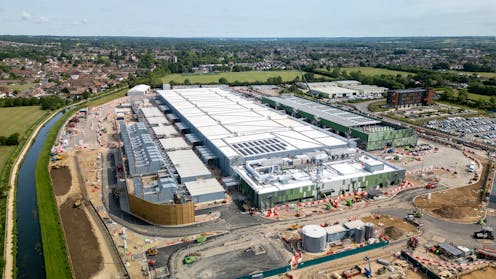
Data centres are the engines of the internet. These large, high-security facilities host racks of servers that store and process our digital data, 24 hours a day, seven days a week.
There are already more than 250 data centres across Australia. But there are set to be more, as the federal government’s plans for digital infrastructure expansion gains traction. We recently saw tech giant Amazon’s recent pledge to invest an additional A$20 billion in new data centres across Sydney and Melbourne, alongside the development of three solar farms in Victoria and Queensland to help power them.
The New South Wales government also recently launched a new authority to fast-track approvals for major infrastructure projects.
These developments will help cater to the surging demand for generative artificial intelligence (AI). They will also boost the national economy and increase Australia’s digital sovereignty – a global shift toward storing and managing data domestically under national laws.
But the everyday realities of communities living near these data centres aren’t as optimistic. And one key step toward mitigating these impacts is ensuring genuine community participation in shaping how Australia’s data-centre future is developed.
The sensory experience of data centres
Data centres are large, warehouse-like facilities. Their footprint typically ranges from 10,000 to 100,000 square metres. They are set on sites with backup generators and thousands of litres of stored diesel and enclosed by high-security fencing. Fluorescent lighting illuminates them every hour of the day.
A data centre can emanate temperatures of 35°C to 45°C. To prevent the servers from overheating, air conditioners are continuously humming. In water-cooled facilities, water pipes transport gigalitres of cool water through the data centre each day to absorb the heat produced.
Data centres can place substantial strain on the local energy grid and water supply.
In some places where many data centres have been built, such as Northern Virginia in the United States and Dublin in Ireland, communities have reported rising energy and water prices. They have also reported water shortages and the degradation of valued natural and historical sites.
They have also experienced economic impacts. While data centre construction generates high levels of employment, these facilities tend to employ a relatively small number of staff when they are operating.
These impacts have prompted some communities to push back against new data centre developments. Some communities have even filed lawsuits to halt proposed projects due to concerns about water security, environmental harm and heavy reliance on fossil fuels.
A unique opportunity
To date, communities in Australia have been buffered from the impacts of data centres. This is largely because Australia has outsourced most of its digital storage and processing needs (and associated impacts) to data centres overseas.
But this is now changing. As Australia rapidly expands its digital infrastructure, the question of who gets to shape its future becomes increasingly important.
To avoid amplifying the social inequities and environmental challenges of data centres, the tech industry and governments across Australia need to include the communities who will live alongside these crucial pieces of digital infrastructure.
This presents Australia with a unique opportunity to set the standard for creating a sustainable and inclusive digital future.
A path to authentic community participation
Current planning protocols for data centres limit community input. But there are three key steps data centre developers and governments can take to ensure individual developments – and the broader data centre industry – reflect the values, priorities and aspirations of local communities.
1. Developing critical awareness about data centres
People want a greater understanding of what data centres are, and how they will affect their everyday lives.
For example, what will data centres look, sound and feel like to live alongside? How will they affect access to drinking water during the next drought? Or water and energy prices during the peak of summer or winter?
Genuinely engaging with these questions is a crucial step toward empowering communities to take part in informed conversations about data centre developments in their neighbourhoods.
2. Involving communities early in the planning process
Data centres are often designed using generic templates, with minimal adaptation to local conditions or concerns. Yet each development site has a unique social and ecological context.
By involving communities early in the planning process, developers can access invaluable local knowledge about culturally significant sites, biodiversity corridors, water-sensitive areas and existing sustainability strategies that may be overlooked in state-level planning frameworks.
This kind of local insight can help tailor developments to reduce harm, enhance benefits, and ensure local priorities are not just heard, but built into the infrastructure itself.
3. Creating more inclusive visions of Australia’s data centre industry
Communities understand the importance of digital infrastructure and are generally supportive of equitable digital access. But they want to see the data centre industry grow in ways that acknowledges their everyday lives, values and priorities.
To create a more inclusive future, governments and industry can work with communities to broaden their “clean” visions of digital innovation and economic prosperity to include the “messy” realities, uncertainties and everyday aspirations of those living alongside data centre developments.
This approach will foster greater community trust and is essential for building more complex, human-centred visions of the tech industry’s future.
Authors: Bronwyn Cumbo, Transdisciplinary social researcher and lecturer, University of Technology Sydney

















