

First it was ‘protein goals’, now TikTok is on about ‘fibre goals’. How can you meet yours?
- Written by Saman Khalesi, Senior Lecturer and Head of Course Nutrition, HealthWise Research Group Lead, Appleton Institute,, CQUniversity Australia
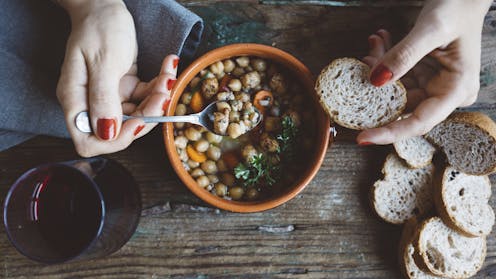
“Protein goals” have long been a thing on TikTok and Instagram. But now social media users are also talking about “fibre goals”. This reflects a positive broader shift toward overall health and wellbeing rather than a narrow focus on weight loss or muscle gain.
Foods high in fibre are among the healthiest we can eat. Not getting enough can lead to constipation, haemorrhoids and boost the risk of chronic diseases such as heart disease, type 2 diabetes, and bowel cancer.
So what’s the expert evidence say about “fibre goals” and how to hit them?
Different types of fibre
Dietary fibres are indigestible parts of plant foods. Unlike other carbohydrates that break down into sugar, these complex carbs pass through our digestive tract mostly unchanged.
There are two main types of dietary fibre:
Soluble fibres dissolve in water to form gel-like substances. You can find these in fruits such as apples and berries, vegetables such as sweet potatoes and carrots, as well a legumes and oats.
Soluble fibres can slow down digestion and help us feel fuller for longer. They support heart health, lower blood cholesterol and help regulate blood sugar levels.
Insoluble fibres don’t dissolve in water, but add bulk to food. You can get this type of fibre from wheat bran, fruits and vegetable skins, nuts and seeds, beans and whole grain foods.
Insoluble fibres add bulk to the stool and help regulate bowel movements and reduce constipation.
Resistant starch is also a type of complex carb that isn’t technically a fibre, but behaves like one; it resists digestion and feeds gut bacteria. These are found in legumes, cooked potato, and undercooked pasta.
Unlike many fibre supplements (which often only offer one type of fibre) most sources of fibre we eat contain both soluble and insoluble forms. For example, oats, apples and avocado have both.
Both soluble and insoluble fibre benefit our gut and overall health.
Both can be fermented by good gut bacteria, although soluble dietary fibres (and resistant starches) tend to ferment more readily.
Our gut bacteria rely on fermenting these fibres as a fuel to help digest foods, fight against pathogenic microbes such as germs and viruses, and improve physical and mental health.

What should my fibre goal should be?
Sadly, there’s no quick lab test to measure it.
A simple indicator is how well your digestion works. If you’re rarely constipated, you’re likely getting enough fibre.
The National Health and Medical Research Council recommends daily fibre intakes vary by age and gender.
But in general, adult men should have about 30 grams of fibre per day. Women should have about 25 grams.
There are many apps and websites to help you calculate your current fibre intake.
It’s hard to have too much dietary fibre; even eating 50g per day is not considered harmful.
How do I meet that goal without overthinking it?
Foods rich in fibre include:
- fruits
- vegetables
- nuts
- seeds
- legumes
- beans
- wholegrain or wholemeal breads and cereals.
Aim for variety in your diet, so you don’t get bored of the same foods.
The federal government’s Australian Dietary Guidelines suggest a daily intake of:
- two serves of medium-sized fruits
- five serves of vegetables (one serve is half a cup of cooked veggies or one cup of salad greens)
- two to three serves of nuts and seeds (where one serve is about 30g or a handful) or two to three serves of legumes/beans (where one serve is a cup of cooked beans, lentils, chickpeas, split peas).
What not to do
Here are some important things to remember:
avoid drastic changes such as cutting out entire food groups or nutrients (such as carbohydrates) unless advised by your health practitioner. Even low-fibre food groups (such as dairy or lean meats) provide important nutrients. Avoiding them can potentially cause other health problems
avoid focusing on just one type of fibre (soluble or insoluble). Each has different benefits, so incorporating both is best
avoid a sudden increase in fibre. It can cause abdominal pain and increased flatulence. Start by adding just one or two high-fibre foods each day and slowly increase this over a few weeks
fibre needs water to work effectively, so drink plenty of fluids. Aim for at least eight to ten glasses of water per day.
How do I hit my goal without being a weirdo about it?
Eating well doesn’t need to be a competition.
It’s great people are sharing ideas on social media about increasing fibre intake and setting fibre goals, but we can do it without constantly obsessing over food.
Focus on gradual changes and incorporating fibre-rich foods naturally into your diet. Start by eating more fresh fruit and vegetables, and adding legumes and pulses (such as kidney beans and chickpeas) to meals.
Simple switches can go a long way. For example, swap refined grain products (such as white rice or white bread) for wholemeal or wholegrain varieties. If you like breakfast cereals, choose one with at least 5g of fibre per serve (read the nutrition panel on the packet).
Finally, listen to your body. If you experience any digestive discomfort or have certain conditions, such as irritable bowel syndrome that requires managing your fibre intake, consult with a health-care professional.
Authors: Saman Khalesi, Senior Lecturer and Head of Course Nutrition, HealthWise Research Group Lead, Appleton Institute,, CQUniversity Australia

















