

The Coalition's approach to religious discrimination risks being an inconclusive, wasteful exercise
- Written by Simon Rice, Professor of Law; Director of Professional and Community Engagement, University of Sydney
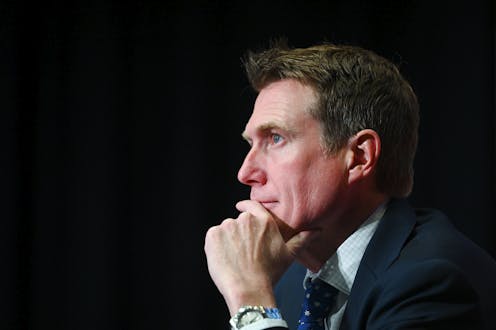
Public consultation is at the heart of sound law reform. With an issue as complex and sensitive as the Coalition government’s proposed religious discrimination bill, effective public consultation is critical.
Attorney-General Christian Porter has engaged in a consultation of sorts, publishing an “exposure draft” of the legislation and then asking for comment. But this is a deeply compromised approach to law reform consultation.
The problem is that Porter is consulting on a draft piece of legislation and not a policy question. Rather than asking, “How can we best address religious discrimination in Australia?”, Porter is saying, “This is what we’re doing about religious discrimination; any objections?”.
The former approach elicits comments and viewpoints from the public without any prior judgement. This can inform a policy and ensure the accommodation of a diversity of opinion. The Ruddock religious freedom review is an example.
Read more: The biggest hurdle for the Coalition's religious discrimination bill: how to define 'religion'
In contrast, Porter’s “exposure draft” takes a presumptive position in a highly contested area and establishes a for-and-against contest from the outset.
Exposure drafts are common in other areas, such as tax reform, but they typically follow consultations with key stakeholders in the relevant fields and industries, and are specific and technical in their focus.
Religious discrimination is a matter of wide social import. By starting the consultation with a concluded view as to the form that a religious discrimination bill will take, Porter has painted himself into a corner.
The only way for the draft bill to be taken seriously is if the public submissions show that most people agree with it. To demonstrate this, Porter will have to publish the submissions, but three weeks after the closing date, there has been no sign of that happening.
An inconclusive and wasteful exercise
We’ve seen a similar strategy from an attorney-general before – and it didn’t end well.
In 2014, former Attorney-General George Brandis published an “exposure draft” of a proposed amendment to section 18C of the Racial Discrimination Act, but he didn’t make public the more than 5,000 submissions the government received.
Although he claimed in the Victorian Bar News the submissions supported his proposal, the opposite was shown to be true. Within days, Prime Minister Tony Abbott announced there would be no move to reform the law.
It’s unlikely that Scott Morrison will do to Porter what Abbott did to Brandis. For one, Porter’s exposure draft is not as technically poor as Brandis’s draft in 2014. And there is some support – both religious and secular – for a religious discrimination law.
Read more: Why Australia needs a Religious Discrimination Act
But Porter’s exposure draft presumptuously details how it will be accomplished, and this risks being an inconclusive and wasteful exercise.
It risks being inconclusive because we won’t know what the broader public think about how best to address religious discrimination in the law. We will only know what people think of the way Porter has proposed addressing it.
And wasteful, because Porter will just have to start over again if the draft is not widely supported. Any bill will also have to go through parliamentary committees, where all the same submissions will be made again.
The Australian Law Reform Commission is already inquiring into the more specific issue of religious exceptions to the existing race, sex, disability and age discrimination statutes.
Porter could simply have expanded the commission’s terms of reference and let it inquire into religious discrimination generally.
Instead, because of his own consultation process on the exposure draft, Porter has narrowed the scope of the commission’s inquiry to ensure that it doesn’t look into the issue of religious discrimination at all.
For Porter, the downsides of an ALRC inquiry are that it takes time, and he can’t control the outcome. But it’s hard to consult genuinely on a proposed reform when politically, the answer has already been decided. Hence the exposure draft.
The parliamentary route
A different approach would have been to do what a government commonly does with new policy and introduce a bill for parliamentary debate and committee scrutiny.
A downside for Porter in this scenario is that the parliamentary process makes opposition to a bill very public.
Read more: Religious Discrimination Bill is a mess that risks privileging people of faith above all others
Public scrutiny through the parliamentary process does not usually deter a government. It can implement law reform despite adverse committee reports and public comment, although cross-bench opposition could be an obstacle.
But it is a path that Porter will have to go down anyway if we’re to have a religious discrimination law, and it won’t be any easier for having been through the misconceived exposure draft process first.
Authors: Simon Rice, Professor of Law; Director of Professional and Community Engagement, University of Sydney

















