

How to deal with smartphone stress
- Written by Brad Ridout, Research Fellow; Registered Psychologist; Deputy Chair, Cyberpsychology Research Group, University of Sydney
In the past decade, smartphones have gone from being a status item to an indispensable part of our everyday lives. And we spend a lot of time on them, around four hours a day on average.
There’s an increasing body of research that shows smartphones can interfere with our sleep, productivity, mental health and impulse control. Even having a smartphone within reach can reduce available cognitive capacity.
But it’s recently been suggested we should be more concerned with the potential for smartphones to shorten our lives by chronically raising our levels of cortisol, one of the body’s main stress hormones.
Read more: Three reasons to get your stress levels in check this year
The stress hormone
Cortisol is often mislabelled as the primary fight-or-flight hormone that springs us into action when we are facing a threat (it is actually adrenaline that does this). Cortisol is produced when we are under stress, but its role is to keep the body on high alert, by increasing blood sugar levels and suppressing the immune system.
This serves us well when dealing with an immediate physical threat that resolves quickly. But when we’re faced with ongoing emotional stressors (like 24/7 work emails) chronically elevated cortisol levels can lead to all sorts of health problems including diabetes, obesity, high blood pressure and depression. The long term risks for disease, heart attack, stroke and dementia are also increased, all of which can lead to premature death.
While many people say they feel more stressed now than before they had a smartphone, research has yet to determine the role our smartphones play in actually elevating our levels of cortisol throughout the day.
A recent study found greater smartphone use was associated with a greater rise in the cortisol awakening response – the natural spike in cortisol that occurs around 30 minutes after waking to prepare us for the demands of the day.
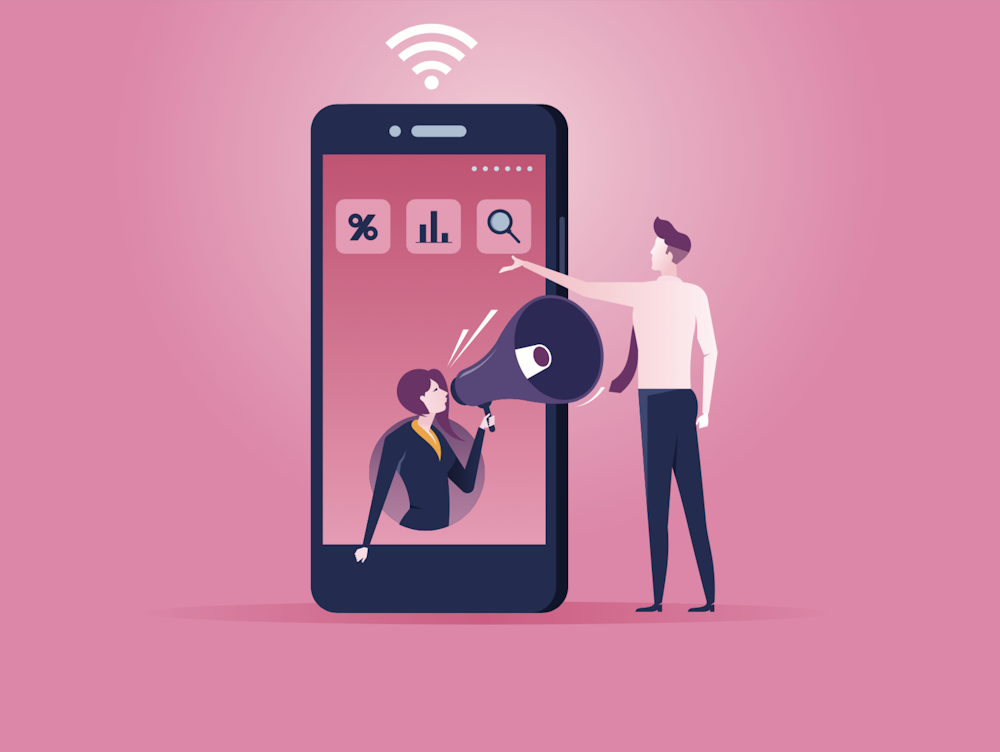 In the past, we couldn’t receive angry emails from our bosses 24/7.
from www.shutterstock.com
In the past, we couldn’t receive angry emails from our bosses 24/7.
from www.shutterstock.com
Awakening responses that are too high or too low are associated with poor physical and mental health. But smartphone use did not affect participants’ natural pattern of cortisol rises and falls throughout the rest of the day. And no other studies have pointed to a link between smartphone use and chronically elevated cortisol levels.
However people still do report feelings of digital stress and information and communication overload.
Checking work emails in the evening or first thing upon waking can lead to the kind of stress that could potentially interfere with natural cortisol rhythms (not to mention sleep). Social media can also be stressful, making us feel tethered to our social networks, exposing us to conflict and cyberbullying, and fostering social comparison and FoMO (fear of missing out).
Read more: New year's resolutions: how to get your stress levels in check
Despite being aware of these stressors, the dopamine hit we get thanks to social media’s addictive design means there is still a compulsion to check our feeds and notifications whenever we find ourselves with idle time. More than half of under 35s regularly check their smartphone when on the toilet.
Some tips
Dealing with smartphone-induced stress is not as simple as having periods of going cold turkey. The withdrawals associated with the unofficial condition known as nomophobia (an abbreviation of “no-mobile-phone phobia”) have also been shown to increase cortisol levels.
Rather than going on a digital detox, which has been likened to the fad of the juice cleanse diet, we should be aiming for digital nutrition. That is, maintaining a healthier relationship with our smartphones where we are more mindful and intentional about what we consume digitally, so we can maximise the benefits and minimise the stress they bring to our lives.
 Making the bed and kitchen table phone-free zones can help to reduce their effect on our lives.
from www.shutterstock.com
Making the bed and kitchen table phone-free zones can help to reduce their effect on our lives.
from www.shutterstock.com
Here are some tips for healthier smartphone use:
Use Apple’s “Screen Time”, Android’s ActionDash or the Moment app to take an audit of how often you use your phone and which apps take up most of your time
Turn off all but the most important app notifications (such as private messages) so you can take back control of when you look at your phone. You can also allocate certain times of the day to be notification free
Turn off the “push” or “fetch new data” option on your smartphone’s email. This way emails will only appear when you open the mail app and refresh it. As an added bonus this will help extend your phone’s battery life
Take some time to complete a digital declutter, which includes unfollowing people/pages (there’s an app for that!) and unsubscribing from email lists (that too!) that cause you stress or don’t benefit you. Remember you can unfollow friends on Facebook without defriending them
Create tech-free zones in your house, such as the kitchen table or bedrooms. An “out of sight out of mind” approach will help keep smartphone-delivered stress from creeping into your downtime
Set a digital curfew to support better restorative sleep and don’t keep your phone next to your bed. Instead of reaching for your phone first thing in the morning, start your day with a brief meditation, some exercise, or a slow breakfast
Be mindful and curious about how often you pick up your phone during the day simply out of boredom. Instead of bombarding your mind with information, use these opportunities to clear your mind with a short breathing exercise. There’s even a mindfulness exercise that challenges you to hold your phone while you meditate on your relationship with it, so you can reclaim your phone as a cue to check-in with yourself, rather than your emails or social media feed.
Authors: Brad Ridout, Research Fellow; Registered Psychologist; Deputy Chair, Cyberpsychology Research Group, University of Sydney
Read more http://theconversation.com/how-to-deal-with-smartphone-stress-116426

















