

why dying inspires so many writers and artists
- Written by: Claire Hooker, Senior Lecturer and Coordinator, Health and Medical Humanities, University of Sydney
This is one of our occasional Essays on Health. It’s a long read.
It may seem paradoxical, but dying can be a deeply creative process.
Public figures, authors, artists and journalists have long written about their experience of dying. But why do they do it and what do we gain?
Read more: On poetry and pain
Many stories of dying are written to bring an issue or disease to public attention.
For instance, English editor and journalist Ruth Picardie’s description of terminal breast cancer, so poignantly described in Before I say Goodbye, drew attention to the impact of medical negligence, and particularly misdiagnosis, on patients and their families.
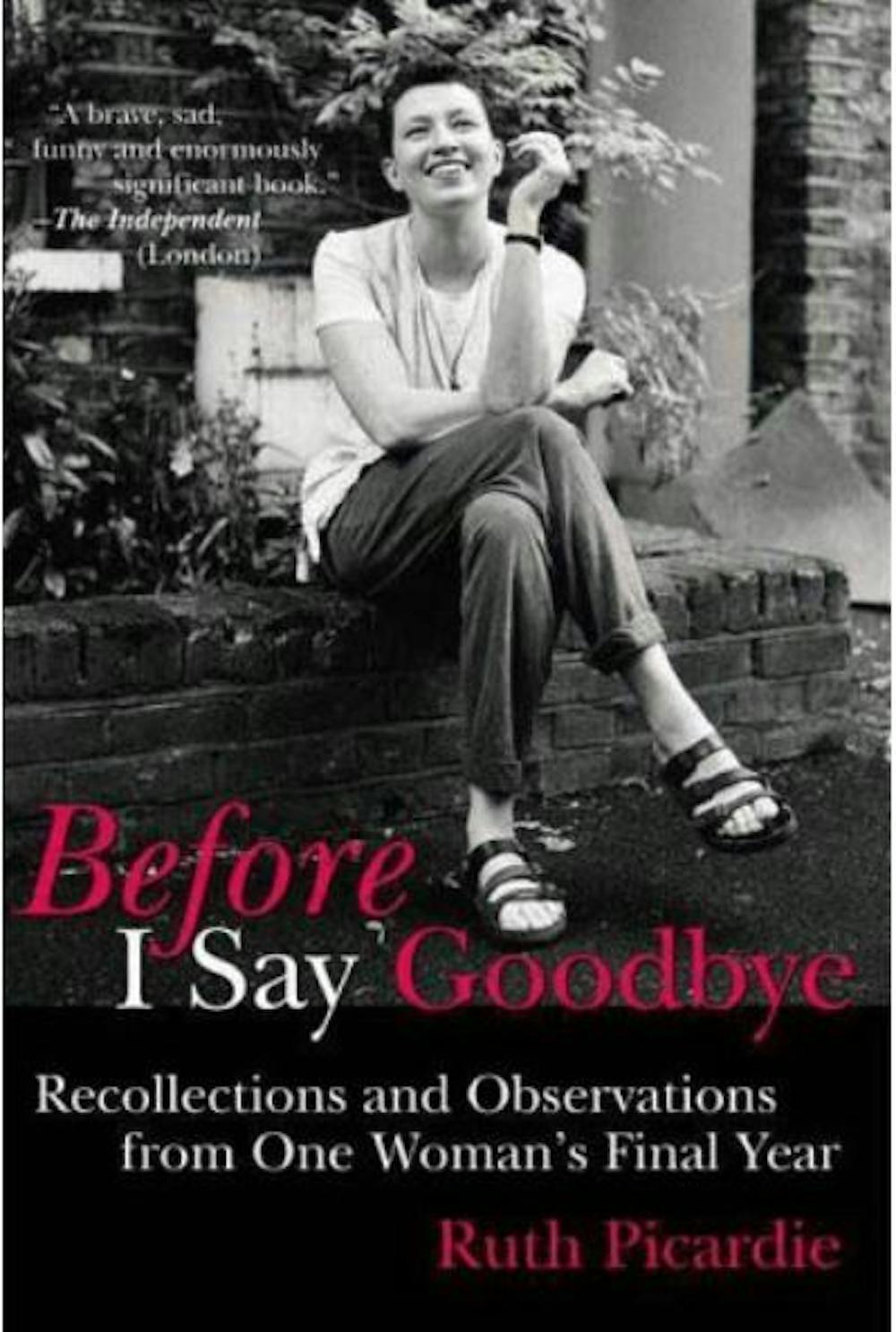 English editor and journalist Ruth Picardie’s description of terminal breast cancer drew attention to the impact of medical negligence and misdiagnosis.
Penguin Books
English editor and journalist Ruth Picardie’s description of terminal breast cancer drew attention to the impact of medical negligence and misdiagnosis.
Penguin Books
American tennis player and social activist Arthur Ashe wrote about his heart disease and subsequent diagnosis and death from AIDS in Days of Grace: A Memoir.
His autobiographical account brought public and political attention to the risks of blood transfusion (he acquired HIV from an infected blood transfusion following heart bypass surgery).
Other accounts of terminal illness lay bare how people navigate uncertainty and healthcare systems, as surgeon Paul Kalanithi did so beautifully in When Breath Becomes Air, his account of dying from lung cancer.
But, perhaps most commonly, for artists, poets, writers, musicians and journalists, dying can provide one last opportunity for creativity.
American writer and illustrator Maurice Sendak drew people he loved as they were dying; founder of psychoanalysis Sigmund Freud, while in great pain, refused pain medication so he could be lucid enough to think clearly about his dying; and author Christopher Hitchens wrote about dying from oesophageal cancer despite increasing symptoms:
I want to stare death in the eye.
Faced with terminal cancer, renowned neurologist Oliver Sacks wrote, if possible, more prolifically than before.
And Australian author Clive James found dying a mine of new material:
Few people read
Poetry any more but I still wish
To write its seedlings down, if only for the lull
Of gathering: no less a harvest season
For being the last time.
Read more: Vale Clive James – a marvellous low voice whose gracious good humour let others shine
Research shows what dying artists have told us for centuries – creative self-expression is core to their sense of self. So, creativity has therapeutic and existential benefits for the dying and their grieving families.
Creativity provides a buffer against anxiety and negative emotions about death.
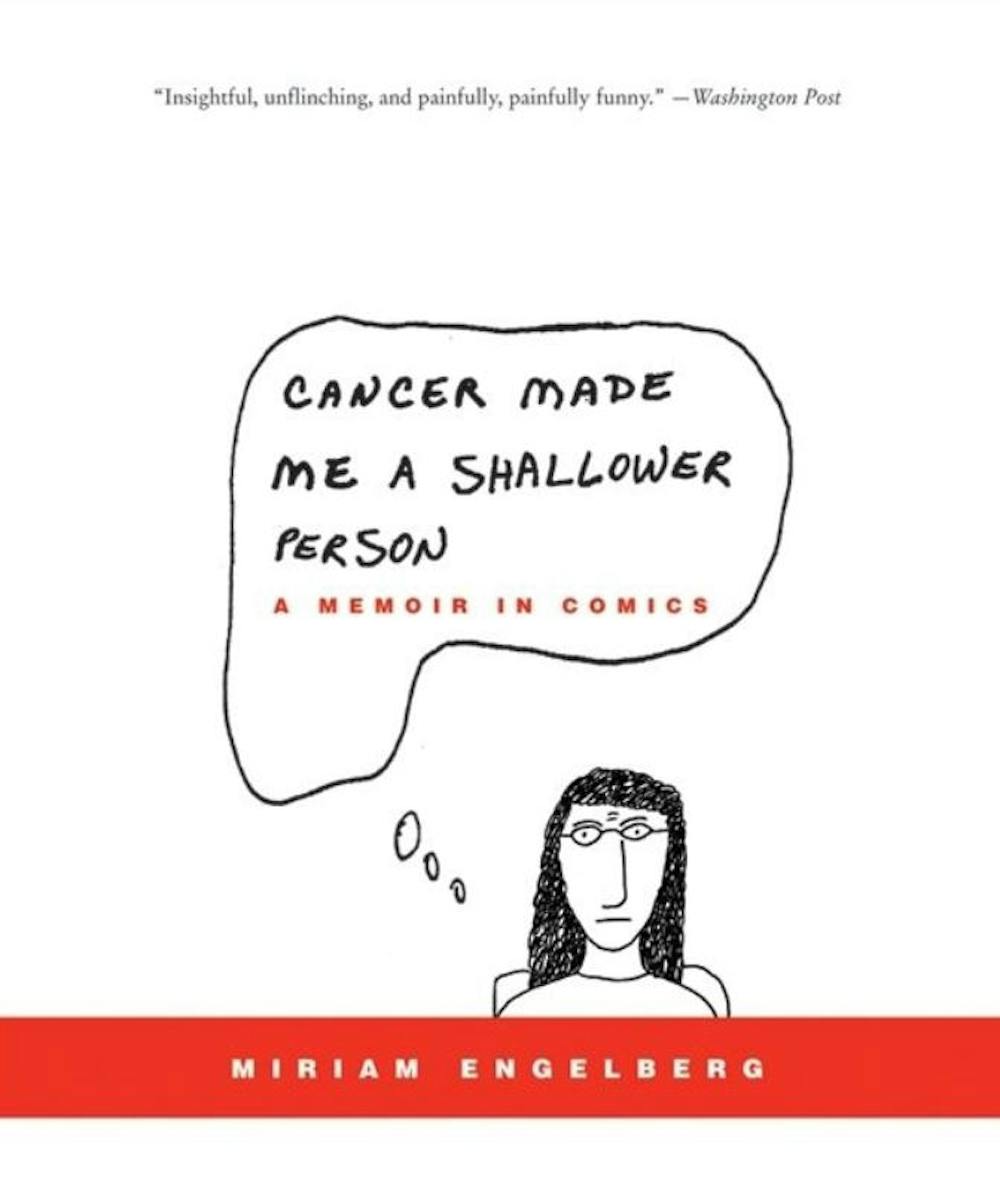 Cartoonist Miriam Engelberg chose a graphic novel to communicate her experience of cancer.
Harper Perennial
Cartoonist Miriam Engelberg chose a graphic novel to communicate her experience of cancer.
Harper Perennial
It may help us make sense of events and experiences, tragedy and misfortune, as a graphic novel did for cartoonist Miriam Engelberg in Cancer Made Me A Shallower Person, and as blogging and online writing does for so many.
Creativity may give voice to our experiences and provide some resilience as we face disintegration. It may also provide agency (an ability to act independently and make our own choices), and a sense of normality.
French doctor Benoit Burucoa wrote art in palliative care allows people to feel physical and emotional relief from dying, and:
[…] to be looked at again and again like someone alive (without which one feels dead before having disappeared).
A way of communicating to loved ones and the public
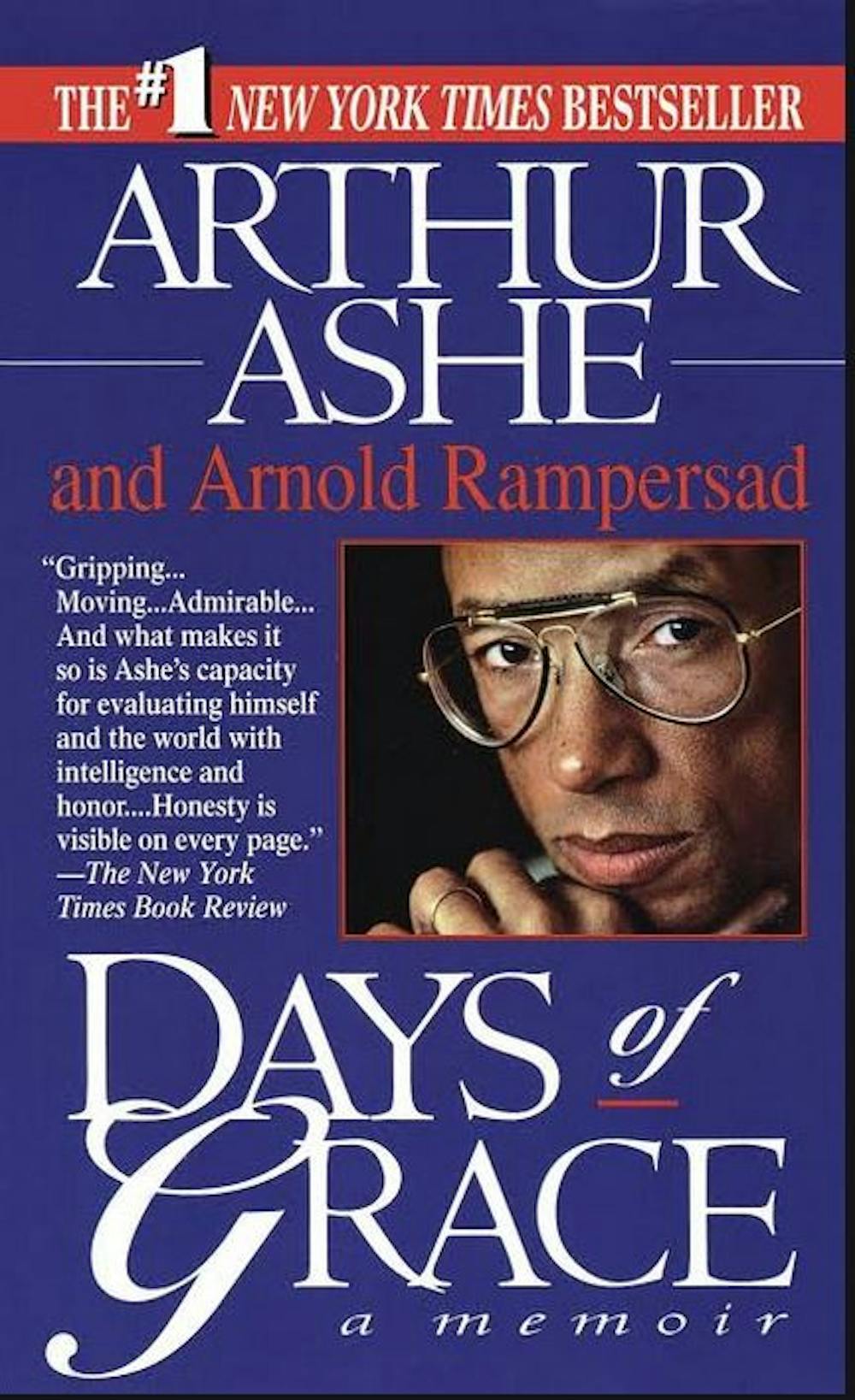 American tennis player and social activist Arthur Ashe wrote about his heart disease and subsequent diagnosis and death from AIDS.
Ballantine Books
American tennis player and social activist Arthur Ashe wrote about his heart disease and subsequent diagnosis and death from AIDS.
Ballantine Books
When someone who is dying creates a work of art or writes a story, this can open up otherwise difficult conversations with people close to them.
But where these works become public, this conversation is also with those they do not know, whose only contact is through that person’s writing, poetry or art.
This public discourse is a means of living while dying, making connections with others, and ultimately, increasing the public’s “death literacy”.
In this way, our conversations about death become more normal, more accessible and much richer.
There is no evidence reading literary works about death and dying fosters rumination (an unhelpful way of dwelling on distressing thoughts) or other forms of psychological harm.
In fact, the evidence we have suggests the opposite is true. There is plenty of evidence for the positive impacts of both making and consuming art (of all kinds) at the end of life, and specifically surrounding palliative care.
Why do we buy these books?
Some people read narratives of dying to gain insight into this mysterious experience, and empathy for those amidst it. Some read it to rehearse their own journeys to come.
But these purpose-oriented explanations miss what is perhaps the most important and unique feature of literature – its delicate, multifaceted capacity to help us become what philosopher Martha Nussbaum described as:
[…] finely aware and richly responsible.
Literature can capture the tragedy in ordinary lives; its depictions of grief, anger and fear help us fine-tune what’s important to us; and it can show the value of a unique person across their whole life’s trajectory.
Not everyone can be creative towards the end
Not everyone, however, has the opportunity for creative self-expression at the end of life. In part, this is because increasingly we die in hospices, hospitals or nursing homes. These are often far removed from the resources, people and spaces that may inspire creative expression.
And in part it is because many people cannot communicate after a stroke or dementia diagnosis, or are delirious, so are incapable of “last words” when they die.
Read more: What is palliative care? A patient's journey through the system
Perhaps most obviously, it is also because most of us are not artists, musicians, writers, poets or philosophers. We will not come up with elegant prose in our final days and weeks, and lack the skill to paint inspiring or intensely beautiful pictures.
But this does not mean we cannot tell a story, using whatever genre we wish, that captures or at least provides a glimpse of our experience of dying – our fears, goals, hopes and preferences.
Clive James reminded us:
[…] there will still be epic poems, because every human life contains one. It comes out of nowhere and goes somewhere on its way to everywhere – which is nowhere all over again, but leaves a trail of memories. There won’t be many future poets who don’t dip their spoons into all that, even if nobody buys the book.
Authors: Claire Hooker, Senior Lecturer and Coordinator, Health and Medical Humanities, University of Sydney


















