Does medicinal cannabis work for depression, anxiety or PTSD? Our study says there’s no evidence
- Written by: Jack Wilson, Postdoctoral Research Fellow at the Matilda Centre for Research in Mental Health and Substance Use, University of Sydney
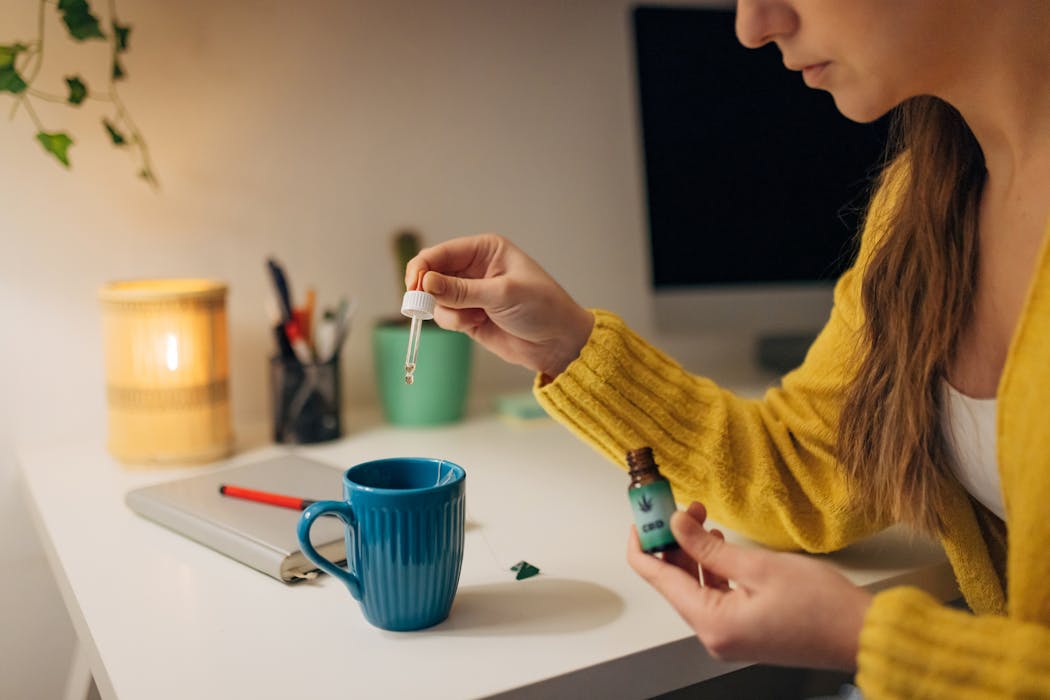
The number of Australians using medicinal cannabis has surged over the past five years. Around 700,000 Australians have used cannabis for their health in the past year.
And since 2022, medicinal cannabis sales have increased four-fold. But the majority of products prescribed in the Australian market are not registered with the Therapeutic Goods Administration. This means they have not been rigorously tested.
So, is medicinal cannabis safe? And is it actually effective?
Our new research, published today in Lancet Psychiatry, is the largest ever review to look at the safety and effectiveness of medicinal cannabis for mental health and substance use disorders.
These make up six of the top ten reasons cannabis is prescribed, specifically: anxiety, sleep disorders, post-traumatic stress disorder (PTSD), insomnia, depression, and attention deficit and hyperactivity disorder (ADHD).
But we found little evidence medicinal cannabis effectively treats these conditions. And while most side effects were mild to moderate, some serious questions about safety remain.
What evidence was available?
Between 1980 and 2025, we found 54 randomised controlled trials that looked at whether medicinal cannabis reduced or treated mental health disorders (including psychotic disorders, anxiety, insomnia, anorexia and PTSD) or substance use disorders (including cannabis, cocaine and opioids). This kind of trial is the gold standard for understanding the direct effects of a medicine.
The most common cannabinoid being evaluated was cannabidiol (CBD), followed by tetrahydrocannabinol (THC) and a combination of THC and CBD.
CBD is non-intoxicating and typically safe, whereas THC is psychoactive, and linked to harms in the short term, such as paranoia, and longer term, such as the development of a cannabis use disorder.
Cannabis may help people quit cannabis
We found cannabis medicines were no more effective than a placebo at treating symptoms of psychotic disorders (such as schizophrenia), anxiety, PTSD, anorexia or opioid use disorder.
However, there were promising findings that medicinal cannabis may be effective in reducing cannabis use among those with a cannabis use disorder.
While this may sound strange, the medicines largely consisted of an oil-based combination of CBD and THC that was taken orally. As these medicines reduce craving, patients may use less of their usual cannabis. So for people who regularly smoke high-THC cannabis, using medicinal cannabis instead may reduce their risk of related health problems, such as lung conditions.
But there are limitations
We must be careful when interpreting the positive findings.
For example, some evidence suggested medicinal cannabis could help treat symptoms associated with tic or Tourette’s syndrome, insomnia, and autism spectrum disorder. But only a small number of studies focused on these conditions and many were low quality.
In randomised controlled trials, we don’t want participants to know whether they are consuming the medicine or placebo. But as cannabis is often intoxicating, participants may be aware of what they have been given, and this can introduce bias.
Some of these studies also reported conflicts of interest, which may have influenced their results. So it may be too soon to tell whether medicinal cannabis is effective in treating these conditions.
How about safety?
The combined data showed cannabis medicines were linked to mild side effects such as nausea, dry mouth and fatigue.
But the risk of serious side effects, such as a psychotic episode, was no greater among those taking cannabis medicines or a placebo.
The data alone seems to suggest cannabis medicines are relatively safe. But this may not be reflected in real-world use.
The average length of treatment in these studies was only five weeks – and we know regular cannabis use can cause long-term harms.
One 2024 review found around one-quarter of those using medicinal cannabis will develop a cannabis use disorder. This is similar to the rate among those using cannabis for non-medical use.
The cannabis medicines used in these studies were also low in THC. But data from the TGA shows Australians have access to a wide range of cannabis medicines that are often high in THC content. Chronic consumption of high THC cannabis has been linked to a greater risk of worsening mental health symptoms, particularly among young people.
So what does this mean?
Similar reviews have been conducted in the past. But many focus on a smaller number of health conditions and have not combined data to reveal a single estimate.
Reviews have also commonly drawn conclusions on cannabis as a treatment for mental health when it was being used to treat other conditions, such as chronic pain.
Nevertheless, our findings are largely consistent with previous reviews: there is little evidence medicinal cannabis is an effective treatment for mental health and substance use disorders.
Currently, there is a mismatch between the research evidence on medicinal cannabis – mainly short-term trials and CBD formulations – and real-world use, which is longer term and often using high-THC products.
We need more research on cannabis medicines, particularly for conditions with limited alternative treatments, and monitoring over longer periods.
As the TGA conducts a review of medical cannabis prescribing in Australia, these findings should inform future regulation. The long-term use of these medicines could result in harm and delay the use of more effective treatments.
The takeaway
For those who believe their medicinal cannabis is beneficial for these conditions, our review does not mean to contradict your experience.
However, we encourage you to regularly discuss your circumstances with a doctor, and if possible, consider alternative evidence-based treatments.
Authors: Jack Wilson, Postdoctoral Research Fellow at the Matilda Centre for Research in Mental Health and Substance Use, University of Sydney