

A New York Times critic used AI to write his review – but criticism is deeply human
- Written by: Bec Kavanagh, Senior Tutor in Publishing & Creative Writing, The University of Melbourne
An author and freelance journalist has admitted to using AI to help him write a book review for the New York Times.
Alex Preston’s review of Jean-Baptiste Andrea’s novel Watching Over Her, published by the New York Times in January 2026, draws phrases and full paragraphs from Christobel Kent’s Guardian review. The “error” was brought to light by a reader, who alerted the New York Times to the similarities.
Preston told the Guardian he is “hugely embarassed” and “made a huge mistake”.
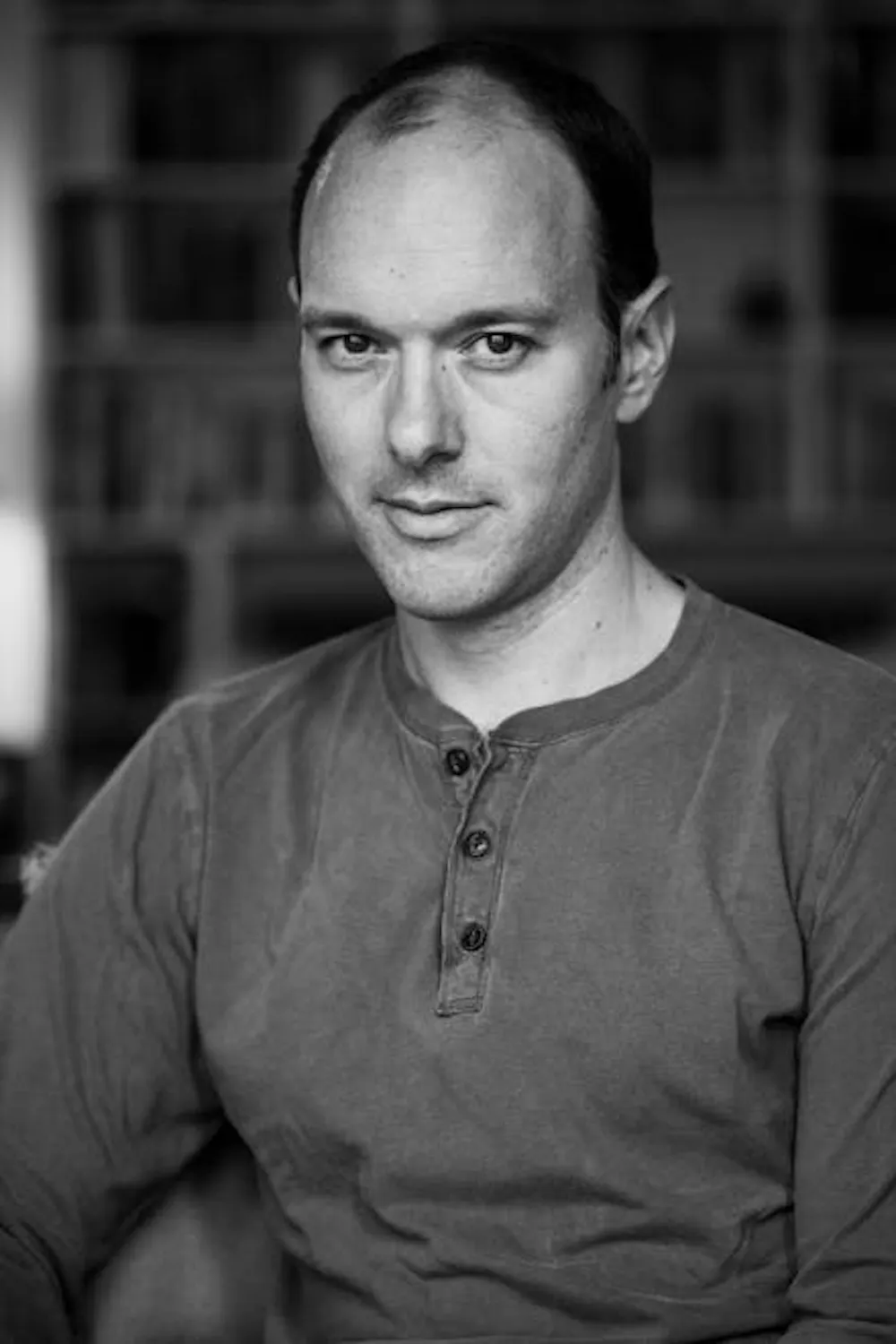
The Times promptly dropped Preston, calling his “reliance on A.I. and his use of unattributed work by another writer” a “clear violation of the Times’s standards”. An editor’s note now precedes the review online, advising readers of the issue and providing a link to the Guardian review.
Preston’s apology to the Guardian raises more questions than it resolves. The portion quoted online seems to speak more to the issue of unattributed work than his use of AI. It reads: “I made a serious mistake in using an AI tool on a draft review I had written, and I failed to identify and remove overlapping language from another review that the AI dropped in.” This implies that if he had removed the “overlapping” language, the issue would have been avoided.
As a literary critic and scholar, I believe the deeper question isn’t whether or not critics should do more to hide their use of AI – but the ethics of using it at all.
Why AI can’t do criticism
The role of the critic isn’t to summarise or repackage art, but to actively participate in a conversation about it. “Good criticism thrives in the complexity of its environment,” writes critic Jane Howard, who is also The Conversation’s Arts + Culture editor. “Each review sits in conversation with every other review of a piece of art, with every other review the critic has written.”
In other words, the critic is in conversation with both the artist and the audience. The critic’s emotional and intellectual engagement with art – and their translation and communication of meaning – is intrinsic to their role as mediator. That role is deeply human.
Perhaps information can be outsourced, but emotional engagement can’t. Nor can an individual perspective, filtered through one human’s reading, viewing, listening and experiences.
Art and AI controversies
There are valid arguments outlining the functional uses of AI, and warning against significant climate repercussions. But there is also an escalating concern around the intrusion of AI into creative expression.

Last month, author Mia Ballard was accused of using AI to write her horror novel, Shy Girl. It was withdrawn from publication in the UK and cancelled from scheduled publication in the US, after “readers on platforms such as Goodreads and Reddit had questioned whether sections of the text bore hallmarks of AI-generated prose”, according to the Guardian.
In 2023, German artist Boris Eldagsen sparked controversy when he revealed that his prize-winning photograph The Electrician was AI generated. In 2025, Tilly Norwood, the first fully AI-generated “actress” ignited debate around whether so-called synthetic actors were a tool for creative expression, or a threat to human creators.
In 2025, writers were “horrified” to discover that their work had been pirated by Meta to train AI systems.
If the question that underlies these examples is “what is the role of art”, this latest debacle adds “and what is the responsibility of the critic”?
Breaking a pact
Art criticism in Australia is what Howard describes as a “niche within a niche”. The sector is unbearably small, so most critics have an additional day job and are in close professional and personal proximity to the artists whose work they review.
Some critics of the critics, such as writer Gideon Haigh, have suggested this has led to a culture of what literary academic Emmett Stinson called “too-nice” criticism.
But I would argue generosity is fundamental to public-facing criticism – and that the critic reviewing in the public sphere has a responsibility to writers and readers.
The writer might safely assume that when we’re publishing a review that surmises their book’s successes and failings against its ambition, we have, at the very least, taken the time to read and carefully consider their work, and our own response to it.
This unspoken pact is broken when the writer begins to use AI – particularly when a professional reviewer like Preston seems to outsource his assessment to it.
Such fiascos point to a disturbing future where readers’ opportunities to build community and develop empathy through engagement with literature is outsourced entirely to AI.
Australian literature academic Julieanne Lamond has said “when we write reviews we have to do it ‘naked’ – as individual readers, with a public to judge our judgements”. In other words, we sit at the middle of a pact between the writer of a book and their potential readers.
Criticism can be literature
Done well, criticism is literature. As Australian author, playwright and critic Leslie Rees argued in 1946, good literary criticism is a “real and creative service to literature”.
 Watching Over Her is at the centre of a controversy over the use of AI in writing a New York Times book review.
Popular criticism, written for the general public and published as journalism, might sit on a different playing field from scholarly criticism. But its obligation to readers – to convey real and honest opinions about books and bring readers into a conversation about literature – is no less significant. There is a shared obligation to be honest, and surely this honesty extends to a transparency about AI use.
French professor and essayist Phillipe Lejeune, best known for his work on autobiography, used the term the “autobiographical pact” to describe the relationship between the writer of a memoir and the reader. That is, the reader accepts what the memoirist says as truth, based on the writer’s acknowledgements of their own biases and subjectivity.
We might transfer a similar pact to the reviewer and their reader. Should the reader not be able to trust that the review they’re reading is the critic’s own?
Hannah Bowman, a literary agent from Liza Dawson Associates, recently described mistrust as the book industry’s greatest peril: “it’s essential for all parties in the publishing process to have transparency and clarity in conversations about how AI tools are being used by any party, especially in the creative process”.
In failing to disclose his use of AI, Preston has not only embarrassed himself, but broken the trust of his readers.
Authors: Bec Kavanagh, Senior Tutor in Publishing & Creative Writing, The University of Melbourne


















