

Google AI


Modern Australian

How microplastics hurt the hidden helpers that keep our coasts healthy

  • Written by: Simon Francis Thrush, Professor of Marine Science, University of Auckland, Waipapa Taumata Rau

Walk across a mudflat at low tide and you might notice small, neat mounds of sediment scattered across the surface.

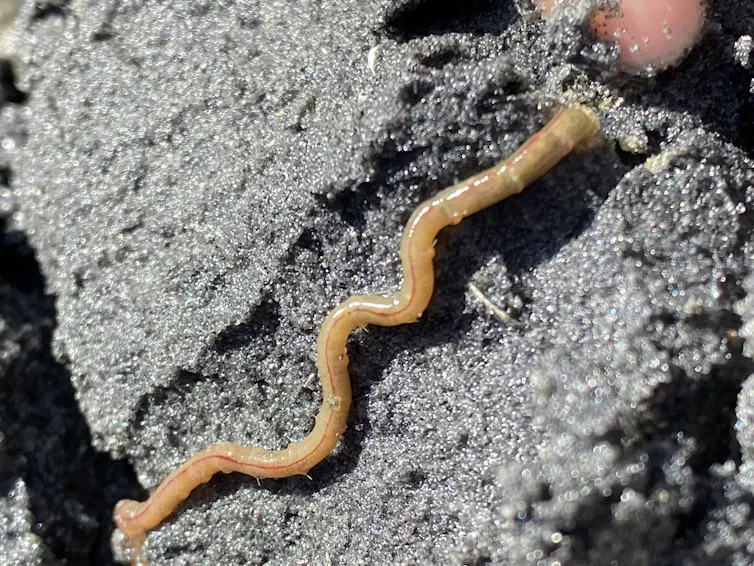
These so-called “chimneys” are the calling card of the humble bamboo worm (Macroclymenella stewartensis) which inhabits sandy sediments within New Zealand’s sheltered bays and estuaries.

Despite their hidden lives and small size – most measure just a few centimetres long – these worms have an outsized influence on the health of our marine environment.

But now there are troubling signs that microplastics – tiny but pervasive fragments of broken-down plastic – are disrupting the vital role the worms play, with potentially wider effects we are only just beginning to understand.

Hidden heroes of the seafloor

Over time, scientists have come to recognise the role bamboo worms and other tiny creatures have in bioturbation: a process essential to the functioning of coastal ecosystems.

When healthy, the worms burrow in the seafloor, enabling oxygenated water to enter deeper into the sediment. This, in turn, breathes life into the seabed.
How microplastics hurt the hidden helpers that keep our coasts healthy
The humble bamboo worm plays an outsized role in keeping coastal ecosystems healthy, through a process called bioturbation. Yuxi You, CC BY-NC-ND

The worms also feed on organic matter, helping regulate carbon and nitrogen in the sediment and surrounding waters. As they deposit small piles of waste, they provide nutrients for microscopic plants, supporting coastal food webs.

When these processes are disrupted, the impacts can ripple outward.

Nutrients can build up, increasing the risk of algal blooms that strip oxygen from the water. This can worsen conditions to the point where fish and other marine life can no longer survive.

How microplastics hurt the hidden helpers that keep our coasts healthy
This image shows surface signatures of bioturbation, in which tiny creatures such as bamboo worms burrow into muddy sediments, enabling the oxygenation and nutrient cycling that keeps coastal ecosystems healthy. Yuxi You, CC BY-NC-ND

Healthy marine sediments also act as a buffer against climate change by locking away carbon. When that balance is lost, sediments can instead release greenhouse gases such as nitrous oxide and methane.

How microplastics mess with marine life

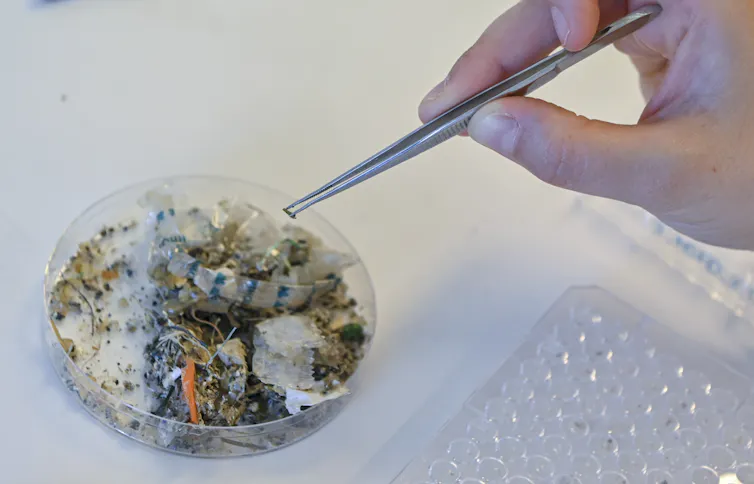
Marine microplastics – fragments smaller than 5 millimetres from sources such as vehicle tyres, synthetic clothing fibres and degraded plastic waste – are now found from the tropics to Antarctica. Some estimates suggest there may be more than 170 trillion pieces in the world’s oceans today.

In New Zealand, scientists have been surprised to find them building up even in seemingly pristine marine environments, far from towns and major sources of pollution.

Their impacts are wide-ranging and still being uncovered.

Their small size makes them easy for marine organisms to ingest, often by mistake, where they can cause physical damage and leave animals malnourished. Microplastics can also carry toxic chemicals that interfere with reproduction and development, with these effects building up through the food chain.

When we look at how microplastics affect life on the seafloor, the picture becomes yet more complex.

In a recent study carried out at the University of Auckland’s Leigh Marine Laboratory, we found bamboo worms became less active when exposed to them.

It’s still not clear why. The worms may be ingesting plastic, absorbing chemicals from contaminated sediments, or simply finding less food if microplastics reduce algal growth.
How microplastics hurt the hidden helpers that keep our coasts healthy
Marine microplastics are small fragments of plastic debris that measure less than 5 millimetres long. Milos Bicanski/Getty Images

What matters is that their behaviour shifts as microplastic levels increase – with potentially important implications for bioturbation and ecosystem health.

It might also be causing knock-on impacts for wider food chains, as seabirds and eagle rays feed on worms and other tiny creatures in the seabed.

A micro pollutant, a macro problem

While plastic continues to accumulate in the marine environment, some microplastics may break down in sediments over time. Even so, this is unlikely to offset the growing volume, meaning the overall burden continues to rise.

People can help tackle the microplastic problem by reducing the amount of plastic they buy, picking up plastic rubbish on the beach, supporting harbour clean up groups and buying clothing made of natural fibres.

Presently, there are no limits set for safe levels of microplastic pollution in New Zealand – and policies will be needed to manage the problem.

Clean coasts are highly valued by New Zealand communities, but the health of these environments depends as much on what lies beneath the surface as what is visible above it.

While attention often focuses on those “charismatic” species such as dolphins and penguins, the small organisms living in the seabed play an equally important role in keeping ecosystems functioning.

Authors: Simon Francis Thrush, Professor of Marine Science, University of Auckland, Waipapa Taumata Rau


Read more https://theconversation.com/how-microplastics-hurt-the-hidden-helpers-that-keep-our-coasts-healthy-280266

What Are the Benefits of Renovating an Older Home in Sydney?

Sydney has plenty of character homes, from Federation cottages to mid-century brick homes. Renovating rather than rebuilding can preserve what makes t...

Pool and Deck Design: How to Plan the Perfect Outdoor Living Space for Your Sydney Home

For many Australians, the backyard is where life happens. Summer barbecues, weekend swims and long evenings outdoors are all part of the lifestyle, ...

Is Solar Pool Heating Worth It? What Sydney Homeowners Should Know

There's nothing quite like a backyard pool on a hot Sydney day. But once autumn rolls in, many pools sit unused for months because the water is simp...

Planning a Luxury House Move: A Week-by-Week Timeline for Prestige Sydney Homes

Selling or buying a prestige home is a major milestone. Whether it's a waterfront residence in Birchgrove, a grand Federation home in Haberfield or ...

Downsizing or Upgrading Your Caravan? Here's How to Sell It Without the Hassle

Selling a caravan can feel like a major task, especially when you are unsure about its value, paperwork, or how to find a buyer. Whether you are dow...

The Best Overseas Adventure Holidays for Australians Who Love the Outdoors

Australia offers no shortage of incredible outdoor experiences, but sometimes the best way to satisfy your sense of adventure is to head overseas. A...

Cape Town Wine Shuttle: Winelands Tasting & Tours

Embark on an unforgettable journey through the picturesque Cape Winelands, where world-class wines and breathtaking scenery await. Our Cape Town Win...

Metal Fabrication: Choosing Metal Fabrication Melbourne Services for Custom Projects

What Modern Metal Fabrication Involves From individual components to complete structures, metal fabrication brings together processes such as desig...

Why Giant Rats Tail Grass Keeps Coming Back After Spraying

Giant Rats Tail Grass (GRT) is one of the most frustrating pasture weeds for farmers and lifestyle property owners. You spray an infested area, see th...

When Custom Cardboard Boxes Make Sense for Your Business

Custom cardboard boxes can be useful when a standard carton does not fit a product, packing method or presentation requirement particularly well. A ...

Full-Height vs. Pop-Top Caravan: Which Is Better for Family Travel across WA?

A pop-top caravan is an excellent choice for travellers who want the comfort of a caravan without committing to a larger, bulkier setup. With a lowe...

Bottle Label Printing: Key Factors for a Professional Finish

Why the Printing Method Matters When businesses need packaging or printed containers developed for a particular application, the right supplier can m...

Virtual Livestock Fencing and GPS Tracking: Improving Visibility Across Cattle Properties

What Virtual Livestock Fencing Means for Modern Cattle Management Managing cattle across extensive properties requires more than knowing where anim...

Sydney Pawnbrokers Explained: How Hocking Your Car Actually Works

Sometimes you need cash, and you need it soon. If you own a car, you may already have a way to get it. That's what people mean when they say they've...

Moving Interstate from the Gold Coast to Brisbane (or Back)? What Removalists Wish You Knew First

Have you talked to anyone who’s done the move? They say the same thing: the drive up the M1 is the easy part. It's everything around it that catches...

Why the Spring School Holidays Are a Great Time to Visit Coffs Harbour

The spring school holidays are a good time to spend a few days on the Coffs Coast. The weather is starting to warm up, there is plenty to do outdoor...

What to Do When an Older Car Is No Longer Worth Keeping in Melbourne

Ever looked at another repair quote and wondered whether your old car is still worth the trouble? It is a common turning point for Melbourne motoris...

Your Baby's First Year: A Local Guide to Feeding, Sleep, and When to Get Extra Support

Ask ten parents in a Brisbane mothers' group how their baby is feeding or sleeping, and expect ten different answers.  Someone's baby sleeps throug...















