

Don’t worry, your child’s early learning doesn’t stop just because they’re not in childcare
- Written by: Jeanne Marie Iorio, Senior Lecturer, Early Childhood Education, University of Melbourne
At childcare and preschool, children experience belonging to a community and engage actively with their learning.
They also collaborate in groups, which helps them learn how to negotiate, listen and engage together.
Learning in this sense is layered and complex in that children aren’t just taught knowledge, but participate in constructing it. And because of this, a child’s learning never stops.
Even if your child has paused attending childcare or preschool due to COVID-19, they are still learning, every day and in every moment.
Parents are the most important teachers
Play is central to children’s learning experiences. It’s how they make meaning in their world, create, build and maintain relationships, and explore and engage with theories and questions.
Early childhood teachers work with children to create daily moments of play that ignite wonder, inquiry and surprise.
They do so by using ordinary moments – such as a group of children drawing a map of the community or a toddler reaching out to catch the rain – as the foundation for creating experiences that further children’s thinking and ideas.
Read more: Let them play! Kids need freedom from play restrictions to develop
The children and teachers are co-participants in the learning process. They collaborate to understand and make meaning of the relationships between each other, with the other children in the setting and with the environment.
These same collaborations of meaning-making and discovery occur in families.
Even the Early Years Learning Framework – the national guide for the early childhood curriculum – states that parents and families are “children’s first and most influential educators”.
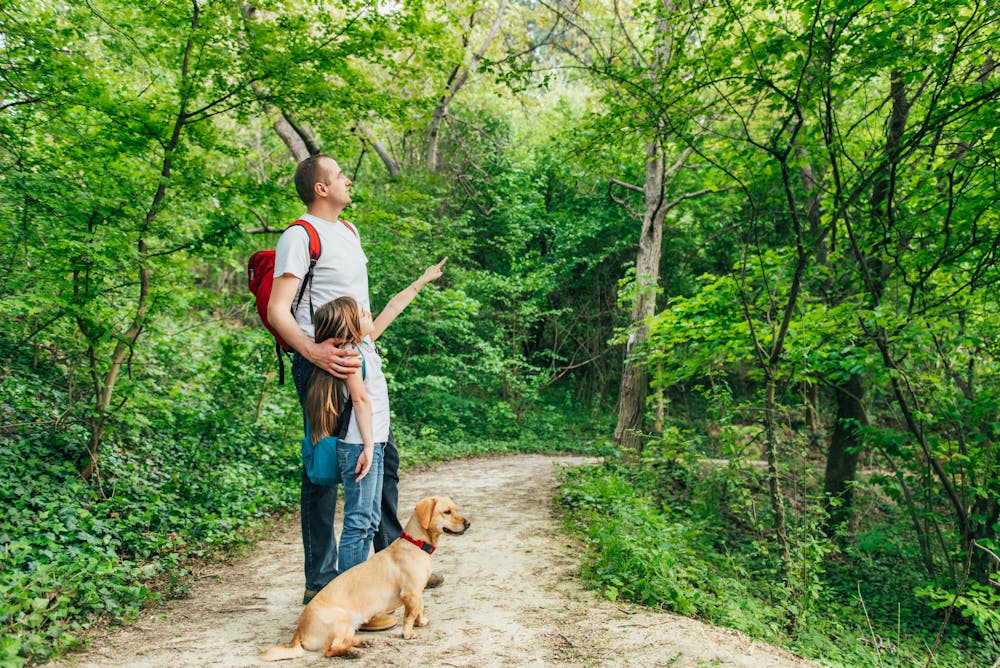 A child’s learning never stops.
Shutterstock
A child’s learning never stops.
Shutterstock
And research shows children’s development and learning never actually pauses. Children will still learn, grow and develop despite not attending preschool and childcare.
They will continue to make meaning of their world as they think, question and play at home, or as they walk with a parent, or eat breakfast with their family.
Read more: 8 tips on what to tell your kids about coronavirus
Even ordinary negotiations with a child and parent can be learning experiences.
Imagine your child wants to play with you while you are busy answering emails. Stopping for a moment and listening to your child’s request, then responding with a simple, “I can play with you in 15 minutes”, offers an opportunity for the child to act with patience and empathy.
Listening, collaboration and compromise are all part of this very ordinary moment and become how child and parent learn in relationship with each other and build knowledge together.
Here are some other ways parents can create learning experiences at home.
A bag of things
Your home is full of rich materials for children to explore and through which they can understand the world.
For example, give young child a small bag and ask them to fill it with things like fallen leaves, old buttons, bottlecaps, string or small bits of paper.
Then clear a space, empty the bag, and give the child time and space to play with the gathered materials.
You might be immediately inclined to give your child a task or tell them what to do with the materials. But instead, wait and trust the child to find their own way.
Slowness is part of the process. It gives children time to question: where did this button come from?; what happens when I stack these bottlecaps?; how can I use this string to create something else?
Listen to what your child is saying and doing. Then see how you might support your child to think deeper about the materials.
You may notice how your child is grouping the materials, so you could ask: “how are you deciding which items go together?”
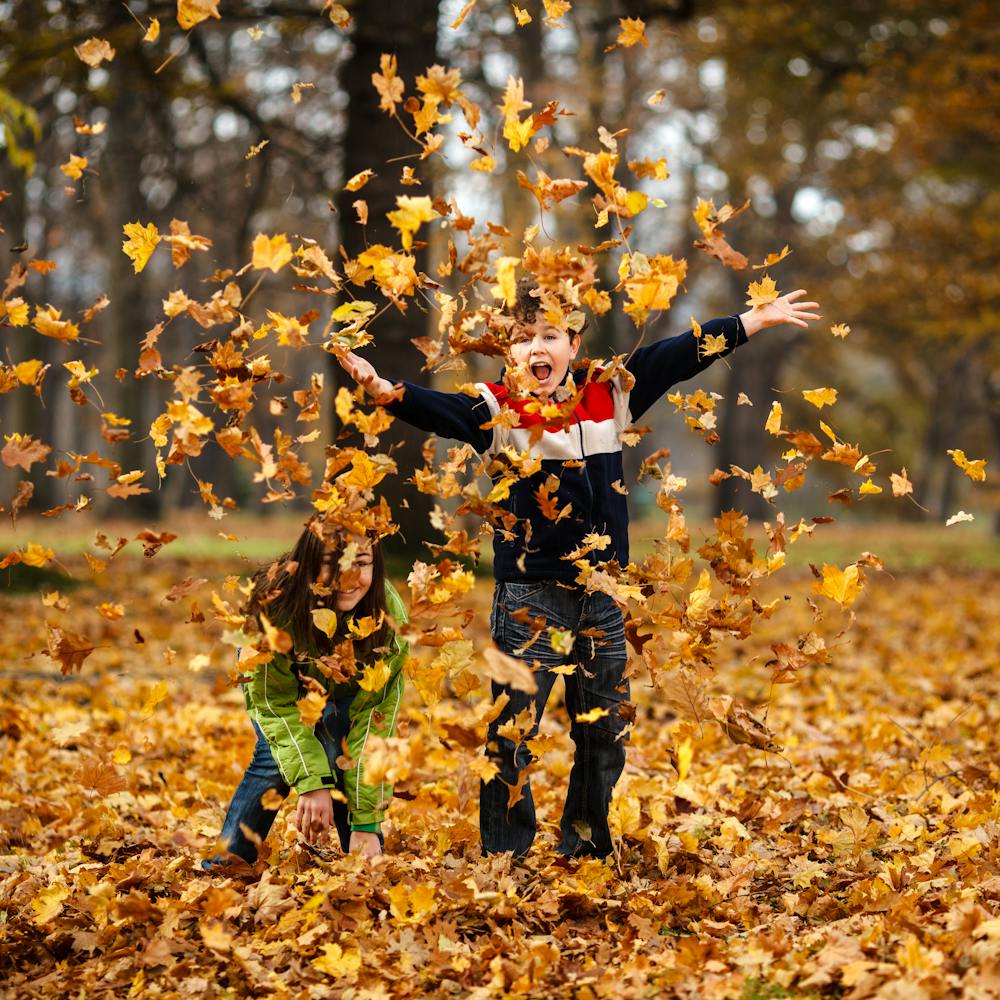 Children learn through relationships, including relationships with nature.
Shutterstock
Children learn through relationships, including relationships with nature.
Shutterstock
You can place some empty containers in the middle of the space as a response to grouping and see what happens.
Spend time listening again and thinking about what your child is theorising during the grouping of materials.
Is she grouping the objects into a particular shape, or by certain amounts? Perhaps your child will manipulate the shapes into a sculpture.
In this shared example, categorising (making groups) moves to theory building (how items are grouped) to creating and building new knowledge (how items come together to create something new).
You can keep this collection to play with later, showing your child how to recycle materials.
You can find more ideas for what to do at home at Reggio Children
Relationships with a place
Learning happens in relationships – relationship with families, animals and insects, plants, oceans and mountains, pens, pencils, paper and paint, and places.
Find a place close to your home you can visit regularly, like a nearby park. Help your children notice a tree’s bark, or follow the tree with their eyes from ground to sky.
Get them to look at the things around them.
What made you and them want to go to this place? Was it the colours, sounds, smells, memories? Who are the Traditional Custodians of the Land on which this place is located?
Be slow in this place and help your children discover something new.
does the creek change after it rains?
do they see something new if they follow an ant?
do buildings make different shadows when it is sunny?
In these complex times, these relationships are how we can empower children to understand and contribute to their new reality.
You can find more ideas about building relationships with places in Out and About
Authors: Jeanne Marie Iorio, Senior Lecturer, Early Childhood Education, University of Melbourne


















