

While we wait for a coronavirus vaccine, eating well, exercising and managing stress can boost your immune system
- Written by Julia J Rucklidge, Professor of Psychology, University of Canterbury
Social distancing may remain necessary during the 18 months or more we’ll have to wait for a coronavirus vaccine.
This can feel like we have little control, but there are several evidence-based protective measures we can take in the interim to ensure we are as healthy as possible to fight off infection and prevent mental health problems that escalate with uncertainty and stress.
Read more: 5 ways nutrition could help your immune system fight off the coronavirus
Coronavirus and underlying medical conditions
There is recent evidence that some younger people suffer strokes after contracting the virus, but the majority of people who end up hospitalised, in intensive care or dying from COVID-19 have an underlying medical condition. One study showed 89% of those hospitalised in the US had at least one.
These underlying medical conditions include high blood pressure, high blood sugar (especially type 2 diabetes), excessive weight and lung conditions. An analysis of data from the UK National Health Service shows that of the first 2,204 COVID-19 patients admitted to intensive care units, 72.7% were either overweight or obese.
All of these health issues have been associated with our lifestyle including poor diet, lack of exercise, smoking, excessive alcohol and high stress.
It’s obvious we have created a society where being active, eating healthily, drinking less and keeping our stress under control is difficult. Perhaps it’s time to push back. This may be important for major conditions like heart disease and diabetes as well as the added threat we face from emerging infectious diseases.
One study shows only 12% of Americans are in optimal metabolic health, which means their blood pressure, blood glucose, weight and cholesterol are within a healthy range. This rate is likely similar in many Western countries.
There is now a body of evidence linking our unhealthy lifestyle with viral, especially respiratory diseases. High blood sugar reduces and impairs immune function. Excessive body fat is known to disrupt immune regulation and lead to chronic inflammation. Insulin resistance and pre-diabetes can delay and weaken the immune response to respiratory viruses.
Read more: Regular exercise has long-term benefits for immunity – it's important to stay active
Improving immunity through lifestyle choices
If we are going to restrict and change our lifestyles for 12 to 18 months while we wait for a vaccine, and if we want to protect ourselves better now and in the future, we could address these lifestyle factors. They not only affect our recovery from viruses and respiratory infections, but are also the biggest cost to the quality of life in most countries.
Optimising the health of the nation must be at the forefront. And this is long overdue. There has been a substantial under-investment by most developed countries in preventive medicine to reduce chronic diseases and improve both longevity and quality of life through healthy lifestyles.
Healthy organisms are naturally resistant to infections. This is true in plants, animals and people. Maintaining optimal health is our best defences against a pandemic until a vaccine is available.
We identify three modifiable risk factors:
1. Diet
Research shows better nourished people are less likely to develop both mental and physical problems. Certain nutrients, such as vitamins C and D and zinc have been identified as essential for improving immunity across the lifespan. A better diet is associated with a lower chance of developing mental health problems in both children and adults. Low levels of specific nutrients, such as vitamin D, have been recognised as risk factors for COVID-19. These nutrients are easy (and cheap) to replenish.
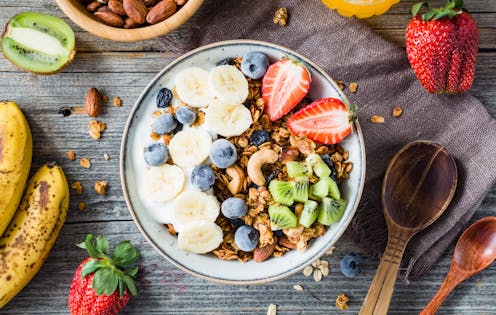
What does it mean to be better nourished? Eating real whole foods – fruits and vegetables, nuts, legumes, fish and healthy fats and reducing the intake of ultra-processed foods.
2. Exercise
Being physically fit adds years to your life - and quality of life. High cardiorespiratory (lung and heart) fitness is also associated with less respiratory illness, and better survival from such illnesses.
How do you get fit? Set aside time and prioritise walking at a minimum, and more vigorous activity if possible, every day. Ideally, you would get outside and be with important others. The more the better, as long as you are not overdoing it for your individual fitness level.
3. Stress
Stress impairs our immunity. It disrupts the regulation of the cortisol response which can suppress immune function. Chronic stress can decrease the body’s lymphocytes (white blood cells that help fight off infection). The lower your lymphocyte count, the more at risk you are of catching a virus.
How do we lower stress? Meditation, yoga, mindfulness, cognitive-behaviour therapy, optimising sleep and eating well can all help in mitigating the negative impact of stress on our lives. Taking additional nutrients, such as the B vitamins, and the full breadth of minerals like magnesium, iron and zinc, during times of stress has a positive impact on overall stress levels.
Read more: Sleep won't cure the coronavirus but it can help our bodies fight it
Modifying lifestyle factors won’t eliminate COVID-19 but it can reduce the risk of death and help people to recover. And these factors can be in our control if we and our governments take the initiative.
Authors: Julia J Rucklidge, Professor of Psychology, University of Canterbury

















