

Pipe Floats Enhancing Stability in Floating Hose and Pipeline Systems
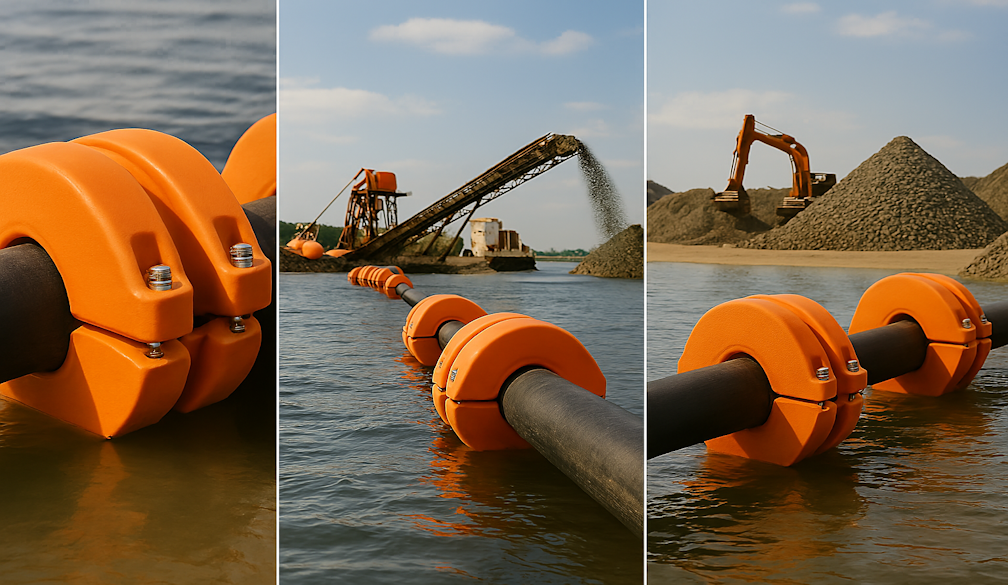
Floating pipeline systems operate in environments where movement is constant and conditions are unpredictable. Water currents, wave action, changing loads, and weather exposure all place stress on pipelines that must remain functional and aligned. Pipe floats are specifically designed to address these challenges by providing dependable buoyancy and support, allowing pipelines and hoses to stay afloat and stable throughout operation. Their role is critical in dredging, mining, and water transfer projects where uninterrupted material flow is essential.
When pipelines are unsupported, the combined weight of the pipe and the material being transported can cause sections to sink or sag. This leads to uneven stress distribution, accelerated wear, and a higher risk of failure. Pipe floats counteract these forces by lifting the pipeline and maintaining an even elevation, helping systems perform reliably over extended periods.
The Role of Buoyancy in Maintaining Pipeline Integrity
Buoyancy is not just about keeping a pipeline on the surface. It is about maintaining structural integrity across the entire system. Pipelines carrying slurry, sediment, or large volumes of water become significantly heavier once in operation. Without adequate buoyant support, this added weight increases strain on joints, couplings, and hose walls.
Pipe floats provide controlled lift that offsets the operational load of the pipeline. By evenly distributing weight, they reduce bending stress and help maintain alignment. This balanced support is especially important in long pipeline runs where even minor sagging can disrupt flow and increase wear at connection points.
Design Features That Support Reliable Performance
Pipe floats are engineered using high-density, durable materials that resist water absorption and environmental degradation. Their construction ensures consistent buoyancy while remaining lightweight enough for practical handling and installation. Many designs feature a split or modular structure, allowing floats to be installed around existing pipelines without dismantling the system.
The outer surface of pipe floats is built to withstand harsh conditions, including prolonged exposure to sunlight, saltwater, and abrasive environments. Secure fastening mechanisms keep the floats firmly in place, preventing movement along the pipeline during operation. This design stability supports reliable long-term use in demanding industrial settings.
Applications in Dredging and Water-Based Projects
Dredging operations rely heavily on pipe floats to support pipelines that transport sand, sediment, and slurry across rivers, lakes, and coastal waters. In these applications, pipelines must remain afloat and correctly aligned to ensure consistent material flow. Pipe floats provide the buoyancy needed to keep pipelines stable despite constant movement caused by water currents and wave action.
Water management and marine construction projects also benefit from pipe floats. Pipelines used for water transfer, dewatering, or temporary bypass systems often cross open water or soft ground. Pipe floats help maintain elevation and accessibility, making it easier to monitor pipeline condition and perform maintenance when required.
Use of Pipe Floats in Mining Operations
Mining sites frequently use pipe floats for tailings transfer and water circulation systems. When pipelines cross tailings ponds, dams, or uneven terrain, floats help prevent sections from sinking or dragging along the ground. This support reduces wear on hoses and fittings and helps maintain consistent flow rates.
In remote mining locations, where access for repairs may be limited, the reliability provided by pipe floats is particularly valuable. By reducing mechanical stress and extending the lifespan of pipeline components, floats help minimise maintenance requirements and operational disruptions.
Optimising Performance Through Proper Float Placement
The effectiveness of pipe floats depends greatly on correct placement and spacing along the pipeline. Floats that are spaced too far apart may allow sagging, while overly close spacing can add unnecessary cost without improving performance. Proper spacing ensures even weight distribution and minimises stress on the pipeline.
Engineers typically determine float spacing based on pipeline diameter, material density, and operating conditions. By aligning float placement with system requirements, operators can achieve stable alignment and smooth flow throughout the pipeline network.
Installation Practices That Influence System Stability
Correct installation is essential to achieving the full benefits of pipe floats. Floats must be securely fastened to prevent shifting during operation, particularly in environments with strong currents or frequent movement. Alignment during installation ensures the pipeline follows its intended route and maintains a consistent elevation.
Modern pipe float designs prioritise ease of installation and adjustment. Many systems allow for quick attachment and removal, reducing downtime during setup or maintenance. This flexibility is especially useful in projects where pipeline layouts may change over time.
Maintenance and Long-Term Durability
Pipe floats are generally low-maintenance components, but periodic inspection helps ensure continued performance. Visual checks can identify surface damage, cracks, or loose fastenings that may affect buoyancy or stability. Addressing these issues early helps prevent larger problems that could impact the pipeline system.
High-quality pipe floats are designed to withstand long-term exposure to challenging environments. With routine monitoring and proper handling, they can deliver reliable service across multiple projects and operating cycles.
Safety and Environmental Considerations
Stable floating pipelines are essential for maintaining safe working conditions. Unstable or submerged pipelines can pose hazards to personnel and equipment, especially in water-based operations. Pipe floats help keep pipelines visible and properly positioned, reducing the risk of accidents during operation and maintenance.
By minimising stress on hoses and connections, pipe floats also reduce the likelihood of leaks or spills that could harm surrounding environments. This added protection supports safer and more responsible industrial operations.
Long-Term Benefits of Pipe Floats in Floating Pipeline Systems
Pipe floats may appear to be a simple accessory, but their contribution to system reliability is significant. By providing buoyancy, alignment, and protection, they enable pipelines to operate effectively in challenging conditions. Properly selected and installed pipe floats help extend the life of hoses and fittings while reducing maintenance and downtime.
As industries continue to expand operations across water-based and remote environments, the importance of dependable buoyancy solutions will only increase. Pipe floats offer a proven and practical way to support floating pipelines, delivering stability, efficiency, and long-term operational confidence.


















