Pizza Brisbane City: Your Ultimate Guide to Finding the Perfect Slice in the CBD
- Written by: Modern Australian
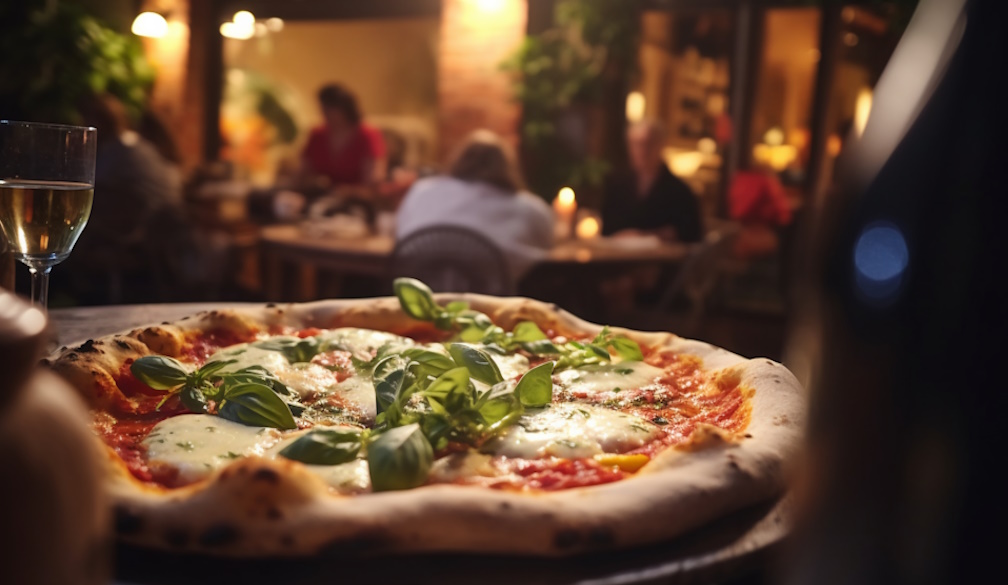
Brisbane's city centre has evolved into a vibrant culinary destination, and nowhere is this transformation more evident than in its thriving pizza scene. From traditional wood-fired Neapolitan styles to innovative contemporary creations, the CBD offers an impressive array of options for pizza lovers. Whether you're a city worker seeking a quick lunch, a theatre-goer planning a pre-show dinner, or a visitor exploring Brisbane's dining landscape, understanding where to find exceptional pizza brisbane city helps ensure every meal is memorable.
The Evolution of Brisbane City's Pizza Scene
From Basic to Brilliant
Brisbane's CBD pizza culture has undergone a remarkable transformation over the past two decades. What once consisted primarily of chain outlets and basic takeaway options has evolved into a sophisticated dining scene featuring authentic Italian pizzerias, artisan pizza makers using premium local ingredients, innovative fusion concepts blending cuisines, dedicated wood-fired pizza specialists, and craft pizza bars pairing pies with local beers and wines.
This evolution reflects Brisbane's broader culinary maturation and the city's growing appreciation for quality, authenticity, and innovation in food.
The Italian Influence
Brisbane's significant Italian community has profoundly influenced the city's pizza scene. Many of the CBD's finest pizzerias are operated by Italian families bringing generations of knowledge, using traditional techniques and recipes passed down through families, importing key ingredients from Italy (flours, tomatoes, cheeses), maintaining authentic cooking methods (wood-fired ovens, specific temperatures), and creating genuine Italian dining atmospheres.
This authentic Italian presence ensures Brisbane city offers pizza experiences rivalling those found in Italy itself.
Contemporary Australian Touches
Whilst honouring Italian traditions, Brisbane's pizza makers also embrace local ingredients and Australian culinary creativity. This includes showcasing Queensland produce (locally grown tomatoes, herbs, vegetables), featuring Australian proteins (kangaroo, crocodile, premium Australian meats), incorporating native ingredients in innovative ways, adapting to Australian dining preferences and portion expectations, and creating seasonal menus reflecting local harvest cycles.
This blend of Italian tradition with Australian innovation creates a unique Brisbane pizza identity.
What Makes Great Pizza
The Foundation: Dough Quality
Exceptional pizza begins with superior dough. Quality indicators include proper fermentation (slow, cold fermentation developing flavour and texture), appropriate flour selection (often Italian tipo 00 or quality bread flour), correct hydration levels (creating the right texture and chew), skilled hand-stretching (machines cannot replicate artisan techniques), and resting time allowing gluten development.
The dough's quality fundamentally determines pizza excellence—everything else builds on this foundation.
The Perfect Sauce
Pizza sauce seems simple but requires careful preparation. Traditional approaches use San Marzano or similar quality tomatoes, minimal seasoning (tomatoes, salt, sometimes basil or oregano), no cooking before application (the oven does the work), proper consistency (not too watery or thick), and balanced acidity and sweetness.
The best pizza makers understand that sauce should complement, not overpower, other elements.
Cheese Selection and Application
Mozzarella dominates pizza cheese selection, but quality varies enormously. Premium pizzerias use fresh mozzarella di bufala (buffalo mozzarella) for authentic Neapolitan styles, fior di latte (cow's milk mozzarella) as an excellent alternative, proper drainage (excess moisture creates soggy pizza), appropriate distribution (not too much or too little), and complementary cheeses (parmesan, pecorino, gorgonzola) used judiciously.
Cheese quality and application technique separate exceptional pizza from mediocre attempts.
Wood-Fired vs Conventional Ovens
Cooking method significantly impacts pizza character. Wood-fired ovens provide extremely high temperatures (around 450°C), rapid cooking (60-90 seconds for Neapolitan pizza), distinctive smoky flavour, characteristic leopard-spotting on crust, and traditional authenticity.
Conventional pizza ovens, whilst capable of excellent results, typically operate at lower temperatures requiring longer cooking times, produce different crust characteristics, and lack the subtle smokiness of wood-fired cooking.
Many Brisbane city pizzerias invest in authentic wood-fired ovens, demonstrating their commitment to quality.
Popular Pizza Styles in Brisbane City
Neapolitan Pizza
Authentic Neapolitan pizza adheres to strict traditional standards. Characteristics include thin centre with puffy, charred crust edges (cornicione), simple toppings (often just tomato, mozzarella, basil for Margherita), soft, pliable texture (eaten with knife and fork), cooking in wood-fired ovens at 450°C+ for 60-90 seconds, and adherence to Associazione Verace Pizza Napoletana guidelines (for certified pizzerias).
Neapolitan pizza represents the pinnacle of Italian pizza tradition, and several Brisbane city establishments execute this style brilliantly.
Roman-Style Pizza
Roman pizza differs notably from Neapolitan style. Features include thinner, crispier base throughout, often sold by weight (pizza al taglio) from rectangular trays, more generous topping quantities, crunchier texture throughout, and slightly longer cooking times at moderate temperatures.
Roman-style pizza suits those preferring crispy bases over soft, chewy Neapolitan textures.
Contemporary Australian Pizza
Australian pizza makers have developed distinctive styles incorporating larger sizes (Americans and Australians prefer bigger pizzas than Italians), creative topping combinations beyond Italian classics, fusion elements (Asian-inspired, native ingredients), crispier bases appealing to Australian preferences, and generous topping quantities.
These pizzas honour Italian foundations whilst embracing local tastes and ingredients.
Gourmet and Artisan Varieties
Brisbane's city pizzerias increasingly offer gourmet options featuring premium ingredients (truffle, prosciutto di Parma, burrata), unusual flavour combinations, seasonal specials highlighting fresh produce, vegetarian and vegan innovations, and artistic presentation.
These creative pizzas demonstrate culinary ambition beyond traditional offerings.
Best Pizza Options for Different Occasions
Quick Business Lunches
City workers need efficient lunch options without sacrificing quality. Ideal characteristics include speedy service (15-20 minute turnarounds), convenient CBD locations, by-the-slice options for solo diners, takeaway packaging for eating at desks, and lunch specials offering value.
Several Brisbane city pizzerias cater specifically to the business lunch crowd with streamlined service and strategic locations.
Casual Dinners
Relaxed evening meals require different considerations than rushed lunches. Look for comfortable seating and atmosphere, full pizza menu access, reasonable wait times without rushing, licensed premises offering wine and beer, and locations suitable for conversation.
Brisbane's city offers numerous pizzerias perfect for casual dining with friends or family.
Pre-Theatre and Event Dining
When attending performances or events in Brisbane's city cultural precinct, timing is crucial. Considerations include proximity to venues (QPAC, Concert Hall, theatres), guaranteed service within time constraints, reservation availability, quality justifying the occasion, and efficient payment processes.
Savvy diners book tables strategically, allowing time for relaxed meals before events without rushing.
Takeaway and Delivery
Sometimes the best pizza experience happens at home. Quality takeaway services provide packaging maintaining pizza quality during transport, accurate delivery timeframes, hot arrival (thermal bags, efficient routing), online ordering convenience, and transparent pricing including delivery fees.
Brisbane city's pizza options increasingly accommodate the growing demand for quality delivery and takeaway.
Special Celebrations
Marking special occasions requires elevated experiences. Celebratory pizza dining includes private dining areas for groups, special occasion pricing (tasting menus, group packages), premium wine lists, attentive service befitting celebrations, and atmospheric settings creating memorable experiences.
Several Brisbane city pizzerias offer private function spaces and special occasion services.
What to Look for in a Brisbane City Pizzeria
Authenticity Indicators
Genuine quality pizzerias display certain characteristics. Authentic indicators include visible wood-fired ovens, Italian staff or ownership, Italian language on menus and signage, imported Italian ingredients, traditional pizza names and offerings, and certification from Italian pizza associations.
These elements suggest commitment to authentic pizza-making traditions.
Ingredient Quality and Sourcing
Premium pizzerias prioritise ingredient excellence. Quality indicators include clearly stated ingredient sources, seasonal menu variations, house-made components (dough, sauces), premium cheese varieties specifically named, evidence of local produce partnerships, and transparent descriptions of toppings.
The best establishments proudly discuss their ingredients, knowing quality speaks for itself.
Atmosphere and Ambience
Physical environment significantly impacts dining experiences. Positive atmospheric elements include authentic Italian décor (without kitsch), appropriate noise levels for conversation, comfortable seating arrangements, cleanliness and maintenance, suitable lighting for dining, and staff creating welcoming environments.
Great pizza deserves appropriate settings enhancing the overall experience.
Service Quality
Excellent service elevates good pizza to memorable dining experiences. Service standards include knowledgeable staff explaining menu options, appropriate attentiveness (present but not intrusive), accommodation of dietary requirements, efficient order processing and delivery, and genuine hospitality and warmth.
The best Brisbane city pizzerias understand that service quality equals food quality in importance.
Dietary Considerations and Options
Vegetarian Pizza Choices
Vegetarian diners find abundant options in Brisbane city. Traditional choices include Margherita (tomato, mozzarella, basil), Marinara (tomato, garlic, oregano, no cheese), Vegetariana (various seasonal vegetables), Capricciosa (artichokes, mushrooms, olives), and Quattro Formaggi (four cheese varieties).
Many pizzerias create innovative vegetarian options beyond traditional choices, showcasing seasonal produce creativity.
Vegan Pizza Options
The growing vegan community increasingly finds quality options. Vegan considerations include dairy-free cheese alternatives (cashew-based, commercial vegan mozzarella), vegetable-forward toppings, quality olive oil replacing cheese in some preparations, explicitly vegan menu sections, and knowledgeable staff understanding vegan requirements.
Progressive Brisbane city pizzerias recognise and accommodate vegan diners with dedicated menu options.
Gluten-Free Alternatives
Coeliac disease and gluten sensitivity affect many diners. Quality gluten-free offerings feature dedicated gluten-free bases (not mere afterthoughts), separate preparation areas preventing cross-contamination, clear menu labelling and staff knowledge, comparable quality to regular pizzas, and reasonable pricing reflecting actual costs.
Reputable establishments take gluten-free requirements seriously, understanding health implications beyond mere preference.
Addressing Food Allergies
Beyond gluten, various allergies require accommodation. Quality pizzerias demonstrate transparent ingredient disclosure, willingness to modify dishes accommodating allergies, staff training on allergen awareness, separate preparation protocols where necessary, and taking allergy concerns seriously.
Always communicate allergies clearly when ordering, and patronise establishments treating these requirements with appropriate gravity.
Pairing Pizza with Drinks
Wine Selections
Wine enhances pizza dining experiences significantly. Pairing principles include Italian wines naturally complementing Italian pizza (Chianti, Sangiovese, Barbera), crisp whites cutting through rich toppings (Pinot Grigio, Vermentino), light reds matching tomato-based pizzas, sparkling wines (Prosecco) providing palate cleansing, and considering topping intensity when selecting wines.
Quality Brisbane city pizzerias maintain thoughtful wine lists specifically curated for pizza pairings.
Craft Beer Options
Australia's craft beer revolution pairs beautifully with pizza. Beer pairing considerations include hoppy IPAs contrasting rich, fatty toppings, crisp lagers refreshing the palate, wheat beers complementing lighter pizzas, dark beers matching heartier meat pizzas, and local Brisbane craft breweries featured prominently.
Many pizzerias collaborate with local breweries, creating special partnerships and exclusive offerings.
Non-Alcoholic Options
Not every meal includes alcohol. Quality non-alcoholic choices include Italian sodas (aranciata, limonata), specialty house-made lemonades, sparkling water (still and sparkling), quality coffee programs, and creative mocktails.
Excellent establishments provide non-drinkers with interesting, quality beverage options beyond standard soft drinks.
Navigating Brisbane City for Pizza
CBD Location Advantages
Dining in Brisbane's CBD offers numerous benefits including accessibility via public transport (trains, buses, ferries), walkability to multiple venues allowing choice, proximity to workplaces for convenient lunches, central location for groups coming from various areas, and connection to entertainment and cultural venues.
The city's compact nature makes exploring different pizzerias convenient and enjoyable.
Parking and Access Considerations
Whilst CBD dining offers advantages, parking requires planning. Considerations include evening and weekend parking rates (often reduced), parking station locations relative to restaurants, time limits on street parking, validation programs some restaurants offer, and public transport as viable alternatives.
Planning parking ahead prevents stress and enhances dining experiences.
Best Times to Visit
Timing significantly affects dining experiences. City pizzerias typically experience lunch rushes (12:00-1:30pm weekdays), pre-theatre dinner rushes (5:30-7:00pm), quieter periods (early dinners, late lunches) offering better availability, weekend variations (some close Sundays, others busiest then), and booking advantages for popular times.
Flexibility in timing or advance reservations ensure optimal experiences.
Supporting Local Brisbane Pizza Businesses
The Importance of Independent Pizzerias
Independent pizzerias contribute significantly to Brisbane's character. Benefits of supporting independents include preserving culinary diversity and authenticity, keeping money in local economy, encouraging innovation and quality, maintaining personal service and relationships, and creating unique city character beyond chain homogeneity.
Choosing independent establishments over chains strengthens Brisbane's distinctive culinary identity.
Sustainable and Ethical Considerations
Conscious diners increasingly value sustainability. Progressive pizzerias demonstrate local ingredient sourcing reducing food miles, sustainable seafood and ethical meat sourcing, minimal waste practices and composting, reduced packaging for environmental impact, and fair treatment and wages for staff.
Supporting establishments with ethical practices aligns dining choices with personal values.
Engaging with Brisbane's Food Community
Pizza appreciation extends beyond individual meals. Engagement opportunities include following favourite pizzerias on social media, participating in special events and pizza festivals, sharing reviews and recommendations, attending pizza-making classes and workshops, and joining Brisbane food and dining groups.
Active participation in the food community enriches personal experiences and supports local businesses.
The Future of Pizza in Brisbane City
Emerging Trends
Brisbane's pizza scene continues evolving. Current trends include increasing focus on fermentation and dough technique, hyper-local ingredient sourcing, low-intervention natural wines, sustainability initiatives, technological integration (ordering, payment, loyalty programs), and experiential dining (open kitchens, chef interactions).
These trends suggest Brisbane's pizza culture will continue maturing and innovating.
New Technologies and Delivery Innovation
Technology transforms pizza service. Innovations include sophisticated delivery platforms, temperature-controlled delivery vehicles, packaging innovations maintaining quality, virtual kitchens and ghost restaurants, and ordering AI and chatbots.
Whilst technology enhances convenience, the best pizzerias maintain focus on fundamental quality.
Tips for Pizza Enthusiasts
Exploring Beyond Your Usual Choice
Culinary adventure enriches life. Exploration strategies include trying different pizza styles (Neapolitan, Roman, contemporary), ordering unfamiliar toppings, visiting new establishments regularly, asking staff for recommendations, and embracing seasonal specials.
Openness to new experiences often leads to discovering unexpected favourites.
Understanding Pizza Terminology
Familiarity with terms enhances ordering confidence. Key terms include Margherita (tomato, mozzarella, basil), Marinara (tomato, garlic, oregano), Napoletana (tomato, mozzarella, anchovies, oregano), Capricciosa (ham, mushrooms, artichokes, olives), Quattro Stagioni (four sections representing seasons), Diavola (spicy salami), Prosciutto e Funghi (ham and mushrooms), and Bianca (white pizza, no tomato sauce).
Understanding these terms helps navigate Italian menus confidently.
Making Reservations
For popular pizzerias, reservations prevent disappointment. Booking strategies include calling during off-peak hours (mid-afternoon), booking well ahead for weekend evenings, being flexible with times if possible, confirming reservations day-of, and understanding cancellation policies.
Respecting reservation systems helps establishments manage service quality for all diners.
Conclusion
Brisbane's city centre has truly come of age as a pizza destination. From authentic Neapolitan pizzerias honouring centuries-old traditions to innovative contemporary establishments pushing culinary boundaries, the CBD offers remarkable variety for pizza enthusiasts. Whether you're seeking a quick lunch between meetings, planning a special celebration, or simply indulging your love of quality pizza, Brisbane city delivers exceptional options.
The key to maximising your pizza experiences lies in exploration and openness. Don't limit yourself to familiar choices or chain establishments. Venture into independent pizzerias, try different styles, ask questions, and allow passionate pizza makers to guide your journey. Each pizzeria has its own story, traditions, and specialties worth discovering.
Brisbane's pizza scene reflects broader trends in Australian dining—respect for tradition combined with willingness to innovate, commitment to quality ingredients, and recognition that great food brings people together. In our increasingly busy lives, sharing pizza with friends, family, or colleagues provides simple yet profound pleasure. The best pizza experiences combine excellent food with genuine hospitality, comfortable environments, and the joy of breaking bread together.
So next time you're in Brisbane's CBD and pizza calls, look beyond the obvious choices. Seek out the wood-fired ovens, the Italian accents, the aromatic basil and bubbling mozzarella. Support the independent establishments crafting exceptional pizzas with skill, passion, and pride. Your taste buds—and Brisbane's culinary community—will thank you.