

Why Asbestos Removal Is Crucial for Public Health in Newcastle
- Written by: Modern Australian
Have you ever wondered how your homes or how those structures were made before? Well, in the mid-20th century, builders relied heavily on materials like cement, insulation, and roofing to erect houses and buildings. The process often involved mixing various components and notably incorporating asbestos to enhance durability and fire resistance.
But are we sure that these materials are safe for us? Asbestos, a naturally occurring mineral, may seem harmless in its natural state, but its potential danger to public health cannot be underestimated. It's crucial to delve deeper into the subject to fully grasp the risks associated with exposure to this material.
Today, we'll explore its definition and origin, its uses, the complexity of its removal, and how professional services ensure safe removal, all while providing valuable insights into this important subject.
Definition And Origin
Let's begin by understanding what it is and where it comes from. Asbestos is a group of naturally occurring minerals composed of thin, microscopic fibres. These fibres are resistant to heat, fire, and chemicals, which made it a popular choice for various applications.
Its history can be traced back thousands of years when it was used for its remarkable properties, such as fire resistance and durability. Its name even originates from the Greek word "asbestos," which means "inextinguishable." Over time, the use of this material evolved, and it became a common ingredient in construction and industrial materials.
The widespread adoption of this material was primarily due to its affordability and exceptional insulating properties.
Description and Uses
This material comes in various forms, and its versatility led to its widespread use. It was once a common component in construction materials, such as roofing, insulation, and floor tiles. Due to its heat-resistant properties, this material found its way into industrial equipment, car brakes, and even protective clothing.
In the construction industry, it was favoured for its ability to withstand high temperatures and its insulating properties. It was commonly used for roofing materials, creating fire-resistant structures. It was also incorporated into insulation, where its fibrous nature made it an effective heat and sound insulator.
Its fireproof qualities made it an ideal material for fireproof clothing used by firefighters and industrial workers.
Health Risks
Knowing the potential health dangers linked to exposure to this substance is essential to grasp why getting rid of it is so important for public health in Newcastle. Although this substance might seem harmless, it can pose significant health risks when it becomes damaged or deteriorates.
Its fibres, when released into the air, can be easily inhaled or ingested without one even realising it. These microscopic fibres can penetrate deep into the lungs and remain there for extended periods. Over time, exposure to this material can lead to various serious health conditions.
-
Mesothelioma
One of the most well-documented asbestos-related illnesses is mesothelioma, a rare and aggressive form of cancer that affects the lining of the lungs, abdomen, or heart. This devastating disease often manifests decades after initial exposure, making early diagnosis and treatment challenging. To learn more about this disease, check this out: https://www.healthdirect.gov.au/mesothelioma
The aggressive nature of mesothelioma highlights the importance of avoiding contact with this dangerous substance.
-
Lung-Related Issues
Apart from mesothelioma, exposure to this substance can also lead to other lung-related issues. Asbestosis, a chronic lung disease, results from prolonged inhalation of this material’s fibres. This condition causes the formation of scar tissue in the lungs, leading to symptoms like shortness of breath, persistent coughing, and chest tightness.
Strikingly, these symptoms may not become apparent until several years or even decades after the initial exposure, making early diagnosis challenging. In severe cases, asbestosis can progress to respiratory failure, a life-threatening condition that often necessitates immediate medical intervention, including oxygen therapy or lung transplantation.
Numerous studies have demonstrated an increased risk of lung cancer among individuals exposed to asbestos fibres, particularly if they also smoke.
-
Pleural Plaques
Additionally, exposure to this material can result in pleural plaques (learn more), which are thickened areas of the lung lining, and pleural effusion, the accumulation of fluid in the pleural space. While these conditions may not always be life-threatening, they signify significant health concerns.
These health dangers highlight the need for its removal and keeping public health safe by getting rid of this hidden danger. The extended period before asbestos-related diseases become evident emphasises the necessity for taking action in advance.
By dealing with these issues without delay, we can shield the health and happiness of present and future generations, guaranteeing a more secure and healthier environment for everyone.
Navigating the Complexity of Asbestos Removal with Newcastle Asbestos Services
Asbestos removal is not a straightforward task. It requires specialised knowledge, equipment, and stringent safety measures. Newcastle asbestos service providers understand the complexities involved and offer expert assistance in handling these issues. They have a deep understanding of the local regulations and guidelines regarding its removal.
The removal process starts with a comprehensive inspection to identify asbestos-containing materials (ACMs). Once identified, a qualified team takes measures to ensure the safety of all involved. This includes creating enclosed areas to prevent the fibres from escaping into the air.
Strict protocols are followed to minimise any risks associated with its removal. The removal process can be complicated, often involving encapsulation or complete removal, depending on the specific circumstances.
How Newcastle Asbestos Services Ensure Safe and Effective Removal
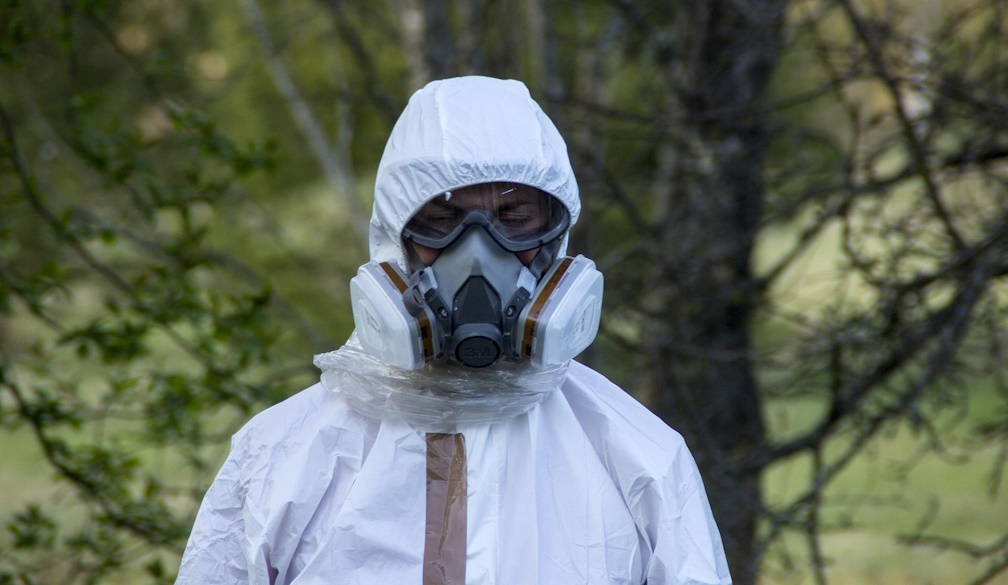
Understanding the risks involved, service providers of Newcastle asbestos services prioritise safety above all else. Their highly trained professionals follow strict protocols to ensure the safe removal of the harmful mineral. From thorough inspections and testing to containment and disposal, every step is meticulously executed to protect both workers and the public.
Their expertise extends to the proper disposal of material waste. Asbestos-containing materials are carefully sealed and transported to authorised disposal sites, ensuring that they pose no further risk to public health.
This approach guarantees that the harmful material is not merely relocated but effectively eliminated from the environment. Moreover, the team also conducts thorough post-removal inspections to confirm that the area is asbestos-free and safe for habitation.
Conclusion
In conclusion, asbestos may have once been a valuable material, but its adverse health effects are undeniable. Removing it is important to ensure health safety. With the help of experts, we can tackle this problem effectively, making our environment safer and healthier for all.
Removing it is not just a matter of compliance; it's a step towards a safer and healthier future. Don't let the silent threat of this dangerous substance compromise public health. Reach out to experts, and together, we can make our places asbestos-free and safer for all.




















