

More people die in winter than summer, but climate change may see this reverse
- Written by Ivan Charles Hanigan, Data Scientist (Epidemiology), University of Sydney
Climate change not only poses enormous dangers to the planet, but also harms human health. In our study published today, we show some of the first evidence climate change has had observable impacts on Australians’ health between 1968 and 2018.
We found long-term heating is associated with changed seasonal balance of deaths in Australia, with relatively more deaths in summer months and relatively fewer deaths in winter months over recent decades.
Our findings can be explained by the gradual global warming associated with climate change. Over the 51 years of our study, annual average temperatures increased by more than 1°C in Australia. The last decade (2011 to 2020) was the hottest in the country’s recorded history.
If we continue on this trajectory, we’re likely to see many more climate-related deaths in the years to come.
What we did and found
Using the Australian Institute of Health and Welfare, the Australian Bureau of Statistics and other sources, we gathered mortality data for people aged 55 and over between 1968 and 2018. We then looked at deaths in summer compared to winter in each year.
We found that in 1968 there were approximately 73 deaths in summer for every 100 deaths in winter. By 2018, this had risen to roughly 83 deaths in summer for every 100 deaths in winter.
The same trend, albeit of varying strength, was evident in all states of Australia, among all age groups over 55, in females and males, and in the three broad causes of death we looked at (respiratory, heart and renal diseases).
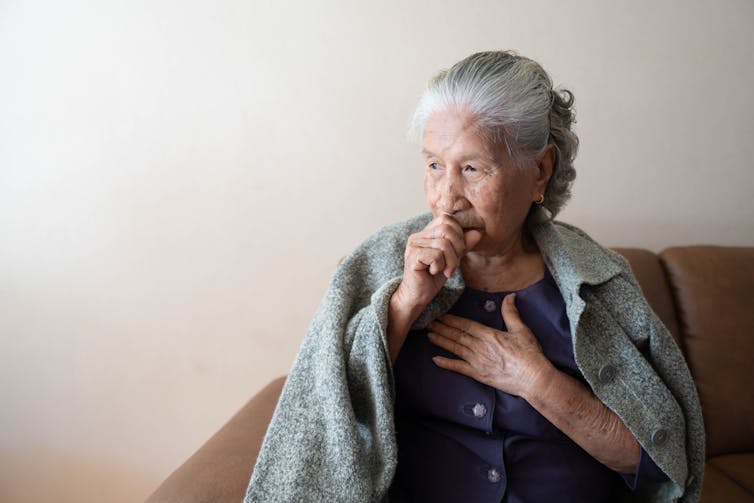 Historically, winter death rates have tended to be higher than in summer. But this is changing as our planet warms.
Shutterstock
Historically, winter death rates have tended to be higher than in summer. But this is changing as our planet warms.
Shutterstock
Hot and cold weather can have a variety of direct and indirect effects on our health. Winter death rates generally exceed those in summer months because infectious diseases, like influenza, tend to circulate more in winter. Meanwhile, heat stress can exacerbate chronic health conditions including heart disease and kidney disease, particularly for older adults.
But the gap between cold-related deaths and heat-related deaths appears to be narrowing. And when we compared deaths in the hottest summers with the coldest winters, we found particularly warm years increase the likelihood of seasonal mortality ratios approaching 1 to 1 (meaning equal deaths in summer and winter).
With summers expected to become hotter, we believe this is an early indication of the effects of climate change in the future.
Read more: Too hot, heading south: how climate change may drive one-third of doctors out of the NT
Our research is unique
Globally, our study is one of very few that directly shows the health impacts of climate change. Most other studies examine the effects of past weather or climate conditions on health and extrapolate these into the future based on projected climate change scenarios, with associated uncertainties. For example, demographic characteristics of the population are likely to change over time.
Climate change occurs slowly, so typically, we need at least 30–50 years of records to accurately show how climate change is affecting health. Suitable health information is seldom available for such periods due to a variety of challenges in collecting electronic health data (especially in low- and middle-income countries).
Further, long-term health trends can be influenced by numerous non-climate related factors, such as improvements in health care.
In our study, we used Australian mortality records that have been collected with remarkable consistency of detail and quality over the last half century. And by focusing on the ratio of summer to winter deaths within each year, we avoid possible confounding associated with, say, improvements to health care.
Read more: Seriously ugly: here's how Australia will look if the world heats by 3°C this century
However, we were unable to consider some issues such as the different climate trends in small areas within each state/territory, or the effects of changing temperatures on different occupation groups, such as construction workers.
Our data also don’t allow us to account for the possible effects of people’s adaptation to warmer temperatures in the future.
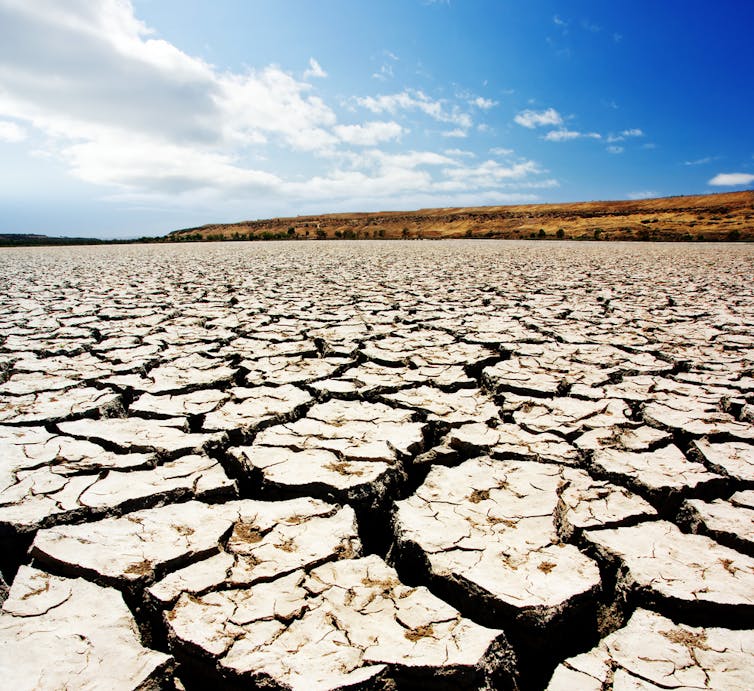 Summer deaths will almost certainly increase in the years to come.
Shutterstock
Summer deaths will almost certainly increase in the years to come.
Shutterstock
Looking ahead
The changing ratio of summer to winter deaths has previously been identified as a possible warning sign of the impact of climate change on human health.
In one study on the topic, the authors found Australia may initially experience a net reduction in temperature-related deaths. That is, increased deaths from heat during summer would be offset by fewer deaths in winter, as winters become more mild.
However, they predict this pattern would reverse by mid-century under the business-as-usual emissions scenario, with increases in heat-related deaths outweighing decreases in cold-related deaths over the long term.
Our findings support these worrying predictions. If warming trends continue, it’s almost certain summer deaths will increase, and come to dominate the burden of temperature-related deaths in Australia.
We found the speed of change in the ratio of summer to winter deaths was fastest in the hottest years within each decade. This strengthens our conclusion we’re observing an effect of long-term climate change.
Read more: The rise of 'eco-anxiety': climate change affects our mental health, too
Besides helping to answer the question, “does climate change affect human health?”, we believe our findings should inform planning for climate change mitigation and adaptation. The implications are considerable for the planning of hospital services and provision of health care, as well as for emergency services, housing, energy supply, holiday periods and bushfire disaster preparedness.
Authors: Ivan Charles Hanigan, Data Scientist (Epidemiology), University of Sydney

















