a critical turning point in First Nations authority over land management
- Written by Kado Muir, Chair of National Native Title Council and Ngalia Cultural Leader, Indigenous Knowledge
In May 2020, Rio Tinto blasted two rock shelters at Juukan Gorge in the Pilbara as part of its operations to feed an insatiable global appetite for iron ore.
Some 46,000 years of Puutu Kunti Kurrama and Pinikura people’s spiritual and cultural connections to Juukan Gorge were shaken with a detonation. The shockwaves also resounded globally. People took to social media and the streets to voice their anger at the actions of Rio Tinto.
While the final report of the Juukan Gorge inquiry is yet to be released, interim findings suggest the inquiry has the potential set a new precedent for legal codes to align with ethical standards for Aboriginal land management.
These outcomes are reflective of a shift in the balance of authority in Australia — and this shift is tilting towards Aboriginal people.
Read more: Juukan Gorge inquiry puts Rio Tinto on notice, but without drastic reforms, it could happen again
The Juukan Gorge tragedy: ‘never again’
Despite shareholders and stakeholders deeming the blast unconscionable, these destructive actions by Rio Tinto were legal under Section 18 of the Western Australia Aboriginal Heritage Act of 1972.
While the act was designed to protect sites of cultural significance to Aboriginal people, it hasn’t prevented their destruction.
The Juukan Gorge is “of the highest archaeological significance in Australia.” Over 7,000 artefacts have been discovered in the rock shelters, including a 4,000-year-old belt made from the human hair of the direct ancestors of the current Traditional Owners.
Rio Tinto was aware of the living cultural value of the rock shelters to the Puutu Kunti Kurrama and Pinikura people, “but blew it up anyway”.
Three senior executives responsible for this decision resigned from their jobs in the aftermath of the blast, including the chief executive.
The “Never Again” national inquiry was subsequently held and Rio Tinto was ordered to provide compensation to the Puutu Kunti Kurrama and Pinikura people.
A critical turning point in First Nations authority over land
We are witnessing a turning point in the control and management of Aboriginal lands and the flow of benefits from these lands. For Indigenous people, land is central to self-determination.
Indigenous people are part of their traditional lands and draw nourishment from them. Control of their lands is also key to the economic flourishing of Indigenous people.
This turning point is being driven by regulatory changes — such as the recommendations from the Juukan Gorge inquiry — as well as shifts in environmental and social governance, growing economic independence, and increased Indigenous representation in parliaments.
Regulatory changes in environmental and social governance
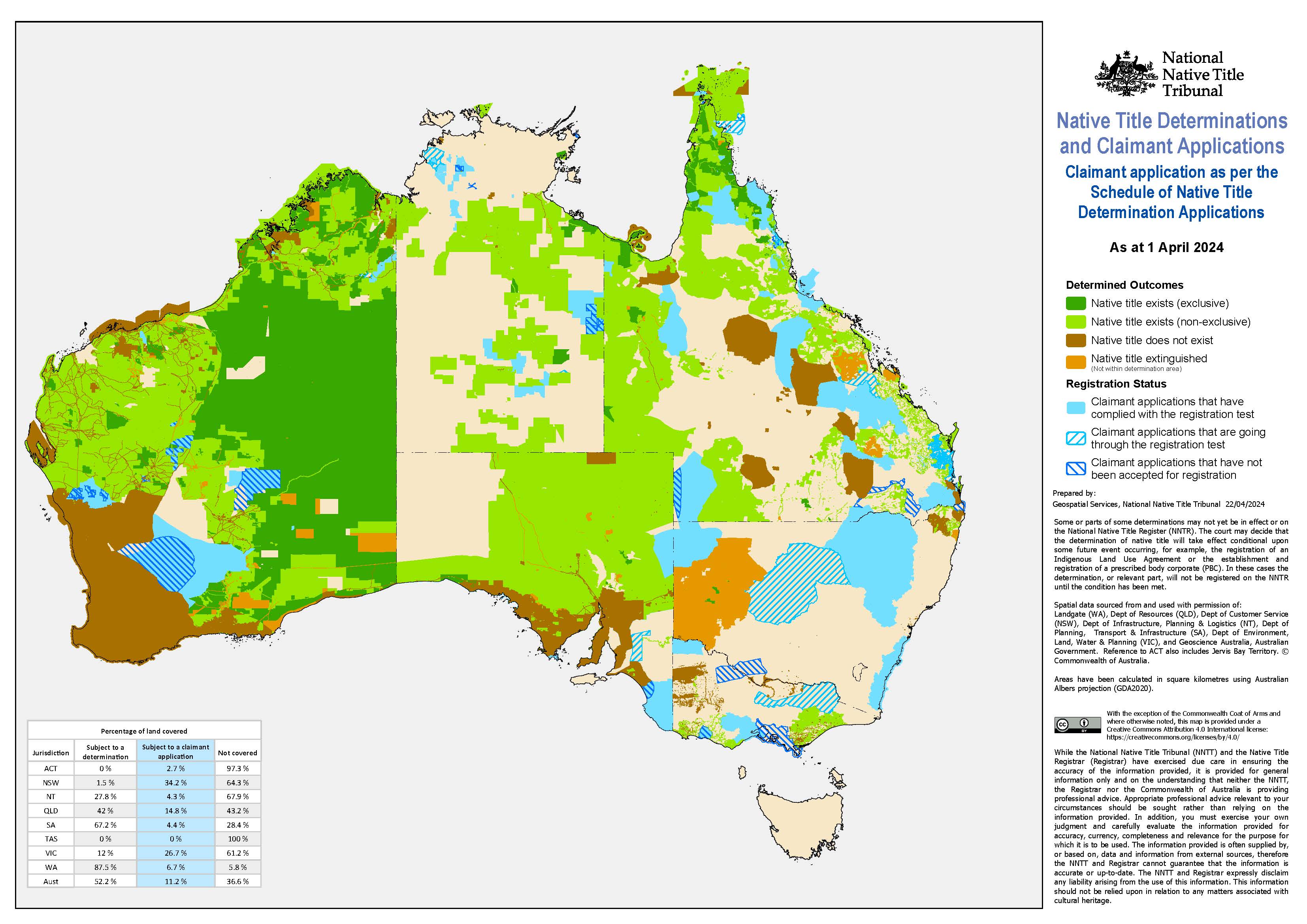
Australia is moving towards 80–90% of its land mass being under Native Title and Land Rights claims and agreements.
The recommendations of the “Never Again” report for stronger protections and informed consent hold significant implications for the governance of these lands. Shifting custodianship of land and water back into the hands of Indigenous Traditional Owners allows them to receive equal share of the benefits from the resources extracted from their lands.
The rise of environmental and social governance globally is further supporting the shift in authority back to Indigenous custodians of the land.
In addition, the global march towards zero-carbon emissions is creating a flow of capital towards markets that meet carbon emissions and sustainable growth targets. This includes renewable energy and circular food production. This de-carbonisation of economies has been termed “carbonomics”.
These sustainable practices are integral to Aboriginal land management. This is why Indigenous-owned and -managed operations are informing carbonomic solutions and attracting carbonomic capital investment.
Economic independence providing hope for the future
The Australian Indigenous procurement policy has begun mandating minimum procurement targets for contracts to be awarded to Indigenous-owned businesses. This has the potential to increase Indigenous participation in local and global economies.
The growth of carbonomics also illustrates the shift towards environmental and sustainable forms of commerce that are bringing Indigenous land and water management to the forefront of business operations and leadership.
The potent combination of investment in Indigenous land management systems, the recommendations in the Indigenous procurement policy, and increasing consumer demand for Indigenous-owned goods and services, is creating the conditions for an Indigenous-business boom.
These conditions provide opportunities for economic independence and self-determination in Indigenous commerce. Indigenous entrepreneurship and businesses are being supported through initiatives such as the Dilin Duwa Centre for Indigenous Business Leadership.
Read more: Juukan Gorge: how could they not have known? (And how can we be sure they will in future?)
However, further Indigenous representation at the highest levels of government, as well as corporate, education and community sectors, is needed for Indigenous voices to be heard on a national scale.
As has been seen with the backlash from Rio Tinto shareholders, investors and the media are holding corporations and their executives accountable for their treatment of Indigenous people and their lands.
There is more work to be done to ensure all Indigenous people are central to the land and water decisions of their respective Countries.
Yet, these changes are combining to give power back to Indigenous people. First Nations people need to be rightful authorities in the control, management and beneficiaries of the land. This will pivot the narrative from pain to power.
Authors: Kado Muir, Chair of National Native Title Council and Ngalia Cultural Leader, Indigenous Knowledge