

63.5% of Australia's performing artists reported worsening mental health during COVID
- Written by Helen Rusak, Senior Lecturer, Arts Management, Edith Cowan University
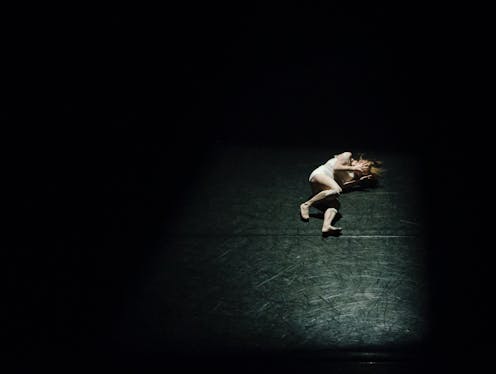
92% of performing artists experienced significant changes to their work during early stages of the pandemic – and at least half experienced depression.
These shocking figures comes from new research talking to hundreds of performing artists from across Australia.
The impact of COVID-19 was particularly devastating for performing artists because their artistic practice is highly ingrained in their identity.
The disruption to performances during lockdown led performers to re-evaluate their artistic practice, whether through having a break or reassessing their career paths.
Artists described cancellation of tours, gigs, and contracts which often happened overnight and without warning. Participants spoke of losing “27 gigs in three days” in March 2020, having a year’s worth of touring work cancelled, and not being able to find any new gigs.
In our national survey of 431 performing artists, 63.5% of the participants reported feeling their mental health worsened during the pandemic.
Mental health stressors
COVID-19 exacerbated social, economic and mental health problems long-recognised throughout the performing arts sector. In an industry that was already under the spotlight for stress and mental health, COVID-19 brought with it another test to the resilience of the industry.
In our research, we used the short form Depression Anxiety Stress Scales 21 (DASS-21), a self-reported survey which measures levels of distress, and found scores on all three subscales were elevated compared to previous findings among performing artists in 2015.
49% of participants demonstrated moderate, severe or extremely severe levels of depression; 61% demonstrated moderate, severe or extremely severe levels of anxiety; and 47% demonstrated moderate, severe or extremely severe levels of stress.
In line with these findings, almost half (47.9% of respondants) accessed mental health supports, such as psychologists and GPs.
The participants most affected by poor mental health were early career artists, freelancers and women.
Women not only faced the difficulties of COVID and related lockdowns, but also disproportionately faced the challenge of increased care responsibilities for elderly parents and children, and the distractions of working from home during lockdown.
Freelance artists often found themselves excluded from government support such as JobKeeper.
Early career artists questioned their future in the arts: their performing opportunities suddenly disappeared during lockdown, and they lost opportunities to gain new networks and build there careers. As one participant told us, “a whole year [was] just ripped away,”
that’s a year I’ll never get back, to add to my portfolio, to my connections and networks.
Ongoing stress
Difficulties weren’t just faced by individual artists. The immediate impact for performing arts organisations was a complete shock to the system.
Workload stress for managers increased with their efforts to maintain operations and recoup lost income.
Many artistic organisations are only now beginning to feel the true burden of COVID-19 and will continue to feel these impacts throughout the medium term.
As the pandemic went on through 2020 and 2021, some organisations saw two seasons’ worth of programming delayed. 2022 and beyond will see these organisations trying to play catch up, causing additional logistical work – and as Omicron is proving, there will be with further disruptions and shutdowns in the sector.
While almost half of the participants accessed mental health support during COVID-19, several barriers to seeking help were identified, such as financial constraints and a lack of available and appropriate mental health support which understood the particular stressors of working in the performing arts.
Community and resilience
Even as they were facing stress, our research found organisations acted as beacons of support for the wider performing arts community, honouring artist and employee contracts as much as possible.
In turn, arts workers reported support from audiences, donors and direct support from government was instrumental in maintaining morale and purpose for organisations.
The adaptability and resilience evidenced within the performing arts industry during COVID-19 should not be underestimated. Artists continued to create work throughout the pandemic, and even found positive outcomes from this challenging time.
Participants reported being able to rest and reset.
Time for people to take a break is important, mental health is important, hard conversations are important. But we had the time to have them, instead of “we can’t have that conversation because the show’s going on in two weeks and we’ve got to rehearse the scene.” It’s like, well, let’s stop and let’s talk about this. It was really beneficial for a lot of works that I was involved in.
For many artists, it will be a long recovery for their careers and their health. Now is the time to consider how the industry can build back stronger post-COVID: increased arts funding, low-cost or free mental health services tailored to performing artists, and encouraging everyone to experience – and support – the amazing art being made in our own backyards.
Authors: Helen Rusak, Senior Lecturer, Arts Management, Edith Cowan University

















