

Quokka-sized fossil species show kangaroos evolving to eat leaves – for the fourth time
- Written by Kenny Travouillon, Curator of Mammals, Western Australian Museum
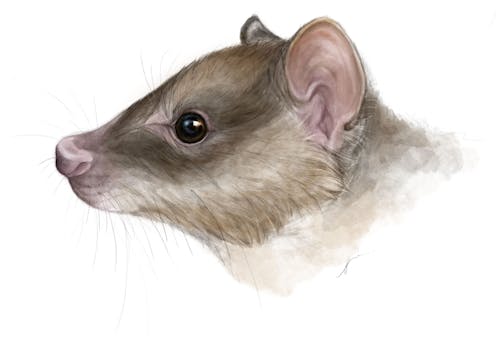
Kangaroos have such a taste for leaves that they have evolved the ability to eat them on at least four separate occasions during their evolutionary history, a new fossil discovery reveals.
Today, there are more than 60 species of kangaroos, wallabies, bettongs and rat-kangaroos living throughout Australia and New Guinea. But their diversity in time is even more incredible: just 100,000 years ago, Australia had many species of giant kangaroos, including the giant short-faced kangaroos which, bizarrely enough, didn’t hop but instead walked rather like a theropod dinosaur such as Velociraptor.
Going further back in time, to around 20 million years ago, there were plenty more interesting kangaroos, some of which were direct ancestors of today’s species. Generally, these species were no larger than a wallaby, but they were impressively diverse, including kangaroos with fangs, kangaroos that could eat meat, and more besides.
We know all this thanks to the amazing fossils discovered at Riversleigh World Heritage Area in north-western Queensland – arguably Australia’s most celebrated fossil location. So far, around 30 species of prehistoric kangaroos have been found here. And the two most recently discovered ones add another interesting twist to their evolutionary tale.
Our latest discovery, published today, names two new species of ancient kangaroos: Gumardee webbi and Gumardee keari, which lived alongside one another around 18 million years ago in the Riversleigh rainforest.
They are represented by a few partial skulls and several jaws, which can tell us a lot about the biology of these extinct animals.
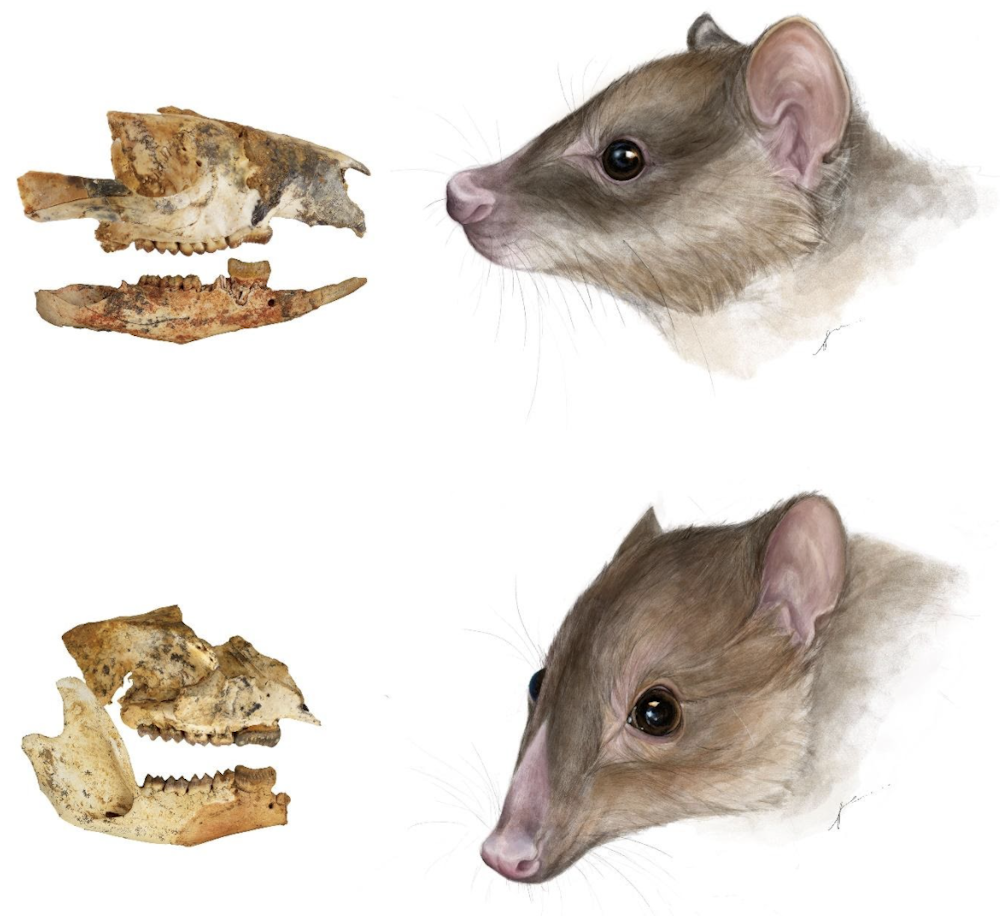
These kangaroos would each have weighed 3–4 kilograms, roughly the size of a quokka. But what’s most intriguing about them is their teeth. The pattern of blades on their molars is best suited to eating leaves from trees and bushes. This is surprising, because their ancestor, Gumardee springae, which lived around 6 million years earlier at the same location, had teeth better suited to a wider range of foods such as fruits, fungi and insects.
Two previously discovered species, Gumardee pascuali and Gumardee richi, were intermediate to these two groups, both in terms of their evolutionary age and the patterns of their teeth. This means the Riversleigh fossils, taken together, reveal the evolutionary process of kangaroos’ teeth changing and adapting to different foods.
Read more: Ancient bilby and bandicoot fossils shed light on the mystery of marsupial evolution
A taste for leaves
Remarkably, this is not the first time this has happened in the fossil record of kangaroos. In the late 1990s and early 2000s, the late palaeontologist Bernie Cooke studied Riversleigh’s kangaroos in great detail and discovered that the ancestors of modern kangaroos were generalists, eating mostly forest fruits, fungi and insects, and slowly evolved the ability to eat leaves over time.
Today, kangaroos and wallabies only eat leaves from bushes or grass, whereas rat-kangaroos, bettongs and potoroos eat fungi, fruits and insects, similar to ancient kangaroos.
He even demonstrated that another family of ancient kangaroos at Riversleigh, the fanged kangaroos, independently evolved the same ability to eat leaves at roughly the same time.
Another independent evolution of leaf-eating was also identified from fossil sites in South Australia – the third documented instance in kangaroos.
The two new species discovered at Riversleigh therefore now represent the fourth time leaf-eating has been seen to develop in the kangaroo fossil record.
Read more: Giant kangaroos were more likely to walk than hop
Competition in the rainforest
Only one of these four groups (the Riversleigh species studied by Cooke) is a direct evolutionary ancestor of today’s kangaroos and wallabies. The other three groups that pioneered leaf-eating all eventually died out: the South Australian species around 23 million years ago; the Gumardee group around 15 million years ago; and the fanged kangaroos around 10 million years ago.
The obvious questions that arises are: why did these groups all die out, and does this mean today’s kangaroos and wallabies have evolved to eat a risky and highly specialised diet?
We know their ancestors ate fruits, fungi and insects, but then again so would have many other species of marsupials, such as bandicoots and possums. In fact, there were so many of these various marsupial competitors that would have made evolutionary sense for ancient kangaroos to branch out into other foods – particularly leaves, which would have been available all year round, as opposed to seasonal fruits.
So why didn’t they survive? They weren’t the only ones evolving the ability to eat leaves at the time. It happened in possums, koalas and wombats, so the competition was tough.
We have always known Australia is a tough place to survive. Riversleigh’s fossils, which span more than 10 million years of Australia’s evolutionary history, shows just how tough it would have been.
Authors: Kenny Travouillon, Curator of Mammals, Western Australian Museum

















