

Modern Australian
The Times

Why insecure work is finally being recognised as a health hazard for some Australians

  • Written by Alexis Vassiley, Research Associate, Centre for Work and Wellbeing, Edith Cowan University
Why insecure work is finally being recognised as a health hazard for some Australians

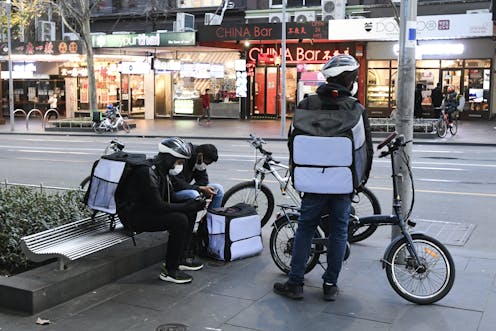
About 3 million Australian workers lack job security. An estimated 2.4 million – 20% to 25% of the total workforce – are casual workers, with no paid leave entitlements. A further 500,000 are on fixed-term contracts.

Whether you are labourer engaged by a labour hire company, a checkout operator, a ride-share driver or a university lecturer on a casual contract, job insecurity can harm both your physical and mental health.

In an Australian first, Western Australia has formally recognised this in its new Code of Practice on Psychosocial Hazards in the Workplace, which provides practical guidance on how WA workplaces can comply with their duties under the state’s Occupational Safety and Health Act 1984

A psychosocial hazard refers to any social and organisational factor with the potential to cause psychological or physical harm. In terms of work, it’s anything in the design or management of work that can cause stress.

Better recognition of such hazards was recommended in 2018 by the Boland Review into the “model” laws, regulations and codes that underpin uniformity between Australia’s state and territory work health and safety regimes.

Australia’s federal, state and territory ministers agreed to this recommendation in May 2021. Since then, most states and territories have updated their regulations or compliance codes.

Western Australia is the only one so far to include insecure work. It’s a step in the right direction. For real progress, though, all states and territories need to follow suit – and then follow up with laws to safeguard more secure work.

What are psychosocial hazards at work?

The World Health Organization lists ten psychosocial hazards at work. These cover issues including high uncertainty in job content, lack of control, lack of support and job uncertainty.

Exposure to such hazards over a prolonged time increases the risk of acute and severe mental or physical injury.
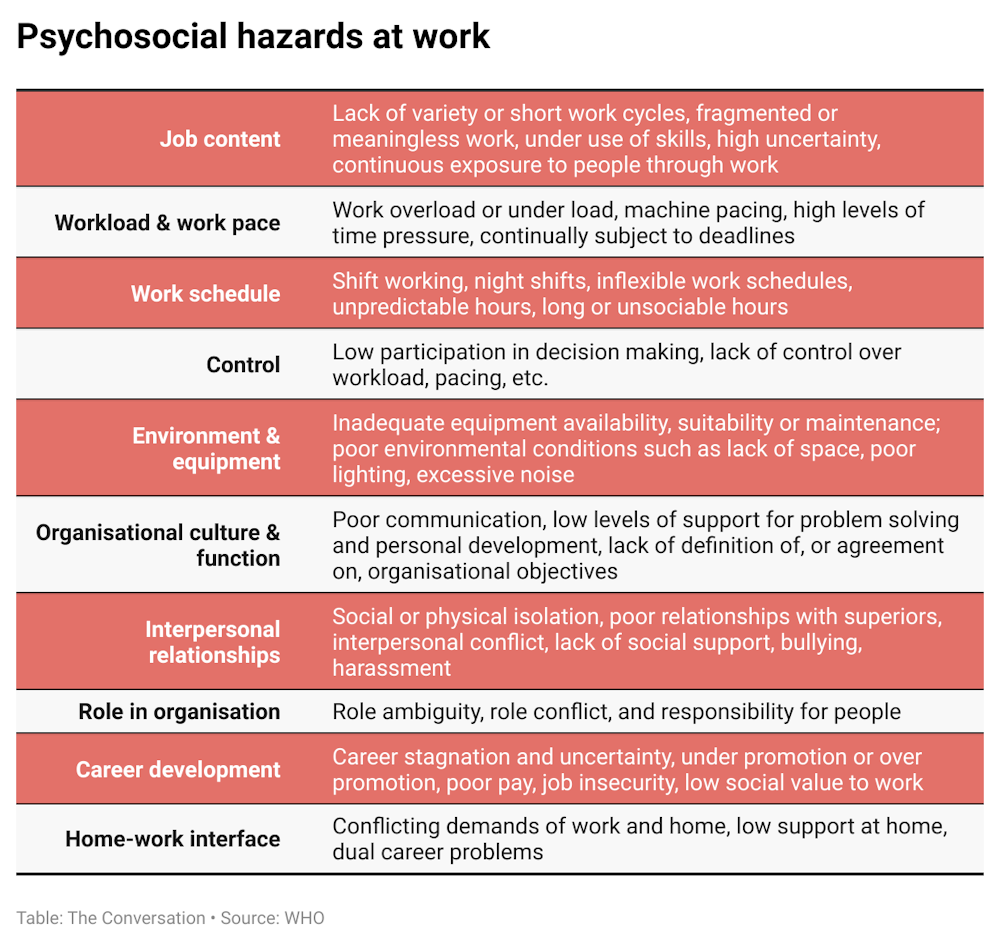
list of ten psychosocial hazards at work.
CC BY As noted in our centre’s submission to the WA government – in which we recommended including insecure work in the new code – most of the ten hazards listed above go hand in hand with insecure work. For example, hazard number three – work schedule, including unpredictable hours – applies to the majority of Australia’s casual workers, with 53% having work hours (and thus income) that fluctuate from one pay cycle to the next. Job insecurity exacerbates the hazards that also affect those in permanent employment, such as work load (hazard 1), lack of control over work (hazard 4) and lack of career opportunities (hazard 10). Worse health and safety outcomes A growing body of research shows insecure work is a health hazard. Two of Australia’s leading experts in this field, Michael Quinlan at UNSW Sydney and Elsa Underhill at Deakin University, have told the current Senate inquiry into job security there are three major negative outcomes: higher incidence/frequency of injuries, including fatalities poorer physical and mental health (such as from bullying) poorer knowledge of, and access to, employment rights and less willingness to raise concerns. Fear of losing work is a powerful disincentive against complaining or using rights available to them. For example, a 2021 survey of 1,540 workers by the Australian Council of Trade Unions found: 40% of all insecure workers said they had worked while unwell because they didn’t have access to paid leave 67% of those who worked through an ailment, rather than taking time off, said they feared taking leave would affect their job (compared with 55% of permanent workers) 50% of those who were sexually harassed took no action because they feared negative consequences (compared with 32% of permanent workers) Read more: The truth about much 'casual' work: it's really about permanent insecurity Are codes of practice legally enforceable? Codes of practice are part of the three-tier framework regulating employers’ obligations to maintain a safe workplace. At the top is legislation, which broadly defines responsibilities, then regulations, then codes of practice. These codes are practical guides for industries and businesses on how to achieve the standards required under the laws and regulations. Codes do not have the same legal force as a regulation, but can still be used by courts to assess if an organisation has taken the “reasonable steps” required by law to ensure a safe workplace. Some codes relate to specific types of work or hazards, such as handling dangerous chemicals. The new WA code on psychosocial hazards applies to all workplaces. From recognition to change Including insecure work in WA’s code is unlikely to change much in the short term. In theory it should mean organisations employing casual or contract workers undertake a risk-assessment process, then implement controls to manage those risks. There is a hierarchy of risk controls in work health and safety protocols. Hierarchy of  hazard controls Wikimedia Commons, CC BY At the top is eliminating the risk. This would see employers convert as many employees to permanent status. Lower down the hierarchy is reducing the risk. This could be done by giving casual workers as much notice of shifts as possible, ensuring more predictability with their schedule and more stability with their income, or higher pay rates to partly make up for some of these hazards. Will these things happen? Probably not. In practice, codes of practice alone don’t bring change. Provisions providing a pathway for casual or fixed-term employees to permanent status, for example, already exist in many enterprise agreements, but employers often find ways to avoid honouring them. Real change will require legislative reform or an increase in union strength. Some countries in Europe, for example, now have laws limiting the numbers of temporary agency workers and those on fixed term contracts. Such laws also need to be backed up by enforcement mechanisms – notably vastly increased resources for regulators. Read more: Uber might not take over the world, but it is still normalising job insecurity The WA government’s new code of practice represents an important first step within Australia’s industrial relations landscape. Formal recognition of insecure work as a health hazard should act as spur to further reform. Insecure work is widespread. We know what’s wrong with it. It’s time to do more about it. Authors: Alexis Vassiley, Research Associate, Centre for Work and Wellbeing, Edith Cowan University

Read more https://theconversation.com/why-insecure-work-is-finally-being-recognised-as-a-health-hazard-for-some-australians-177153

Father's Day Gift Ideas for Men Who Are Hard to Buy For

Some dads are easy to buy for. Others do not want anything, already have everything, or give you the classic "don't worry about me" answer every yea...

Top 5 Mistakes That Wear Out Your Brakes Faster

Brakes don't need frequent replacements like oil changes do.   But a lot of the wear happens quietly, over months, because of habits most drivers...

Plantation Shutters vs Curtains: Which Is Better for Your New Home?

Moving into a new home is an exciting opportunity to personalise your space and make it your own. While many homeowners focus on furniture, flooring...

Celebration of Life vs Traditional Funeral: What's the Difference?

When saying goodbye to someone you love, there is no single way to honour their life. Every family has different traditions, beliefs, and preference...

Building Approval for Roofing Projects: What Homeowners Need to Know

Roofing projects are an important part of maintaining and protecting your home. Whether you're repairing storm damage, replacing an ageing roof, or ...

Chatswood Tutoring And Its Role In Academic Achievement

Academic success often requires more than classroom attendance alone. Students face increasing expectations as they progress through school, particu...

Why Laser Hair Removal Treatments Continue Growing In Popularity

Managing unwanted hair can become time-consuming and frustrating for many people, especially when shaving, waxing, and other temporary methods requi...

Choosing the Right Devices for a Flexible Workplace

For IT leaders managing large fleets, the device layer is where workforce productivity and security policy meet. The shift towards flexible and hybrid...

How Business Advisory Services Help Companies Achieve Sustainable Growth

Every business owner aims to build a profitable and sustainable organisation. While dedication, innovation, and hard work are important, achieving l...

Why Body Contouring Has Become A Popular Cosmetic Treatment

Many people maintain healthy lifestyles through regular exercise and balanced eating habits but still struggle with stubborn areas of fat that are d...

How to Choose the Right POS Hardware for Your Business in Australia

A lot of Australian business owners spend weeks researching POS software but buy hardware almost as an afterthought. That's a mistake. The wrong har...

Why Material Handling Hose Is Critical for Industrial Efficiency

A high-performance material handling hose is an essential component in industries that transport abrasive, dry, or bulk materials on a daily basis...

How to Choose the Right Lawyer in Melbourne for Your Situation

Choosing legal support can feel difficult, especially when the stakes are personal or business-related. The right lawyer in Melbourne should underst...

Hoteliers Look to Clever Value Adds to Increase Revenue

The Australian hospitality industry is still in recovery mode after a notoriously rough patch in recent years. While there has been a post-COVID tra...

Moving to Queensland? Here’s How to Prep Your Car for the Big Move North

There’s no sign of the northern migration slowing down, with thousands of southerners fleeing from chaotic lifestyles and cooler climates for a brig...

Diesel Shortage to Impact Trades and Contractors

Strait of Hormuz blockage affecting all major parts of trades and construction Trades and construction across residential, commercial and industria...

Why Holiday Home Owners Turn to Rental Management Agents

The Allure — and the Reality — of Renting Out Your Property Owning a holiday home is a dream for many Australians. Whether it's a beachside sha...

Why Finding Reliable Doctors In Bundoora Is Important For Long-Term Health

Access to quality healthcare plays an important role in maintaining overall wellbeing and managing health concerns early. Trusted Doctors in Bundoor...
















