

what Australia and the European Union can learn from each other
- Written by: Sangeetha Chandrashekeran, Senior Research Fellow, Australian Research Council Centre of Excellence for Children and Families over the Life Course, The University of Melbourne
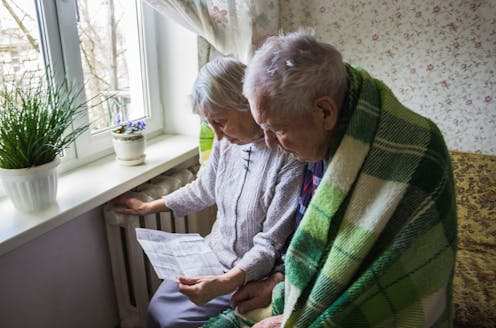
As the transition to clean energy unfolds, some fear the decarbonisation of the electricity sector will mean higher prices. And high prices can lead to energy poverty: when a household cannot afford the essential electricity services needed for a decent standard of living, such as heating.
Our new report, released today, compares approaches to energy affordability in the EU and Australia.
The EU is experiencing an energy price spike due to an increased demand as part of the post-COVID economic recovery and gas supply constraints from Russia. In Australia, wholesale electricity prices reached unprecedented levels in 2018, although they’ve since declined.
We found Australia can learn a lot from the EU about putting policies in place to alleviate energy poverty. We also show that under the right regulatory and market settings, electricity prices can be kept in check as the electricity sector decarbonises.
Apples and oranges?
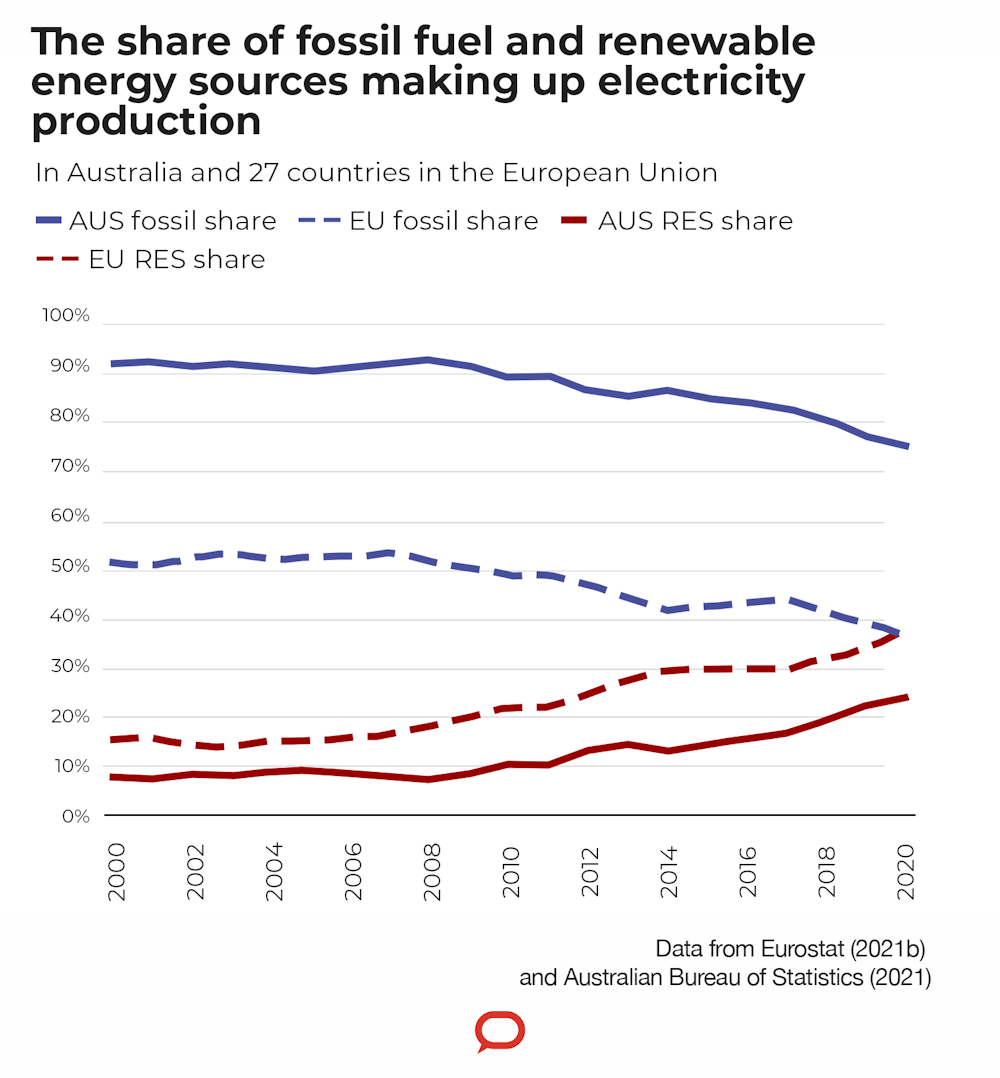
Why compare a large populous union of member states with Australia? The EU and Australia have important similarities when it comes to the energy sector, such as a vast grid that crosses jurisdictions and shared governance arrangements.
Both are experiencing an influx of renewable energy supply (although this has been more policy-driven in the EU than in Australia). And EU member states, like Australia’s states and territories, are ultimately responsible for energy regulation within their boundaries.
So, coordination and governance of energy involves gaining agreement across jurisdictions.
The EU takes a more co-ordinated and top-down regulatory approach on energy affordability than Australia. While there are lessons we can learn from the EU, there are no cut-and-paste solutions.
What’s driving the cost of electricity?
Well, it’s complex. The introduction of low-cost renewable supply over the last decade has moderated wholesale and retail electricity prices in both Europe and Australia. This is likely to continue in the short to mid-term.
Adding more renewable energy into the grid, however, requires upgrades to the poles and wires that carry the electricity – and this is costly. What’s more, low wholesale prices will encourage the early exit of ageing coal plants, which needs to be managed to avoid price shocks.
Australia can learn from the EU in this regard, where almost all member states – such as France and Germany – have announced plans to phase-out coal. They often set requirements and define closure dates for the plants.
This isn’t yet the norm in Australia, as most recently seen with Origin Energy’s surprise decision to bring forward the closure of Eraring – Australia’s largest coal plant – last week.
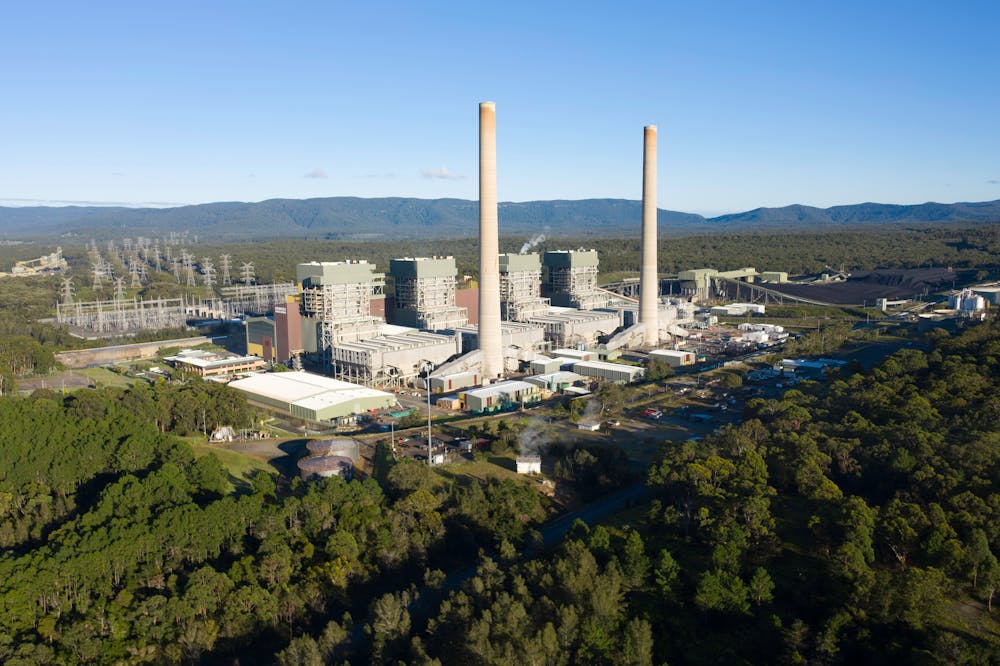 Eraring coal plant’s closure has been brought forward by seven years.
Shutterstock
Eraring coal plant’s closure has been brought forward by seven years.
Shutterstock
The Australian electricity system has more limited interconnection between states compared to most parts of the EU electricity market (although this is starting to change). This means shocks, such as early plant closures, are less easily absorbed in Australia.
Both the EU and Australia are grappling with how to fairly and efficiently distribute the cost of network upgrades across society. This includes in Germany, where electricity stakeholders are discussing how to distribute grid costs equally across the country and not overburden regions with higher renewable generation.
If the upgrades are financed by greater use of the grid, such as with more electric vehicles or heat pumps, this spreads the costs across a broader base.
Energy poverty in Australia
Determining which households spend the most on energy tells us a lot about energy inequality and justice. There are big differences between Australia and Europe.
In Australia, as seen in the graph below, the average household spends a lot less on electricity and heat (2% of a household’s disposable income) than their EU counterpart (6%).
 Sangeetha Chandra-Shekeran, Author provided
In both Australia and the EU, households in lower income groups spend a much larger fraction of their income on electricity and heat while consuming much less in absolute terms.
However, this dispersion is a lot more pronounced in Australia, where it has increased over the last ten years. This means low-income households are disproportionately affected by rising energy prices, and there needs to be a concerted effort to address this.
Policies to address energy poverty
Alleviating energy poverty is a central policy issue within the EU, with the European Commission positioning it as a key aspect of a fair energy transition.
A range of regulations and institutions are dedicated to addressing it. The European Commission’s “renovation wave” policy, for example, is a large-scale renovation plan that focuses on low-income and social housing. This offers long-term support to vulnerable households on a scale not yet seen in Australia.
Read more:
'I can't save money for potential emergencies': COVID lockdowns drove older Australians into energy poverty
The EU also provides member states with clear guidance on how to define, measure and address energy poverty. Multiple and composite measures are used rather than a single metric. This includes absolute energy spending, owed utility bills, and self-reported inability to keep the home warm.
The EU has also resourced institutions, such as the Energy Poverty Observatory and the new Energy Poverty Advisory Hub, to better understand the nature of energy poverty.
Still, the translation of EU ambition to member states is uneven with, for example, Bulgaria performing much worse than Spain. The severity of the problem doesn’t necessarily translate into national-scale policy efforts.
Sangeetha Chandra-Shekeran, Author provided
In both Australia and the EU, households in lower income groups spend a much larger fraction of their income on electricity and heat while consuming much less in absolute terms.
However, this dispersion is a lot more pronounced in Australia, where it has increased over the last ten years. This means low-income households are disproportionately affected by rising energy prices, and there needs to be a concerted effort to address this.
Policies to address energy poverty
Alleviating energy poverty is a central policy issue within the EU, with the European Commission positioning it as a key aspect of a fair energy transition.
A range of regulations and institutions are dedicated to addressing it. The European Commission’s “renovation wave” policy, for example, is a large-scale renovation plan that focuses on low-income and social housing. This offers long-term support to vulnerable households on a scale not yet seen in Australia.
Read more:
'I can't save money for potential emergencies': COVID lockdowns drove older Australians into energy poverty
The EU also provides member states with clear guidance on how to define, measure and address energy poverty. Multiple and composite measures are used rather than a single metric. This includes absolute energy spending, owed utility bills, and self-reported inability to keep the home warm.
The EU has also resourced institutions, such as the Energy Poverty Observatory and the new Energy Poverty Advisory Hub, to better understand the nature of energy poverty.
Still, the translation of EU ambition to member states is uneven with, for example, Bulgaria performing much worse than Spain. The severity of the problem doesn’t necessarily translate into national-scale policy efforts.
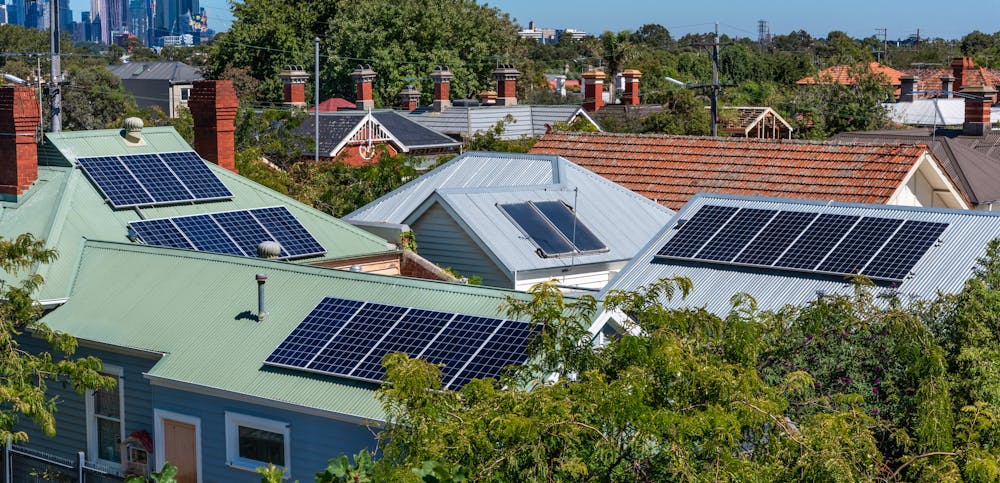 Europe can take lessons from Australia’s rapid rollout of rooftop solar.
Shutterstock
In Australia, there’s no national overarching framework for the energy transition that includes principles on equity and leaving no one behind.
Australia has the National Electricity Objectives that guide market planning. These, however, don’t reference equity or decarbonisation. Energy poverty remains a concept with no clear definition and, therefore, no clear objectives, targets or metrics for data collection, nor institutions to monitor and report on it.
Energy “hardship” or “stress” are more common terms, and Australia has a well-established consumer protection framework. This is focused more on relieving costs via concessions, retailer obligations and protections against possible electricity disconnections.
Whatever the language used, Australia can learn from Europe’s experience of developing a coherent definition, criteria for measurement, and independent institutions to report on energy hardship.
Europe can take lessons from Australia’s rapid rollout of rooftop solar.
Shutterstock
In Australia, there’s no national overarching framework for the energy transition that includes principles on equity and leaving no one behind.
Australia has the National Electricity Objectives that guide market planning. These, however, don’t reference equity or decarbonisation. Energy poverty remains a concept with no clear definition and, therefore, no clear objectives, targets or metrics for data collection, nor institutions to monitor and report on it.
Energy “hardship” or “stress” are more common terms, and Australia has a well-established consumer protection framework. This is focused more on relieving costs via concessions, retailer obligations and protections against possible electricity disconnections.
Whatever the language used, Australia can learn from Europe’s experience of developing a coherent definition, criteria for measurement, and independent institutions to report on energy hardship.
 An offshore wind farm off Copenhagen, Denmark.
Shutterstock
There are also lessons for Europe from Australia in the context of the rapid rollout of rooftop solar and smart meters.
In terms of this rapid roll out, Australia is getting on the front foot to tackle emerging consumer protection issues. This includes addressing inequitable cost allocations and barriers to market participation, and rule changes that address new responsibilities for providers in the changing energy landscape.
There are also good examples in Australia of industry-driven efforts towards cultural change on affordability. For example, the Energy Charter is a national CEO-led collaboration committed to customer-focused principles including energy affordability.
This can be effective and long lasting with buy-in from firms, big and small, and strong community engagement.
Read more:
Energy poverty is linked to physical and mental health – our research proves it
Authors: Sangeetha Chandrashekeran, Senior Research Fellow, Australian Research Council Centre of Excellence for Children and Families over the Life Course, The University of Melbourne
An offshore wind farm off Copenhagen, Denmark.
Shutterstock
There are also lessons for Europe from Australia in the context of the rapid rollout of rooftop solar and smart meters.
In terms of this rapid roll out, Australia is getting on the front foot to tackle emerging consumer protection issues. This includes addressing inequitable cost allocations and barriers to market participation, and rule changes that address new responsibilities for providers in the changing energy landscape.
There are also good examples in Australia of industry-driven efforts towards cultural change on affordability. For example, the Energy Charter is a national CEO-led collaboration committed to customer-focused principles including energy affordability.
This can be effective and long lasting with buy-in from firms, big and small, and strong community engagement.
Read more:
Energy poverty is linked to physical and mental health – our research proves it
Authors: Sangeetha Chandrashekeran, Senior Research Fellow, Australian Research Council Centre of Excellence for Children and Families over the Life Course, The University of Melbourne 

















