

What is Design and Build in Construction?
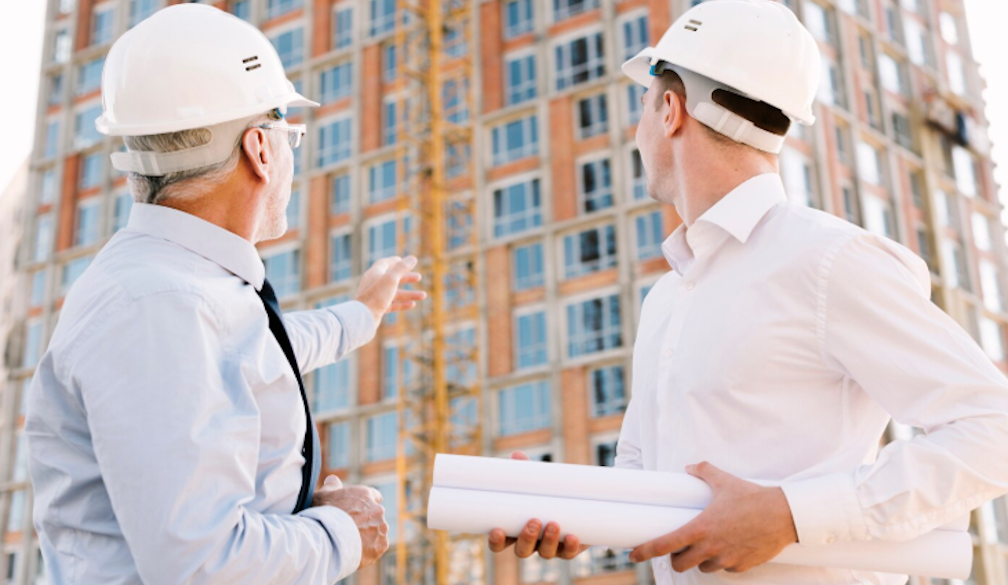
Imagine you’re about to start a new construction project, maybe it’s a custom home or a commercial building. You’ve got the idea, the land, and the enthusiasm. But how do you go from blueprint to reality? Enter the design and build model. If you’ve never heard of it or are unsure how it works, don’t worry. This article is here to help break down everything you need to know about this method, which is fast becoming the go-to choice for many construction projects.
What is Design and Build in Construction?
At its core, design and build is a construction method where one company handles both the design and construction of a project. Unlike traditional methods where you hire an architect first to design, then a builder to construct, design and build offers a single point of responsibility. This means one company is accountable for both the blueprints and the bricks.
The simplicity of this method makes it appealing for both homeowners and businesses, as it reduces the complexities of managing multiple contracts, and ensures that the design is fully integrated with the construction plan from the very beginning.
How Does the Design and Build Process Work?
The process starts with a conversation, whether you're the client or the builder, it’s crucial to establish a clear vision for what the project needs to achieve. Here’s a breakdown of how it typically works:
- Initial Consultation: The builder and client meet to discuss needs, budget, and timeline.
- Design Phase: The design team creates the initial plans, incorporating the client’s ideas and vision.
- Construction Phase: Once the design is approved, the construction team moves forward with building, using the plans they helped develop.
The beauty of the design and build process is that design and construction happen in tandem, making it much more efficient than traditional methods where these phases are separated.
What Are the Advantages of Design and Build in Construction?
Design and build has some real perks that set it apart from the traditional route. Here’s why it might just be the best fit for your next project:
- Single Point of Responsibility: The same company handles everything, which means fewer communication breakdowns. If there’s an issue with the project, you’ve only got one place to turn.
- Faster Project Timelines: Since the design and construction phases overlap, projects get completed faster. No waiting for one phase to finish before the next starts.
- Cost Savings: With design and build, costs are often lower since you’re working with one team that understands the project from both a design and construction perspective. Plus, fewer change orders and delays mean less money spent overall.
- Increased Collaboration: Designers and builders work hand-in-hand, so the design is always practical and achievable within the given budget.
Design and Build vs. Traditional Construction Models
You may be familiar with the traditional design-bid-build method, where architects design a project, then contractors bid to build it. Here’s how design and build differs:
- Separate Contracts vs. Single Contract: In traditional methods, you sign separate contracts for design and construction. With design and build, there’s only one contract with the design-build company.
- Longer Timelines vs. Faster Delivery: Traditional methods involve more back-and-forth between the design and construction teams, leading to longer timelines. With design and build, there’s continuous collaboration, so things move faster.
- More Communication vs. Streamlined Process: Traditional projects often suffer from miscommunication between design and construction teams. Design and build eliminates this issue by having one entity manage both sides.
Who Should Consider Using Design and Build?
Design and build works for a wide variety of projects, but it’s especially beneficial when:
- Time is of the essence: If you need a project completed quickly, design and build is ideal.
- You want to minimize risk: With one company in charge, it’s easier to ensure that everything stays on track.
- Budget is a concern: The integrated approach typically results in cost savings, making it a good choice for projects with tight budgets.
Conclusion
In construction, design and build is a game-changer. It’s efficient, cost-effective, and stress-free. By combining both the design and construction phases into one cohesive process, you get a streamlined experience that ensures everything works seamlessly from start to finish. Whether you're building your dream home or a commercial space, this model offers the simplicity and efficiency that traditional methods just can't match.
So, if you're embarking on a new project, consider design and build, it might just be the smoothest way to turn your vision into reality.


















