

Roadside trees stitch the ecosystems of our nation together. Here’s why they’re in danger
- Written by: Gregory Moore, Doctor of Botany, The University of Melbourne
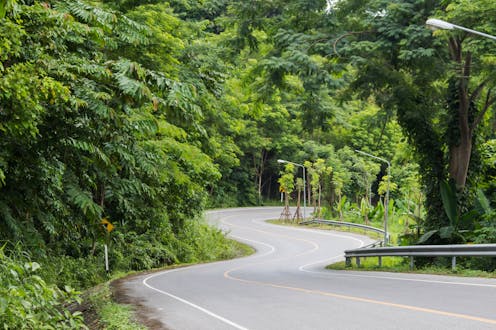
You may know of marvellous tree-lined roads that lead into your favourite rural and regional towns. Sometimes they have an arched, church-like canopy, while others have narrow ribbons of remnant vegetation.
But have you noticed they’ve changed over the past decade? Some have gone, some have thinned and others are now declining. This is because in general, roads are not safe places for plants and their ecosystems.
There are the obvious dangers from collisions with cars. But there are also more subtle dangers from road construction and maintenance that increase the chances of plant (and animal) deaths, such as by altering the chemical and physical environment, which introduces weeds and segregates wildlife.
This network of vegetation reserves and corridors along Australian roads must be properly valued and better protected. They stitch the landscapes and ecosystems of our nation together and, as they diminish and disappear, will become an unrecognised part of road toll. We will all be the poorer for it.
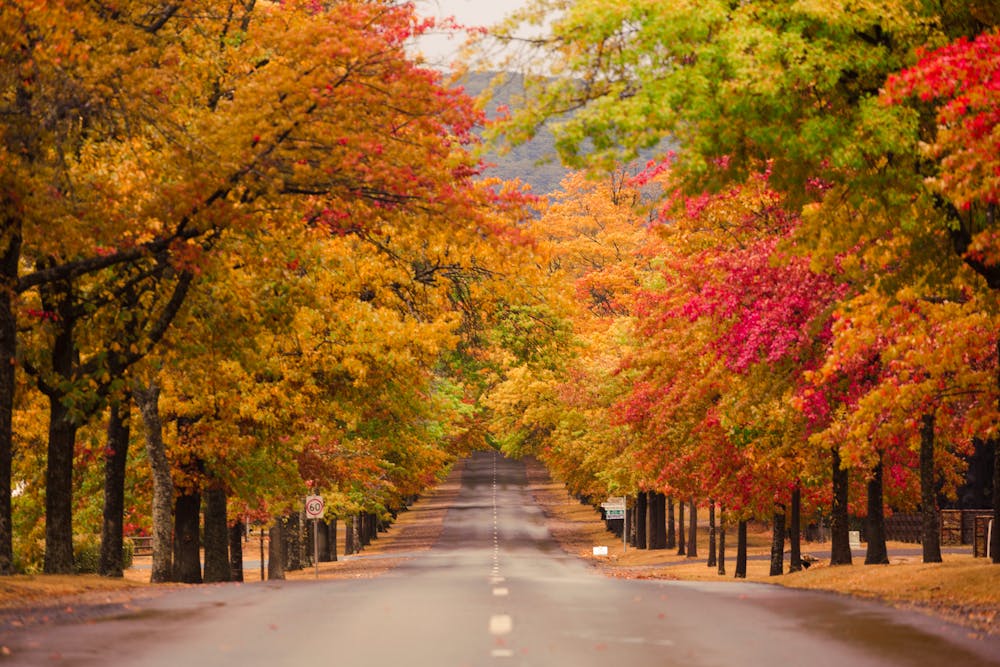
Ecosystems found on the roadside
Roadside vegetation are often important corridors connecting wildlife to their habitats. In some cases, they are the last bastions of rare and endangered plant species. Indeed, some of the grass and smaller flowering species of Australia’s once extensive grassy plains only persist on roadside refuges in parts of Victoria, New South Wales and South Australia.
These corridors are also important habitats for smaller birds, mammals, insects and reptiles. They not only provide access to food and water sources, but allow breeding with a broader animal population.
For example, nine different mammal species have been recorded along the roadside of Victoria’s Strathbogie Ranges, including koalas, brushtail possums, gliders and phascogales.
Roads also increase water run-off and carry nutrients, which can allow a diversity of species to flourish on verges (nature strips). Plants that may not survive elsewhere get a toehold on edge of the bitumen using the precious extra resources it provides.
Australian road authorities often acknowledge the importance of these habitat corridors when roads are set to be upgraded or widened. But when it comes to the crunch, it’s the engineering and bottom line demands that generally win out – and plants invariably suffer.
This has an impact to cultural heritage, too. We saw this all too clearly in 2020 when a Djab Wurrung directions tree was bulldozed in Victoria for a new highway, despite valiant protest efforts.
Likewise, people rallied in Hong Kong to protect a significant banyan tree from removal from railway works. And the 300-year-old Bulleen river red gum, which won the National Trust’s Victorian Tree of the Year in 2019, awaits its fate in a major freeway project.
Read more: This centuries-old river red gum is a local legend – here's why it's worth fighting for
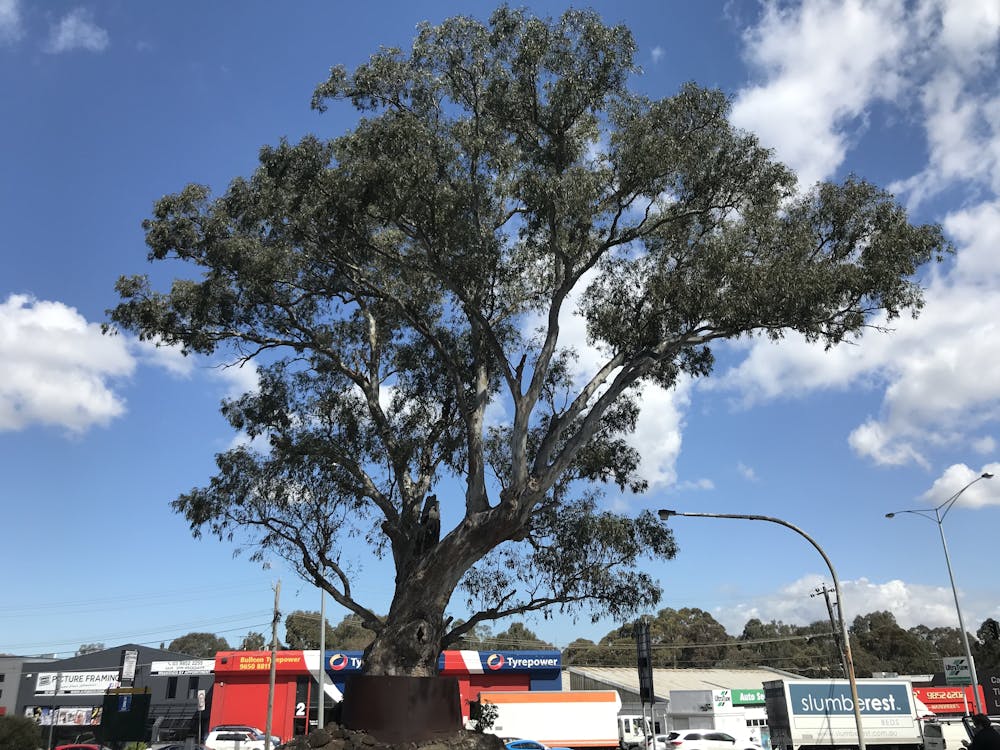 The 300-year-old Bulleen river red gum is still standing.
AAP Image/Supplied by The National Trust of Australia
The 300-year-old Bulleen river red gum is still standing.
AAP Image/Supplied by The National Trust of Australia
The dangers of roads
Trees are supposed to be cleared according to codes of practice, such as the Australian Standard for Pruning Trees and the Australian Standard for Protecting Trees on Development Sites.
But based on my experiences over many years, when contractors breach one of these protections, there’s rarely enforcement or penalty.
For example, breaches can occur during powerline clearing across Australia, where old roadside trees can be decimated by losing much of their canopy. Trees may not survive such damage and if they do it will takes years for recovery.
Clearing roadside vegetation can occur on a monumental scale after bushfires. While burnt, dead trees may be dangerous and need to be removed or pruned, the clearing can far exceed the safety requirement.
Local communities have been left to lament the loss of their green and leafy road reserves from fires, as well as losses to the trees themselves from unnecessary clearing – it’s a double blow.
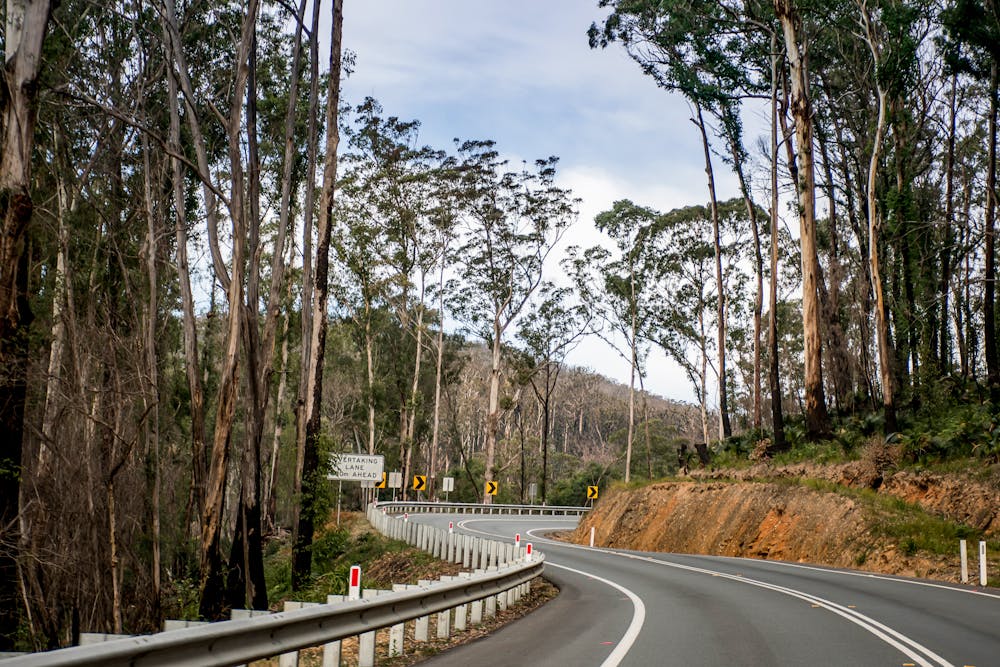 Clearing trees after bushfires can far exceed what’s required.
Shutterstock
Clearing trees after bushfires can far exceed what’s required.
Shutterstock
Herbicide is another very common, but rarely spoken of, cause of death for roadside trees and vegetation, with roadside verges routinely sprayed to reduce weeds encroaching onto the edges of roads and tarmac.
Herbicide spray can drift and kill non-target vegetation, such as crops on adjacent farms and even ancient remnant trees nearby. While such events have occurred in Australia, they are seldom reported and farmers are rarely successful in obtaining compensation for losses.
Vandalism is another major issue, with many local examples of street trees being poisoned, lopped or cut down, for instance, to secure prized coastal views.
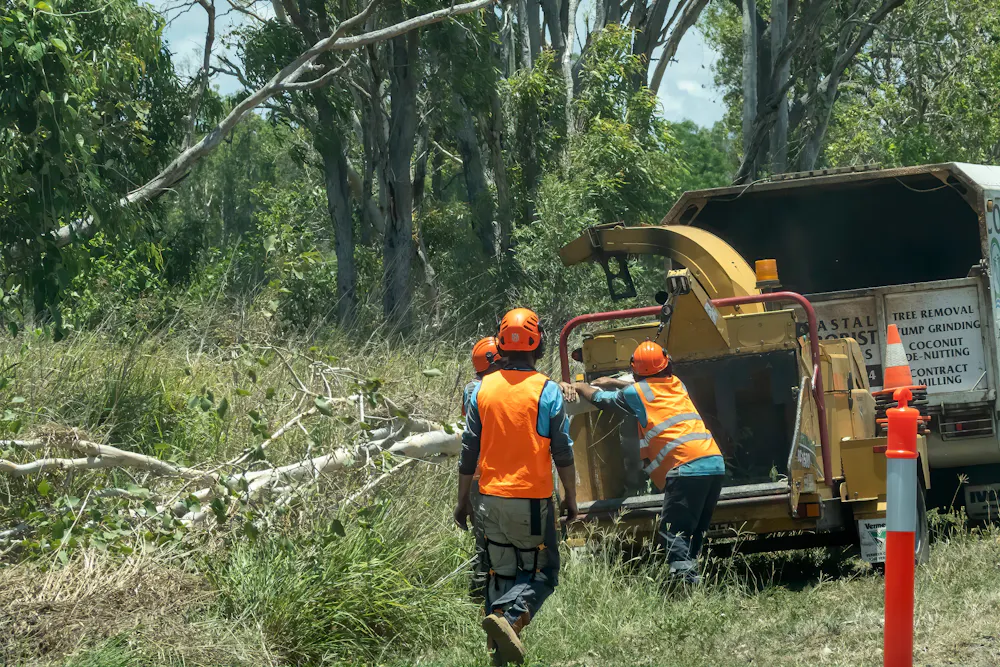 Trees are supposed to be cleared according to codes of practice.
Shutterstock
Trees are supposed to be cleared according to codes of practice.
Shutterstock
This not only affects Australia. In 2012 thousands of roadside and rural trees were illegally poisoned or cut down in the United States by billboard advertisers. Similar advertising-related tree removals also occurred in India.
Love your trees
More of us should take stock of roadside trees: they are links to Australia’s past, refuges of once more widespread natural communities, and remain an important part of cultural heritage.
Importantly, they connect us to a future under climate change. We cannot possibly fight to mitigate global warming without urban trees. If we do not value them, it is inevitable that we will be lamenting an expanding list of endangered species and possible extinctions.
Read more: Here are 5 practical ways trees can help us survive climate change
Authors: Gregory Moore, Doctor of Botany, The University of Melbourne


















