

Do you toss biodegradable plastics in the compost bin? Here’s why it might not break down
- Written by: Bronwyn Laycock, Professor of Chemical Engineering, The University of Queensland
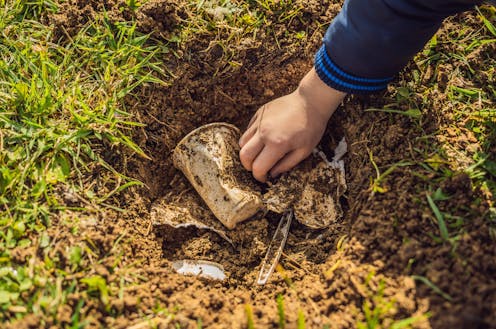
Over one-fifth of all plastic produced worldwide is tossed into uncontrolled dumpsites, burned in open pits or leaked into the environment. In Australia, 1.1 million tonnes of plastic is placed in the market, yet just 16% (179,000 tonnes) is recovered.
To deal with this mounting issue, the Morrison government last week announced A$60 million to fund plastic recycling technologies. The goal is to boost plastic packaging recycling from 16% to 70% by 2025.
It comes after 176 countries, including Australia, last month endorsed a United Nation’s resolution to establish a legally binding treaty by 2024 to end plastic pollution.
This is a good start – more effective recycling and recovery of plastics will go a long way to solve the problem.
But some plastics, particularly agricultural plastics and heavily contaminated packaging, will remain difficult to recycle despite these new efforts. These plastics will end up being burnt or in landfill, or worse, leaking into the environment.
“Biodegradable” plastic is often touted as an environmentally friendly alternative. But depending on the type of plastic, this label can be very misleading and can lead environmentally conscious consumers astray.
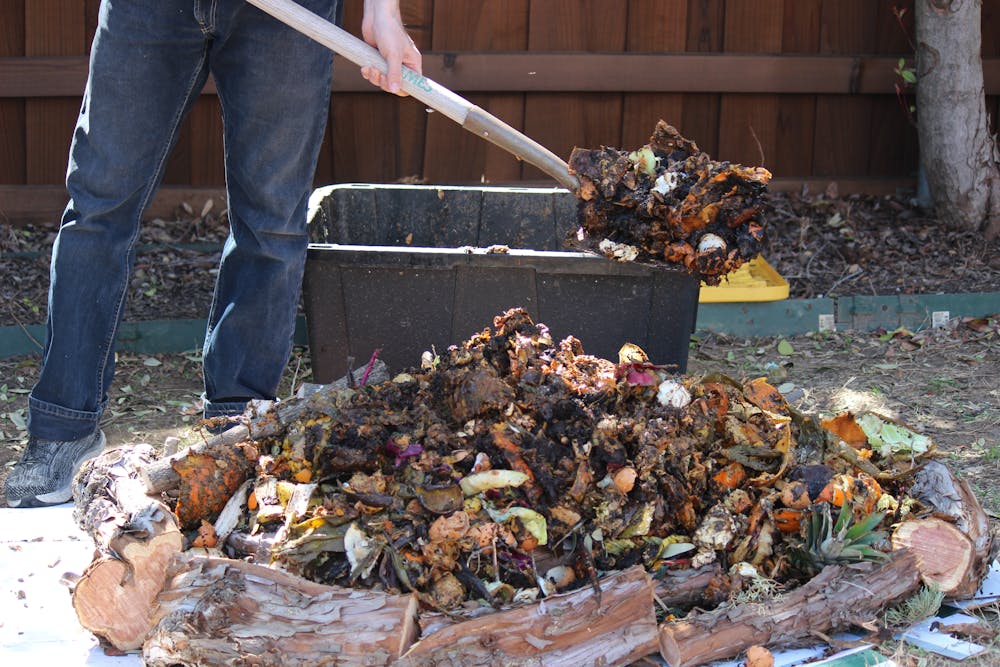
What are biodegradable plastics?
Biodegradable plastics are those that can completely break down in the environment, and are a source of carbon for microbes (such as bacteria).
These microbes degrade plastics into much smaller fragments before consuming them, which makes new biomass (cell growth), and releases water, carbon dioxide and, when oxygen is limited, methane.
However, this blanket description encompasses a wide range of products that biodegrade at very different rates and in different environments.
Read more: We composted 'biodegradable' balloons. Here's what we found after 16 weeks
For example, some – such as the bacterially produced “polyhydroxyalkanoates”, used in, for instance, single-use cutlery – will fully biodegrade in natural environments such as seawater, soil and landfill within a few months to years.
Others, like polylactic acid used in coffee cup lids, require more engineered environments to break down, such as an industrial composting environment which has higher temperatures and is rich in microbes.
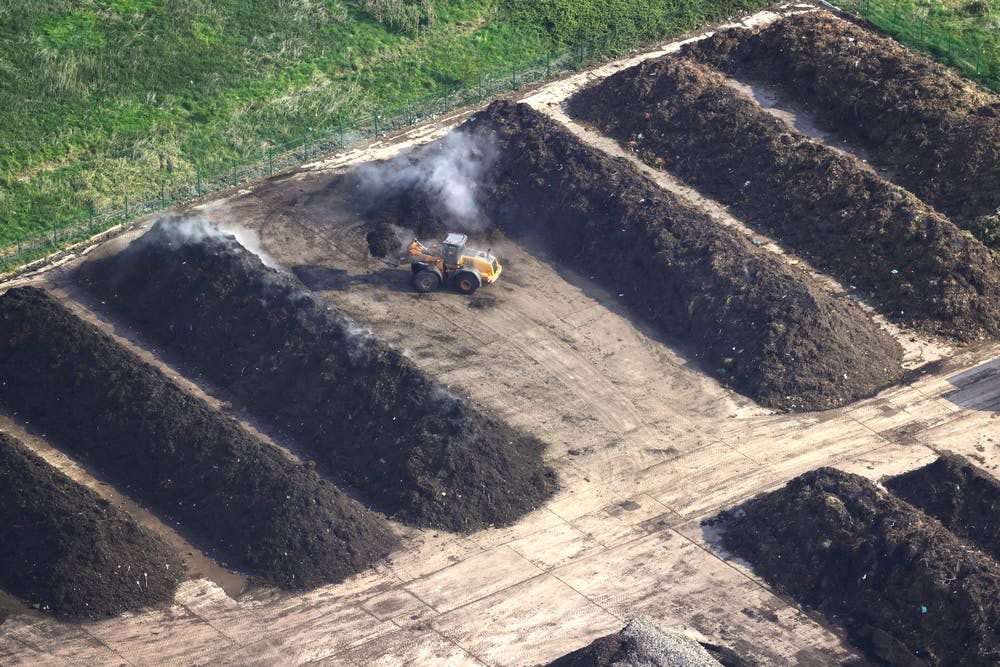 Some biodegradable plastics only break down in industrial compost facilities.
Shutterstock
Some biodegradable plastics only break down in industrial compost facilities.
Shutterstock
So while consumers may expect that “compostable” plastics will degrade quickly in their backyard compost bins, this may not be the case.
To add to this confusion, biodegradable plastics actually don’t have to be “bio-based”. This means they don’t have to be derived from renewable carbon sources such as plants.
Some, such as polycaprolactone used in controlled release drug delivery, are synthesised from petroleum-derived materials.
What’s more, bio-based plastics may not always be biodegradable. One example is polyethylene – the largest family of polymers produced globally, widely used in flexible film packaging such as plastic bags. It can be produced from ethanol that comes from cane sugar.
In all material respects, a plastic like this is identical to petroleum-derived polyethylene, including its inability to break down.
Confusion and greenwashing
In 2018, we conducted a survey of 2,518 Australians, representative of the Australian population, with all demographics collected closely matching census data.
We found while there’s a lot of enthusiasm for biodegradable alternatives, there’s also a great deal of confusion over what constitutes a biodegradable plastic.
Consumers have also become increasingly concerned over the practice of “greenwashing” – marketing a product as biodegradable when, in reality, its rate of degradation and the environment in which it will decompose don’t match what the label implies.
 Minster for environment Sussan Ley announced $60 million for plastic recycling technologies.
AAP Image/Ethan James
Minster for environment Sussan Ley announced $60 million for plastic recycling technologies.
AAP Image/Ethan James
So-called “oxo-degradable plastics” are an excellent example of why the issue is so complex and confusing. These plastics are commonly used in films, such as agricultural mulches, packaging and wrapping materials.
Chemically speaking, oxo-degradable plastics are often made from polyethylene or polypropylene, mixed with molecules that initiate degradation such as “metal stearates”.
These initiators cause these plastics to oxidise and break down under the influence of ultraviolet light, and/or heat and oxygen, eventually fragmenting into smaller pieces.
There is, however, some controversy surrounding their fate. Research indicates they can remain as microplastics for long periods, particularly if they’re buried or otherwise protected from the sun.
Indeed, evidence suggests oxo-degradable plastics aren’t suited for long-term reuse, recycling or even composting. For these reasons, oxo-degradable plastics have now been banned by the European Commission, through the European Single-Use Plastics Directive.
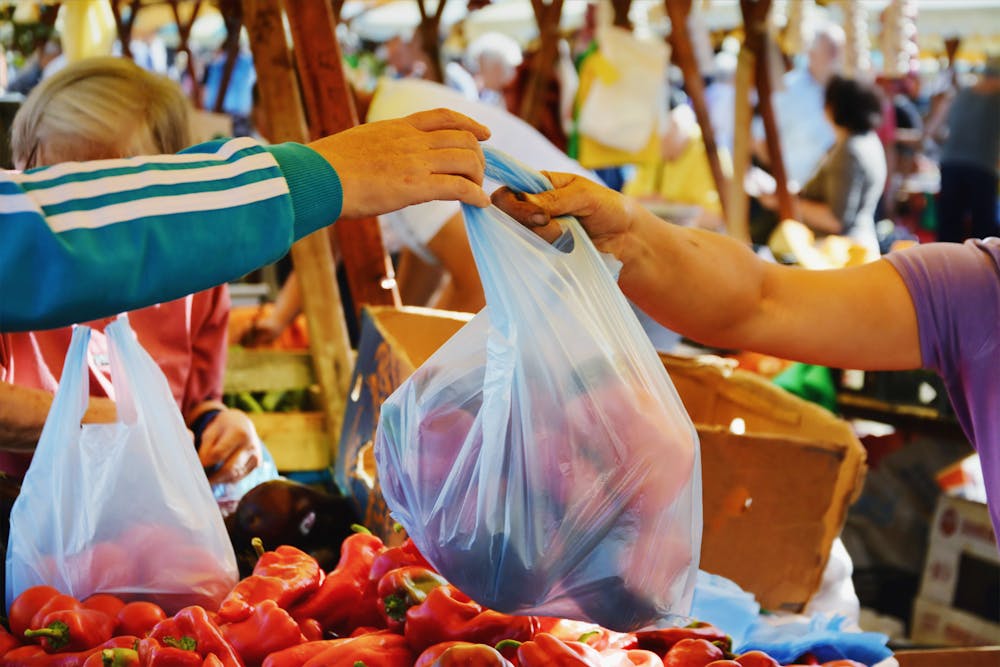 Plastic bags are often made from polyethylene, which can come from cane sugar.
Shutterstock
Plastic bags are often made from polyethylene, which can come from cane sugar.
Shutterstock
We need better standards and labels
The new government funding for plastic recycling technologies targets waste that’s notoriously difficult to deal with, such as bread bags and chip packets.
However, this still leaves a substantial stream of waste that’s even more challenging to address. This includes agricultural waste dispersed in the environment such as mulch films, which can be difficult to collect for recycling.
Biodegradable and bio-based plastics have great potential to replace such problematic plastics. But, as they continue to gain market share, the confusion and complexity around biodegradable plastics must be addressed.
For starters, a better understanding of how they impact the environment is needed. It’s also crucial to align consumer expectations with those of manufacturers and producers, and to ensure these plastics are appropriately disposed of and managed at the end of their life.
This is what we’re investigating as part of a new training centre for bioplastics and biocomposites. Our goal over the next five years is to improve knowledge for developing better standards and regulations for certifying, labelling and marketing “green” plastic products.
And with that comes greater opportunity for better education so both plastic producers and people who throw them away really understand these materials. We should be familiar with their strengths, weaknesses and how to dispose of them so we can minimise the damage they inflict on the environment.
Authors: Bronwyn Laycock, Professor of Chemical Engineering, The University of Queensland


















