

why Australia has to quit stalling and wean itself off fossil fuels
- Written by: John Quiggin, Professor, School of Economics, The University of Queensland
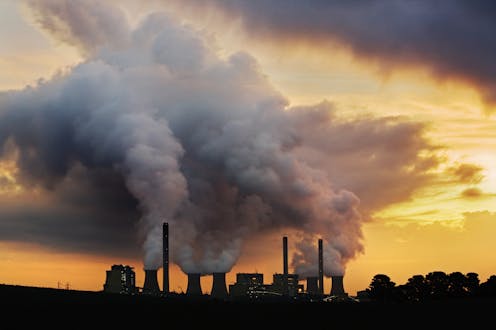
If the world acts now, we can avoid the worst outcomes of climate change without any significant effect on standards of living. That’s a key message from the new report from the Intergovernmental Panel on Climate Change (IPCC).
The key phrase here is “acts now”. Jim Skea, co-chair of the IPCC working group behind the report, said it’s “now or never” to keep global warming to 1.5℃. Action means cutting emissions from fossil fuel use rapidly and hard. Global emissions must peak within three years to have any chance of keeping warming below 1.5℃.
Unfortunately, Australia is not behaving as if the largest issue facing us is urgent – in fact, we’re doubling down on fossil fuels.
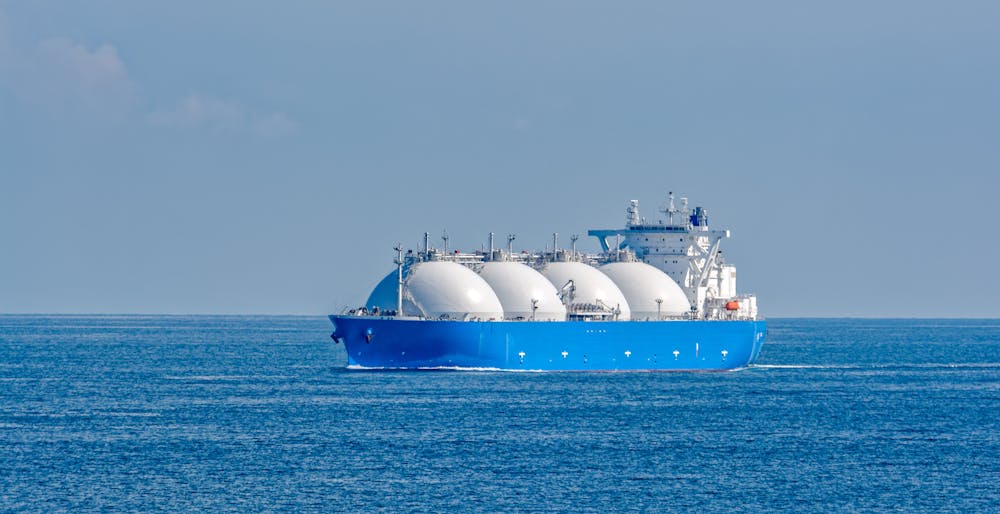
In recent years, Australia overtook Qatar to become the world’s largest exporter of liquefied natural gas (LNG). We’re still the second-largest exporter of thermal coal, and the largest for metallurgical coal.
Time’s up, Australia. We have to talk about weaning ourselves off fossil fuels and exporting our wealth of clean alternatives.
Why can’t Australia keep selling fossil fuels during the transition?
You might think: “Sure, Australia needs to transition. But it will take decades for the world to rid itself of fossil fuels. Why can’t we keep selling gas and coal in the meantime?”
Because we’re out of time. As the report states, “if existing fossil fuel infrastructure … continue to be operated as historically, they would entail CO₂ emissions exceeding the carbon budget for 1.5°℃”.
And US climatologist Michael Mann recently pointed out, if you were going to pick the worst continent to live on as the climate changes, it would be Australia. We are “a poster child for what the rest of the world will be dealing with,” he said.
Urgent action is needed to avoid the devastation and vast expense of unchecked climate change, recently estimated at close to 40% of global GDP by 2100.
We need to accelerate the shift, with much faster greening of electricity supply, electrification of transport, improvement of industrial processes and management of land use and food production. Luckily, the technologies needed to achieve this goal have already been developed and are mostly already competitive with carbon-emitting alternatives.
The economic costs of the transition would be marginal. The required investment in clean energy would be around 2.5% of GDP. That’s far less than the costs of allowing global heating to continue, with costs further offset by clean energy’s zero fuel costs and lower operating costs.
What are Australia’s prospects for weaning off the fossil fuel teat?
Are we seeing signs of the urgency of the situation? If you look at the election platforms of Australia’s major political parties, we are still falling far short.
After nine years in office, the Liberal government has reluctantly set a goal of net zero emissions by 2050, but has offered little more than wishful thinking as a policy response.
Last week’s budget projected funding cuts of as much as 35% for Australia’s clean energy finance and renewable energy initiatives.
By far the biggest shortcoming is the failure to plan for the transition. Despite calls for coal and gas workers to be given an honest assessment of their position, both Liberal and Labor sustain the illusion that coal and gas have a long-term future.
Labor has put forward worthwhile initiatives such as the Rewiring the Nation program aimed at supporting private investment to modernise the grid and make it ready for high levels of renewable energy.
But the opposition’s main concern has been to avoid any policy that leaves it open to attack from the Coalition and the Murdoch press. You can see this in Labor leader Anthony Albanese’s repeated declaration that “the climate wars are over”.
Read more: IPCC says the tools to stop catastrophic climate change are in our hands. Here's how to use them
That means, in 2022, we are facing an election campaign in which neither major party has put up serious ideas to cut emissions. There’s no mention of a price on carbon or an emissions trading scheme, no real action on land clearing, and no expansion of the government’s safeguard mechanism, meant to provide incentives for large industries to cut emissions relative to a baseline.
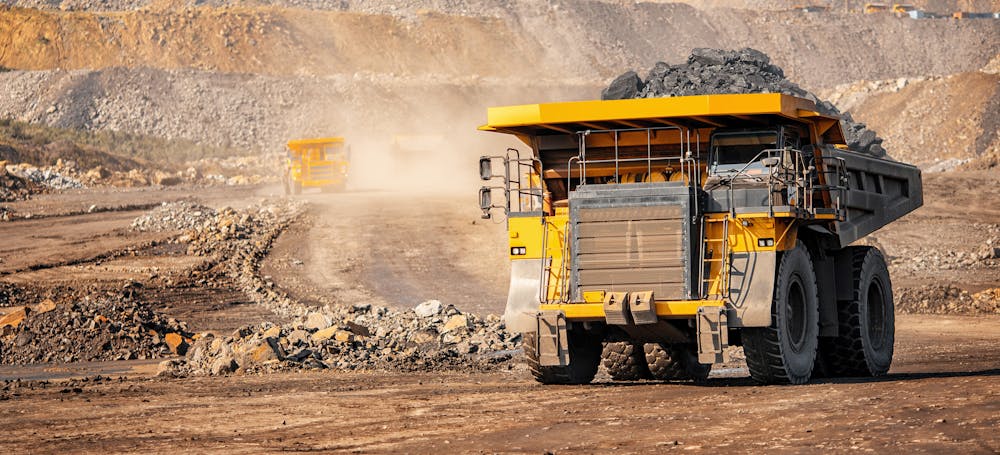 Australia’s coal and gas workers want clarity about their industry’s future.
Shutterstock
Australia’s coal and gas workers want clarity about their industry’s future.
Shutterstock
Lagging on transport
The plunging cost of renewable energy is one of the bright spots in the fight against climate change. Cost alone is driving out coal and gas from the power sector.
The pace of transition is much slower in areas such as transport, which the IPCC report notes had excellent prospects of cutting emissions.
“Electric vehicles powered by low-emissions electricity offer the largest decarbonisation potential for land-based transport,” the report says.
In Australia, our failures on transport are palpable. To reach net zero by 2050, we have to move to an all-electric vehicle fleet. Given cars last 20 years on average, almost all new vehicles must be electric by 2030.
By contrast to almost all developed countries, Australia doesn’t have a fuel efficiency target, or plans to end new sales of petrol vehicles. The government has no proposal to address this, while Labor offers a minor tax concession on electric vehicles and a fuel efficiency information website.
Bizarrely, these baby steps sit in stark contrast to the bipartisan rush to shield petrol users from rising prices in the wake of the invasion of Ukraine.
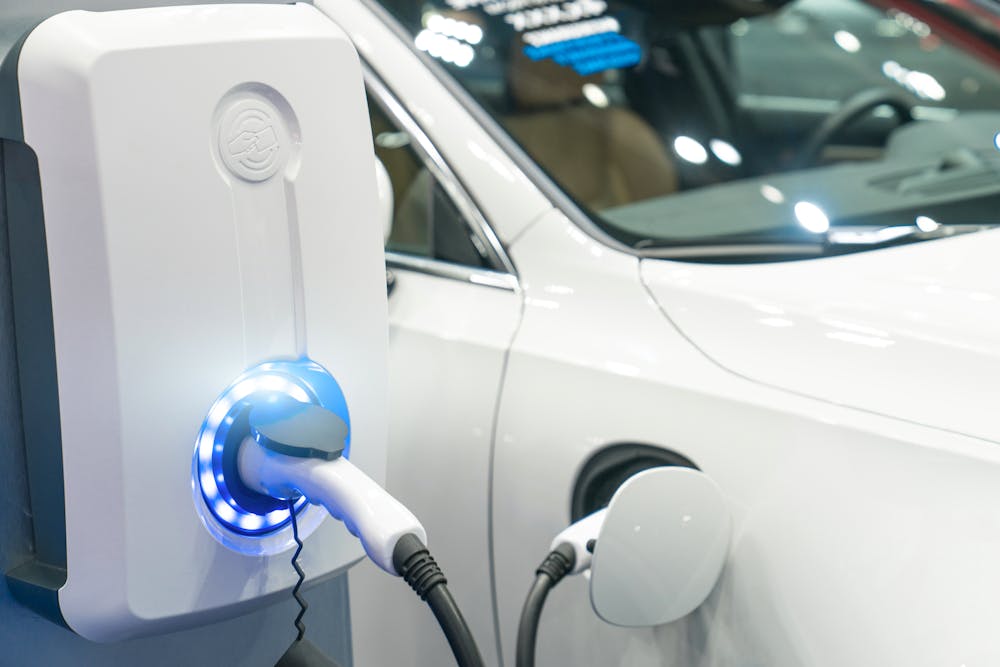 Electric vehicles offer the best way to get fossil fuels out of transport, the report says.
Shutterstock
Electric vehicles offer the best way to get fossil fuels out of transport, the report says.
Shutterstock
We’ve stalled long enough
We’ve run out of time to deal with the problem of global heating. We cannot afford another three years of inaction.
What would it look like if Australia’s next government realises the urgency? It would begin by ending all new investment in fossil fuel production and electricity generation, as well as fossil-fuel reliant industrial plants such as blast furnaces for steel mills. It would accelerate investment in carbon-free replacements, and create pathways for fossil fuel workers to work in the green economy.
And our leaders would talk openly and clearly about the huge threat climate change poses to all of us here, and the benefits we stand to gain by quitting fossil fuels. We would go from laggards to leaders. Imagine that.
Authors: John Quiggin, Professor, School of Economics, The University of Queensland


















