

how mentoring is bringing music alive for primary school students
- Written by: Margaret S. Barrett, Head of School, Sir Zelman Cowen School of Music and Performance, Monash University
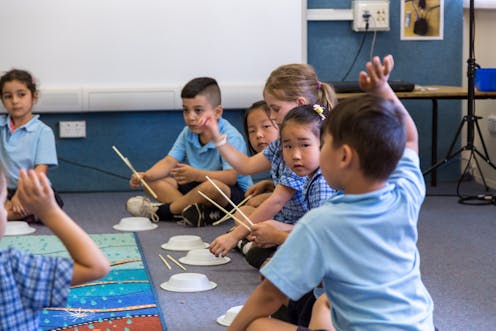
The National Music Teacher Mentoring Program was established by Richard Gill in 2015 and implemented through the Australian Youth Orchestra.
The mentoring program uses a simple formula: experienced music specialist teachers (the mentors) are paired with generalist early childhood teachers in primary schools which don’t have music programs to develop music programs collaboratively.
First, the mentors assess the teachers’ music experience and skills, student needs and local resources.
Second, specialist and generalist teachers work together to plan music activities that will work for that school, class and teacher.
The training involves mentors demonstrating music teaching in their own classroom, then demonstrating in the teachers’ classroom, along with joint lesson planning, preparation and team-teaching, where mentors gradually hand over the reins to teachers as they gain more music teaching skills and confidence.
The approach of the mentoring program is very different from typical professional development. Ordinarily, teachers may be presented with a great deal of information during a one-day course but they are not provided with ongoing support as they trial new ideas back in their classroom.
Under this mentorship program, mentors and teachers build an ongoing relationship based on trust, mutual respect and collaboration. Since its inception, 630 primary classroom teachers have been upskilled to teach 50,000 students music in their classrooms.
Benefits for children
This mentorship scheme provides a ray of sunshine for children who do not have access to music at school, in particular at disadvantaged schools.
Our research found, regardless of gender or socio-economic status, the singing skills of students in these classrooms improved and children showed a general improvement in their attitudes towards music.
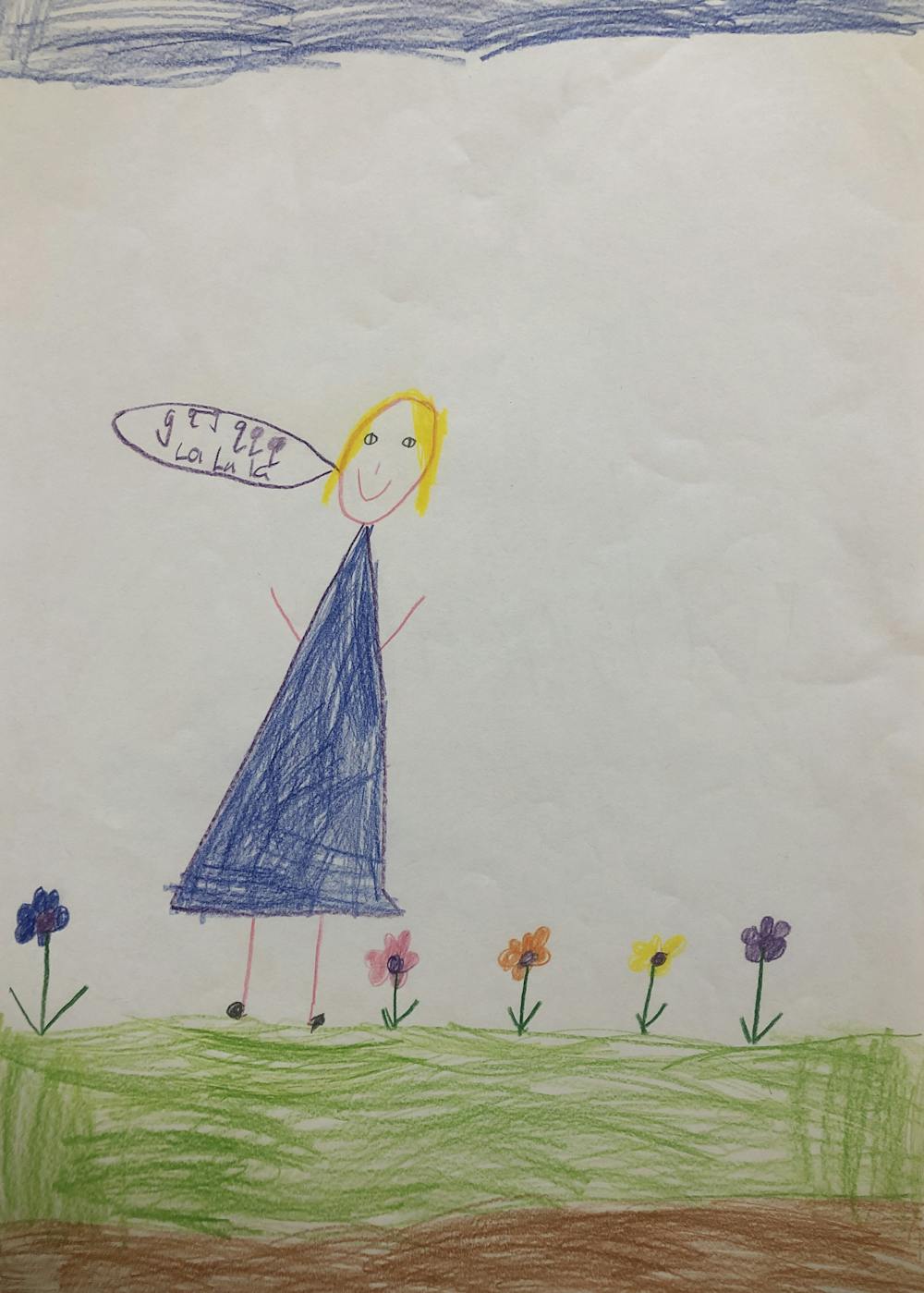
We spoke directly to children who participated in this program. They told us they:
recognised the intrinsic value of music
sang and played musical games at home and at school
made music at home and while travelling in cars
played musical instruments
accessed music using technology
used music for mood and self-regulation
built social interactions and confidence through music and
identified music’s positive impact on literacy and numeracy development.
One very wise year two child said:
I think [music] is just as important as English and maths. I think it is just as important because if you don’t know how to express yourself or play or sing, then your life isn’t going to be as fun as kids that have got education in music.
Impact on teachers and schools
As well as talking to children, we interviewed teachers, mentors and principals.
They saw many positive outcomes from the program, including an enriched school curriculum, locally relevant programs that drew on the interests and activities of the school and its community to create music content, the building of teacher resources, increased confidence in teachers’ music skills and a positive impact on student learning and behaviour.
As part of the mentorship, music did not just take place in discrete lessons. The mentoring program integrated music into daily activities and transitions between regular lessons, changing the atmosphere of entire schools.
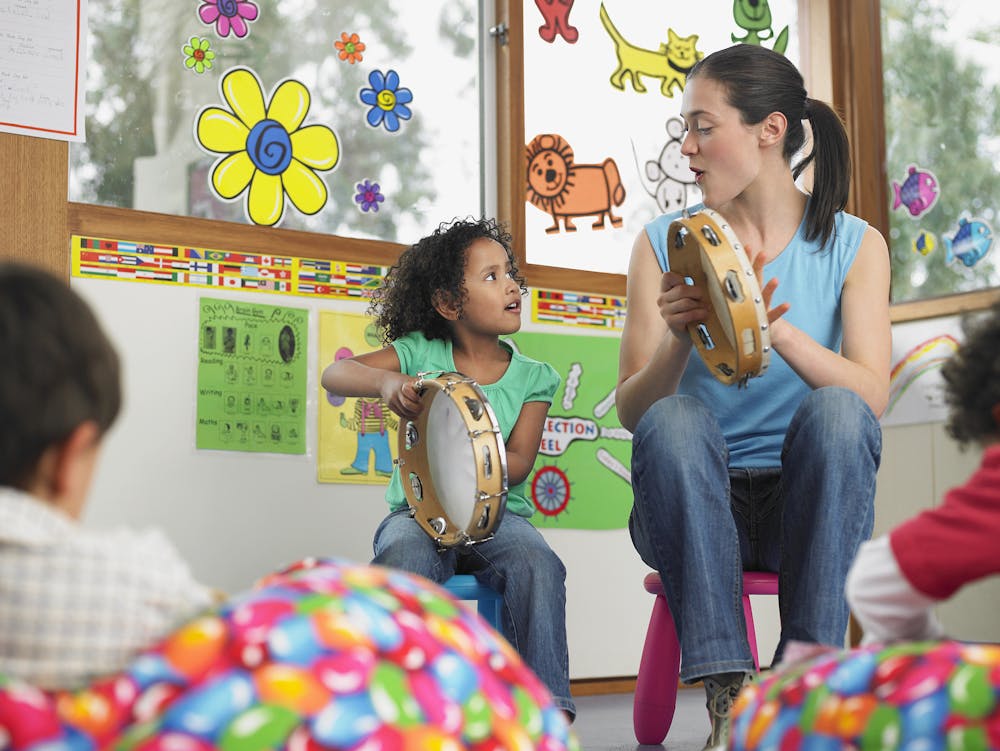 The mentorship program gives early childhood teachers the confidence to teach music in their classrooms.
Shutterstock
The mentorship program gives early childhood teachers the confidence to teach music in their classrooms.
Shutterstock
The morning roll-call became a singing game, short music activities between lessons refreshed children for the next task and children continued singing and playing music games out of the classroom in the playground.
Teachers also noted the particular benefits for children from non-English speaking backgrounds who gained English skills and personal confidence through singing and music activities.
As one teacher described:
30% of our students come to us with no English at all, and now they’re learning chunks of language because of singing. Songs make a huge difference to children learning English, because otherwise they’re just silent.
Children with diverse neurological needs also became calmer in the classroom and more actively engaged in learning. One mentor reported:
The teacher was absolutely speechless about this little boy who had a number of learning difficulties, would not speak, incredibly poor self-esteem. But he got up and sang and had confidence.
Bridging the gap between values and skills
The National Music Teacher Mentoring Program has made it possible to upskill classroom teachers with little previous music experience to deliver quality music programs in their schools.
Programs such as this invest in the expertise of specialist music teachers, linking music mentors and teachers to create music programs in primary schools.
Our research has shown early childhood teachers value music highly, but express low confidence in their skills and ability to deliver music education. The National Music Teacher Mentoring program is addressing the gap between values, confidence and skills.
Authors: Margaret S. Barrett, Head of School, Sir Zelman Cowen School of Music and Performance, Monash University


















