

Lockdowns doubled your risk of mental health symptoms
- Written by: Gery Karantzas, Associate professor in Social Psychology / Relationship Science, Deakin University
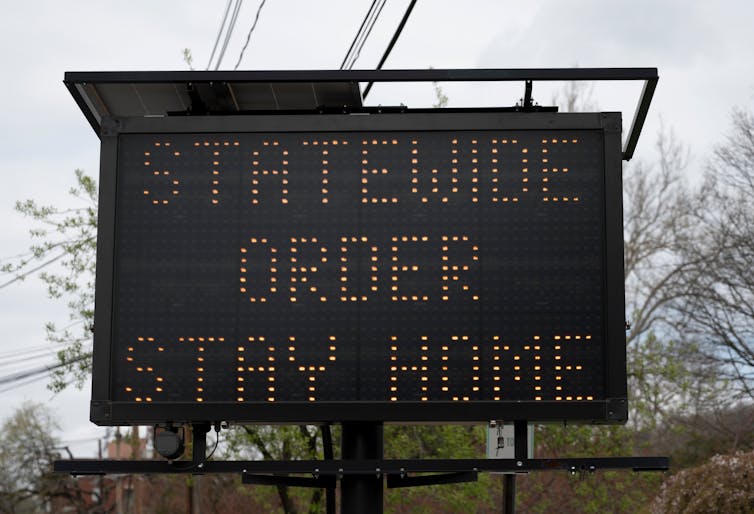
During the almost two years of on-again off-again COVID lockdowns, we heard lots of concern from many different corners about the mental health effects of forcing people to stay home and keep away from friends and family.
Many research projects were undertaken to attempt to measure the scale of the impacts on mental health.
However, the speed with which research was generated meant in some cases, research quality was sacrificed, and some research found evidence of an effect on mental health, and some didn’t.
To make sense of the very mixed findings, my colleagues and I conducted a review of all of the studies on mental health conducted during the first year of the pandemic.
We included 33 published papers which studied a total of nearly 132,000 people across various world regions.
We found that overall, social restrictions doubled people’s odds of experiencing mental health symptoms. This means, of those who participated in these studies, those who experienced lockdowns were twice as likely to experience mental ill health than those who didn’t.
This finding can be broken down further by different mental health symptoms. Social restrictions saw the odds people would experience symptoms of depression increase by over 4.5 times, the odds of experiencing stress increased by nearly 1.5 times, and the odds of experiencing loneliness almost doubled.
When we drilled down further into these results, we found the length and strictness of lockdowns affected mental health symptoms differently. For example, strict lockdowns increased depression, whereas the onset of social restrictions increased stress. Low social restrictions, where there were some restrictions in place but not total lockdown, were associated with increases in anxiety.
Also, mental health outcomes differed by age, with young and middle-aged adults reporting greater negative mental health symptoms than older adults.
What lessons can we take away from these findings?
The findings give us a good idea of what public health outreach should look like in the event of future pandemics.
Anxiety was most prevalent when low restrictions were introduced. This could be due to the fact people were nervous about the precarity of the situation and where the virus could be circulating. The introduction of such measures should be accompanied by public health messaging and interventions that focus on alleviating chronic fear and worry.
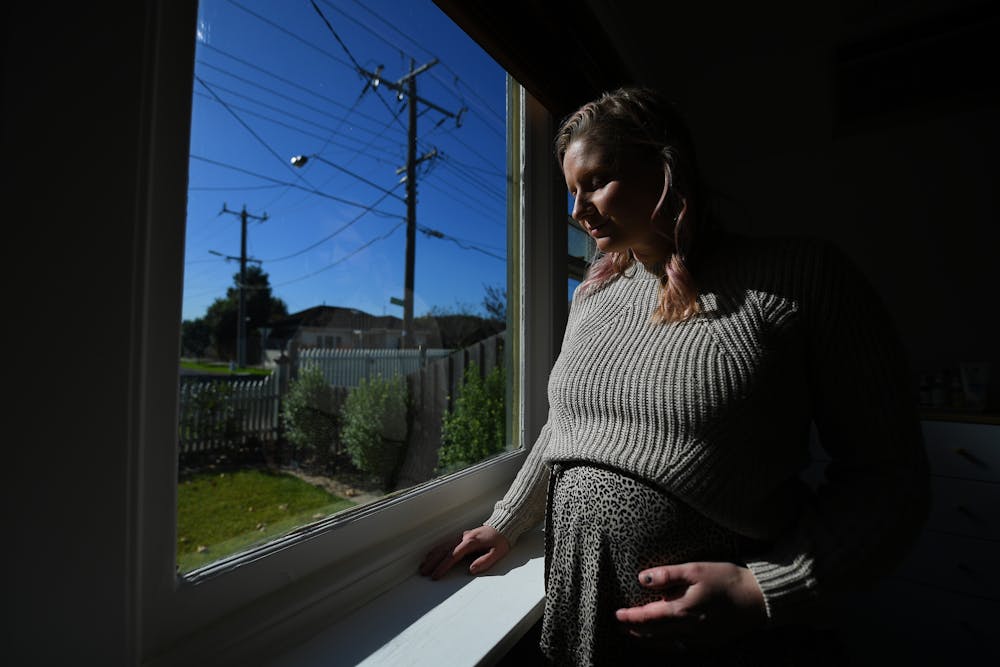
During the periods of strict social restrictions, the predominant mental health issue was depression, meaning mental health responses should focus on combating depressive-related symptoms such as hopelessness and loss of purpose.
The findings for stress suggest symptoms are likely to intensify during the early stages of social restriction enforcement. This is probably because the onset of restrictions communicates to people an increase in the seriousness of the pandemic threat, and people have to work very hard to re-organise their lives if restrictions involve the need to work from home and home-school.
Read more: Lockdowns make people lonely. Here are 3 steps we can take now to help each other
During these times, providing messaging and interventions that help people manage their stress, such as dealing with work stress or the stress of home-schooling children, may be especially important. For parents, making them feel capable in the home classroom and promoting strategies that foster positive family functioning (such as more constructive communication and problem-solving) could reduce parental and family stress.
Given social restrictions were found to be associated with increases in loneliness, promotion of digital technologies to keep people feeling connected is also important.
Across all these mental health issues, messages that communicate these symptoms are to be expected are likely to help individuals normalise and acknowledge the nature and severity of their symptoms. This, in turn, may prompt people to seek help for their mental health symptoms.
Research quality was poor
Another important point to highlight from our review is the research conducted during the first year of the pandemic was generally of poor quality.
This is because good measures of social restrictions were hard to come by in studies. Some studies didn’t detail the specific restrictions in place in various cities, or did not ask study participants to what extent they complied with restrictions.
Also, some studies surveyed people’s mental health symptoms on the day social restrictions were first enforced. Most people are likely to experience heightened but temporary spikes in mental health symptoms that may naturally reduce after the initial lockdown announcements. This means it’s difficult to get a handle on the “true” mental health effects of social restrictions on the first day restrictions are activated.
However, the effects of social restrictions on mental health symptoms were similar across studies where people were surveyed at one time point and where they were surveyed on more than one occasion during restrictions. This suggests the estimated effects seem robust, despite many studies not having the best assessments of social restrictions.
The findings of our review show that although we have a way to go in the way we conduct research into the mental health effects of COVID-19 social restrictions, the initial research highlights these restrictions indeed negatively impacted the mental well-being of citizens.
Although such restrictions may be an effective public health response to mitigate the spread of viruses such as COVID-19, there needs to be a co-ordinated response to safeguard people’s physical and mental health.
Authors: Gery Karantzas, Associate professor in Social Psychology / Relationship Science, Deakin University
Read more https://theconversation.com/lockdowns-doubled-your-risk-of-mental-health-symptoms-180953


















