

Multi-coloured plants are suddenly a home decor 'must-have'. Here's how to keep them alive
- Written by: Gregory Moore, Doctor of Botany, The University of Melbourne
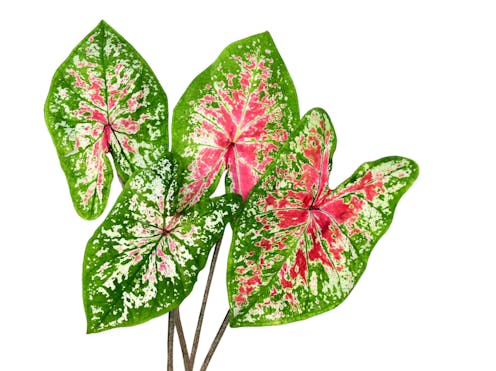
Fads and fashion have always influenced the plants we keep. And so it is with variegated plants, which have become very popular with indoor plant enthusiasts these days.
Variegated plants possess multiple colours – typically on their leaves, but in some cases on stems, flowers and fruit. Their patterns include stripes, dots, edges and patches. They’re usually green with either white or yellow, but can also feature red, pink, silver and other colours.
Variegated plants can divide opinion. I recall a great aunt telling me many years ago of her great fondness for the variegated Aspidistra elatior growing her garden. But I’ve also heard gardeners and garden designers dismiss variegated foliage because it didn’t fit with their design or colour themes.
Now, it seems indoor variegated plants are considered a “must-have” home decor accessory. But before you rush out and buy one, make sure you know how to keep it happy.
Understanding variegated plants
Most plant species are entirely green but occasionally a variegated individual arises. Some catch the eye of a dedicated plant collector or nursery worker and become a popular variety.
Plant variegation can occur for several reasons.
In some plants, such as the flowers of tulips, it’s due to a viral infection. The resulting streaks of different colours may be cursed or valued depending on the aesthetic effect.
Others plants, such as those in the genus coleus, are naturally patterned. Groups of cells produce different colour combinations, causing leaves to grow with attractive markings.
Plant variegations can also arise from genetic mutation.
Read more: Curious Kids: Why are leaves green?
When growing variegated plants, it’s important to understand how the various colours affect the way it functions.
The green part of plants contains chlorophyll, a pigment essential for photosynthesis. (Photosynthesis, of course, is the process by which the leaves convert sunlight into oxygen and carbohydrate that provides energy for plants to grow.)
In variegated plants, white parts of leaves do not contain chlorophyll and so do not photosynthesise.
Yellow parts of leaves can help send energy to the chlorophyll, but can’t perform photosynthesis on their own. The same goes for some red, orange and pink patches of tissue.
But all cells in the leaf – green or not – use the plant’s energy. That means variegated plants are less efficient energy producers than their all-green counterparts, which causes them to grow more slowly.
Some plants have mutated into albinos containing no chlorophyll. These normally die within a few days or weeks of germination.
Caring for your plant indoors
It’s no coincidence many popular indoor plants – such as coleus, philodendrons, monsteras, dracaenas and calatheas – are variegated. Because they’re usually far less vigorous than all-green versions of the species, they won’t be pushing against the ceiling within weeks.
The decorative colour and pattern of a variegated indoor plant is an added bonus.
Variegated plants can take longer than others to reach a size considered appropriate for sale at a nursery, so may be comparatively more expensive. But there are ways to protect your variegated investment.
First, watch out for “reversion”. This can occur when a variegated plant sends up an all-green shoot. The shoot will grow fast compared to the variegated parts and can eventually take over, causing the whole plant to revert to green.
To avoid this, vigilantly remove any green shoots before they get big.
You don’t want variegated plants quickly outgrowing their space, but remember they’re low on chlorophyll and so need good light.
And like any indoor plant, ensure its leaves are kept free of fine dust and you don’t give it too much, or too little, water.
Read more: Why apartment dwellers need indoor plants
Variegated plants in the garden
The popularity of indoor variegated plants will almost certainly lead to greater use outdoors.
Their slow-growing nature means outdoor variegated plants are usually much less likely to be “weedy” and spread where they’re not wanted.
This can be an advantage if you’ve avoided planting a species because it will take over the garden. The variegated versions of pittosporum, ficus and nerium oleander, for example, are far less intent on global domination than their all-green counterparts.
When planting a variegated plant outdoors, watch that it doesn’t become shaded by other quicker-growing plants. Many variegated plants already struggle to photosynthesise sufficiently. A bit of extra shade can damage or even kill them.
So ensure they get enough light – and every so often give them a hand by trimming back nearby plants.
Growing with flying colours
Variegated plants are having their moment in the sun. But their interesting biology is always in fashion!
These plants can brighten up your indoor space and provide attractive colour and pattern in the garden.
By learning about how variegated plants function and considering their special requirements, you can enjoy them for years to come.
Read more: Trees get sunburnt too – but there are easy ways to protect them, from tree 'sunscreen' to hydration
Authors: Gregory Moore, Doctor of Botany, The University of Melbourne


















