

what does Shakespeare tell us of war?
- Written by: Robert White, Winthrop Professor of English, The University of Western Australia
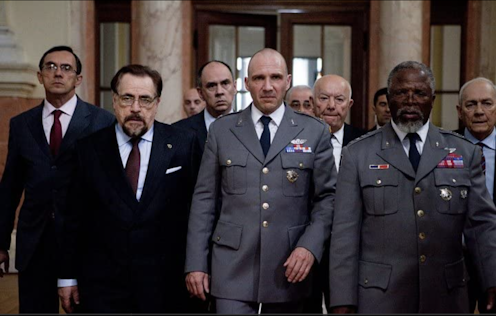
Only two days separate Anzac Day and Shakespeare’s (presumed) birthday and actual death-day. This proximity is coincidental. But amid a war in Ukraine, being reported in horrifyingly graphic detail from the point of view of the victims, and given Shakespeare is the world’s most-quoted, most-performed and most studied writer, it is reasonable to ask: what does he tell us of war?
In 26 of his 38 plays, Shakespeare includes a war in either foreground or background. In all these, anti-war invectives abound in epigrammatic phrases: “O, war thou son of hell” (Henry VI, part 2); “the hideous god of war”; “war and lechery confound all” (Troilus and Cressida); “dogged war bristle[s] his angry crest / And snarleth in the gentle eyes of peace” (King John).
Soldiers are regarded by civilians as cruelly taking “our goodly agèd men by th’beards” and indulging unbridled sexual violence in “Giving our holy virgins to the stain /Of contumelious, beastly, mad-brained war” (Timon of Athens).
For students and politicians used to reciting Henry V’s stirring “Once more unto the breach …” and “St Crispin’s Day” speeches before and after the battle of Agincourt, it is often assumed Shakespeare must support war and heroic values, epitomised in an “ideal king”.
However, the respective dramatic contexts undercut the King’s rhetoric. There are also strong arguments in the play that his invasion of France is illegal and unjustifiable, and he is guilty of war crimes, such as conscripting children, killing prisoners of war, and threatening a town with genocide. Soldiers are “bloody-hunting slaughtermen”. In “impious” war, bloody corpses are seen “larding the plain”.
Meanwhile, in other plays, some sympathetic and morally scrupulous characters condemn the tragic futility and violence of war. Hamlet meditates over a piece of worthless, depopulated scorched earth “wasteland”, over which “the imminent deaths twenty thousand men’ … [will] go to their graves like beds”, fighting “even for an eggshell” “which is not tomb enough and continent /To hide the slain”.
The saintly, pacifist King Henry VI quotes Christ’s words while brooding on the high moral ground of a hill overlooking battle in “civil butchery”, intra-family, mafia-like vendettas pitting families against each other and resulting in mutual slaughter of fathers and sons.
In revenge plays such as Titus Andronicus and Hamlet, the cessation of one conflict is simply the prelude to the next in a succession ending only with the deaths of all antagonists, like today’s nightmare spectre of a sequence of retaliatory nuclear strikes.
Read more: Guide to the classics: Shakespeare's Hamlet, the Everest of literature
An outspoken anti-war work
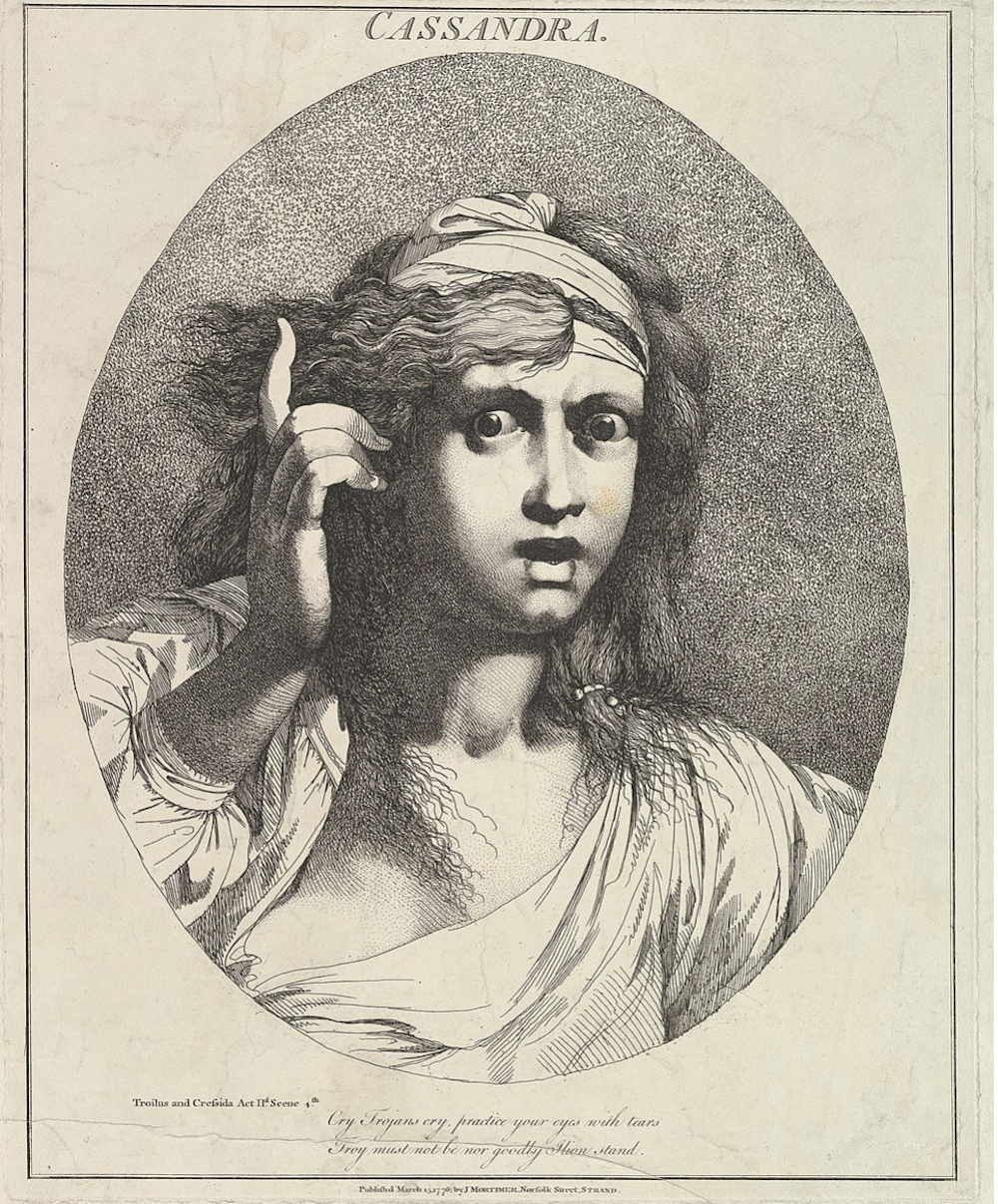
Troilus and Cressida is widely acknowledged as among the most outspoken anti-war works of all time. It chronicles a squalid war waged over the forced abduction of a woman, who is regarded as little more than a symbolic trophy.
The prophetess Cassandra, speaking as much for future generations as her own, condemns the Trojan war, calling upon “Virgins and boys, mid-age and wrinkled old, /Soft infancy, that nothing canst but cry”, to weep in protest at the “mass of moan to come”.
The fate of the “heroic” Hector in the play is ignominiously humiliating:
He’s dead; and at the murderer’s horse’s tail, / In beastly sort, dragg’d through the shameful field … Hector is dead, There is no more to say.
So much for heroism.
Another brutally dismissive epitaph – “Let’s make the best of it” – is uttered over the corpse of Coriolanus, the most single-minded, professional soldier in Shakespeare’s canon. “Chief enemy to the people”, he is a sociopath and prey to violent outbursts of anger.
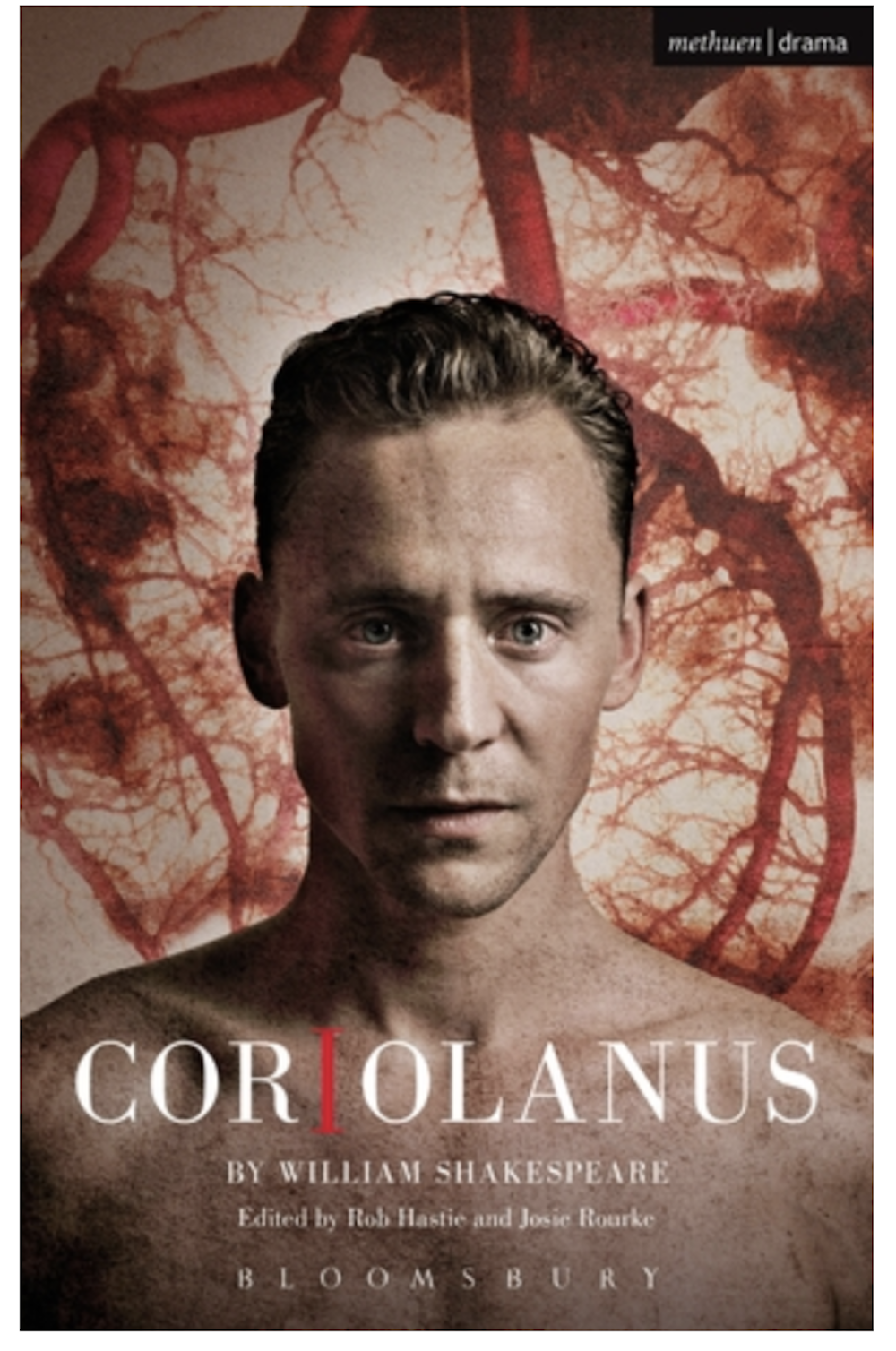 More machine than man, his role resembles the modern arms industry, owing allegiance to no national state and selling weapons indiscriminately to either side of conflicts.
Having turned against Rome and then against his new associates in arms, Coriolanus is finally hacked to death unceremoniously by Volscians baying “kill, kill, kill…”
He is remembered as one who, “in this city [Rome] … /Hath widow’d and unchilded many a one, /Which to this hour bewail the injury”.
Morally fallible military officers
In these and other plays, Shakespeare places the blame for unjust and destructive wars squarely upon the heads of morally fallible military officers. For some reason, the playwright had a fascination for psychologically damaged, high-ranking soldiers, presenting them as case studies of “the military mind”.
Macbeth is introduced as a soldier credited with “unseaming .. from the nave to the chaps” and decapitating enemies. He rapidly descends into equally bloody regicide and embarks on a tyrannical reign, using hired killers to assassinate political rivals (Banquo) and slaughter innocent families of opponents (Lady Macduff and her children).
More machine than man, his role resembles the modern arms industry, owing allegiance to no national state and selling weapons indiscriminately to either side of conflicts.
Having turned against Rome and then against his new associates in arms, Coriolanus is finally hacked to death unceremoniously by Volscians baying “kill, kill, kill…”
He is remembered as one who, “in this city [Rome] … /Hath widow’d and unchilded many a one, /Which to this hour bewail the injury”.
Morally fallible military officers
In these and other plays, Shakespeare places the blame for unjust and destructive wars squarely upon the heads of morally fallible military officers. For some reason, the playwright had a fascination for psychologically damaged, high-ranking soldiers, presenting them as case studies of “the military mind”.
Macbeth is introduced as a soldier credited with “unseaming .. from the nave to the chaps” and decapitating enemies. He rapidly descends into equally bloody regicide and embarks on a tyrannical reign, using hired killers to assassinate political rivals (Banquo) and slaughter innocent families of opponents (Lady Macduff and her children).
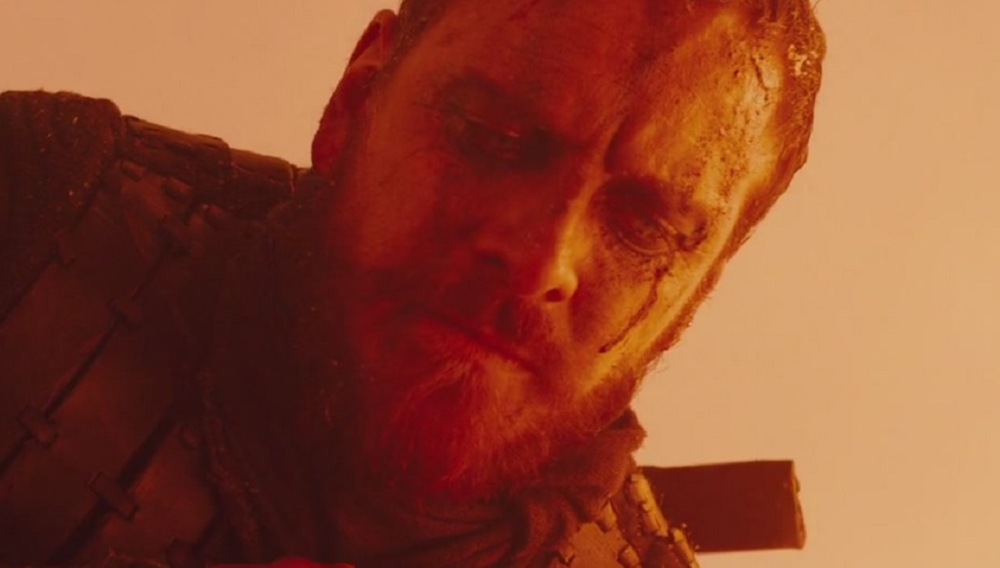 Michael Fassbinder as Macbeth in a 2015 film adaptation: a soldier ‘unseaming’.
See-Saw Films, DMC Film, Anton
Othello’s default position as a general, even in marriage, is to trust his military ensign over his innocent wife, as a result turning his marriage into a misplaced battlefield of domestic violence and murder.
Henry V is predisposed to behavioural patterns of threatening, lying and blaming others for his own insecurities and faults. He is also a hopeless lover, curiously vowing to love Katherine “cruelly” and with the stated preference in love to “lay on like a butcher”.
Michael Fassbinder as Macbeth in a 2015 film adaptation: a soldier ‘unseaming’.
See-Saw Films, DMC Film, Anton
Othello’s default position as a general, even in marriage, is to trust his military ensign over his innocent wife, as a result turning his marriage into a misplaced battlefield of domestic violence and murder.
Henry V is predisposed to behavioural patterns of threatening, lying and blaming others for his own insecurities and faults. He is also a hopeless lover, curiously vowing to love Katherine “cruelly” and with the stated preference in love to “lay on like a butcher”.
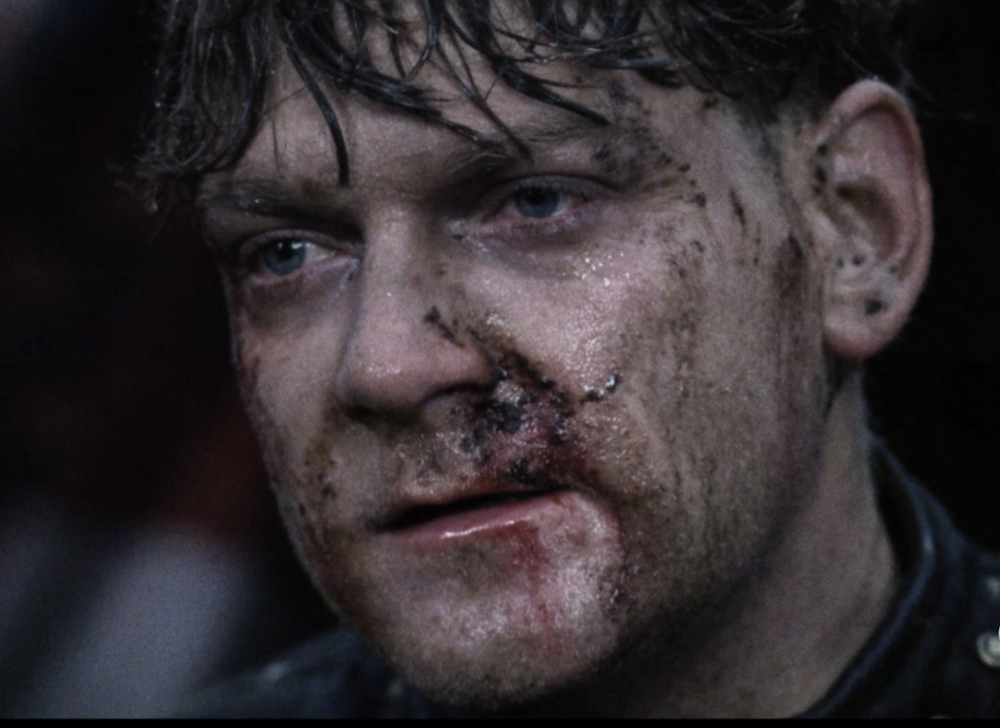 Kenneth Branagh as Henry V in the 1989 film adaptation.
Renaissance Films, BBC, Curzon Film Distributors
His hope that she will prove “a good soldier-breeder” comes as words spoken in the language of “plain soldier”. (Katherine’s silence suggests she does not express agreement!).
As a group these military officers are a sorry lot and (all but Henry) come to sorry ends, but the fundamental cause of their downfalls is the value system inherent in their training in a violent profession dedicated to war.
Respect for low-born soldiers
However, Shakespeare respects and values low-born, often conscripted soldiers, who themselves have profound doubts about war. Their primary emotions are fear and concern for their families and future livelihoods.
Immediately following Henry’s “to the breach” speech, we have this exchange between low-ranking soldiers, first parodying the King’s rhetoric, then fearful, then homesick:
BARDOLPHOn, on, on, on, on! to the breach, to the breach!NYMPray thee, corporal, stay: the knocks are too hot; and, for mine own part, I have not a case of lives …BOYWould I were in an alehouse in London. I would give all my fame for a pot of ale and safety.
Later, Henry (in disguise, a kind of identity lie), is challenged by his own soldier, the dignified John Williams, who speaks from the heart for many a soldier over the ages. He questions leaders using the men to wage their own, personally motivated battles:
But if the cause be not good, the King himself hath a heavy reckoning to make when all those legs, and arms and heads chopped off in a battle shall join together at the latter day and cry all ‘We died at such a place’, some swearing, some crying for a surgeon, some upon their wives left poor behind them, some upon the debts they owe, some upon their children rawly left.
I am afeard there are few die well that die in a battle for how can they charitably dispose of anything when blood is their argument?
It is a quietly telling rebuke to the King who has led the invasion.
Read more:
Marx, Freud, Hitler, Mandela, Greer... Shakespeare influenced them all
Maimed veterans
Elizabethan drama, and its society, is littered with “Captain Stump” figures, army veterans who return physically maimed and traumatised. Williams recalls those audiences in the playhouse “pit” in Shakespeare’s Globe, potential conscripts to Elizabeth’s army, contemptuously dismissed by the recruiting officer as cattle fodder:
Tut, tut; good enough to toss; food for powder, food for powder; they’ll fill a pit as well as better …
Shakespeare extends also to civilians his innate gift of empathy with victims, envisaging war from their point of view. Showing that the nature of war has barely changed over the centuries, except for the size and scale of lethal weaponry, are Shakespeare’s descriptions of siege warfare designed to shock and awe civilians into surrender, a strategy as much outlawed by medieval and early modern chivalric laws as the modern Geneva Conventions protecting civilians.
They are prescient of scenes in Kabul, Baghdad, Tripoli, Mariupol and too many other modern cities. There are several Shakespearean examples (see Edward III especially), but again Henry V is the main offender.
Kenneth Branagh as Henry V in the 1989 film adaptation.
Renaissance Films, BBC, Curzon Film Distributors
His hope that she will prove “a good soldier-breeder” comes as words spoken in the language of “plain soldier”. (Katherine’s silence suggests she does not express agreement!).
As a group these military officers are a sorry lot and (all but Henry) come to sorry ends, but the fundamental cause of their downfalls is the value system inherent in their training in a violent profession dedicated to war.
Respect for low-born soldiers
However, Shakespeare respects and values low-born, often conscripted soldiers, who themselves have profound doubts about war. Their primary emotions are fear and concern for their families and future livelihoods.
Immediately following Henry’s “to the breach” speech, we have this exchange between low-ranking soldiers, first parodying the King’s rhetoric, then fearful, then homesick:
BARDOLPHOn, on, on, on, on! to the breach, to the breach!NYMPray thee, corporal, stay: the knocks are too hot; and, for mine own part, I have not a case of lives …BOYWould I were in an alehouse in London. I would give all my fame for a pot of ale and safety.
Later, Henry (in disguise, a kind of identity lie), is challenged by his own soldier, the dignified John Williams, who speaks from the heart for many a soldier over the ages. He questions leaders using the men to wage their own, personally motivated battles:
But if the cause be not good, the King himself hath a heavy reckoning to make when all those legs, and arms and heads chopped off in a battle shall join together at the latter day and cry all ‘We died at such a place’, some swearing, some crying for a surgeon, some upon their wives left poor behind them, some upon the debts they owe, some upon their children rawly left.
I am afeard there are few die well that die in a battle for how can they charitably dispose of anything when blood is their argument?
It is a quietly telling rebuke to the King who has led the invasion.
Read more:
Marx, Freud, Hitler, Mandela, Greer... Shakespeare influenced them all
Maimed veterans
Elizabethan drama, and its society, is littered with “Captain Stump” figures, army veterans who return physically maimed and traumatised. Williams recalls those audiences in the playhouse “pit” in Shakespeare’s Globe, potential conscripts to Elizabeth’s army, contemptuously dismissed by the recruiting officer as cattle fodder:
Tut, tut; good enough to toss; food for powder, food for powder; they’ll fill a pit as well as better …
Shakespeare extends also to civilians his innate gift of empathy with victims, envisaging war from their point of view. Showing that the nature of war has barely changed over the centuries, except for the size and scale of lethal weaponry, are Shakespeare’s descriptions of siege warfare designed to shock and awe civilians into surrender, a strategy as much outlawed by medieval and early modern chivalric laws as the modern Geneva Conventions protecting civilians.
They are prescient of scenes in Kabul, Baghdad, Tripoli, Mariupol and too many other modern cities. There are several Shakespearean examples (see Edward III especially), but again Henry V is the main offender.
 An elderly local resident stands behind a destroyed part of the Illich Iron & Steel Works Metallurgical Plant in Mariupol on April 17.
Alexei Alexandrov/AP
Calls to surrender
In a lengthy ultimatum to the citizens of Harfleur in Normandy town, Henry offers them “mercy” if they surrender. He then itemises the consequences if they don’t, speaking not as a king but “as I am a soldier, /A name that in my thoughts become me best”:
If I begin the battery once again,I will not leave the half-achieved Harfleur Till in her ashes she lie buried.
The gates of mercy shall be all shut up, And the fleshed soldier, rough and hard of heart,In liberty of bloody hand shall range With conscience wide as hell, mowing like grass Your fresh-fair virgins and your flowering infants.
Washing his hands of responsibility he repeatedly asks, “What is it then to me?” if his soldiers rape women and kill children, and the city is “Enlinked to waste and desolation”. As if morbidly fixated on licensing sexual violence, he repeats:
What is’t to me, when you yourselves are cause,If your pure maidens fall into the handOf hot and forcing violation?
Henry promises defiance will lead to “The filthy and contagious clouds /Of heady murder, spoil and villainy”. Yet again, the same threats come, still casting blame for violence on the citizens themselves:
Therefore, you men of Harfleur, Defile the locks of your shrill-shrieking daughters,Your fathers taken by the silver beards, And their most reverend heads dashed to the walls, Your naked infants spitted upon pikes, Whiles the mad mothers with their howls confusedDo break the clouds …
An elderly local resident stands behind a destroyed part of the Illich Iron & Steel Works Metallurgical Plant in Mariupol on April 17.
Alexei Alexandrov/AP
Calls to surrender
In a lengthy ultimatum to the citizens of Harfleur in Normandy town, Henry offers them “mercy” if they surrender. He then itemises the consequences if they don’t, speaking not as a king but “as I am a soldier, /A name that in my thoughts become me best”:
If I begin the battery once again,I will not leave the half-achieved Harfleur Till in her ashes she lie buried.
The gates of mercy shall be all shut up, And the fleshed soldier, rough and hard of heart,In liberty of bloody hand shall range With conscience wide as hell, mowing like grass Your fresh-fair virgins and your flowering infants.
Washing his hands of responsibility he repeatedly asks, “What is it then to me?” if his soldiers rape women and kill children, and the city is “Enlinked to waste and desolation”. As if morbidly fixated on licensing sexual violence, he repeats:
What is’t to me, when you yourselves are cause,If your pure maidens fall into the handOf hot and forcing violation?
Henry promises defiance will lead to “The filthy and contagious clouds /Of heady murder, spoil and villainy”. Yet again, the same threats come, still casting blame for violence on the citizens themselves:
Therefore, you men of Harfleur, Defile the locks of your shrill-shrieking daughters,Your fathers taken by the silver beards, And their most reverend heads dashed to the walls, Your naked infants spitted upon pikes, Whiles the mad mothers with their howls confusedDo break the clouds …
 And all of these consequences, Henry, indifferent to imagined horrors or legal and moral constraints, outrageously warns, will be the fault of the helpless people of Harfleur!: “What say you? will you yield, and this avoid? /Or, guilty in defence, be thus destroyed?”.
There surely can be no more effective condemnation of war’s atrocities, from the mouth of one prepared to authorise them. The speech is not just an unadorned indictment of a composite war leader and soldier, but of war itself.
Since Shakespeare’s plays are still internationally performed with ever-changing contemporary applications, their treatment of war can on stage make the phrase “lest we forget” more than an empty slogan, implicitly prompting the question, “when will we ever learn?”.
Authors: Robert White, Winthrop Professor of English, The University of Western Australia
And all of these consequences, Henry, indifferent to imagined horrors or legal and moral constraints, outrageously warns, will be the fault of the helpless people of Harfleur!: “What say you? will you yield, and this avoid? /Or, guilty in defence, be thus destroyed?”.
There surely can be no more effective condemnation of war’s atrocities, from the mouth of one prepared to authorise them. The speech is not just an unadorned indictment of a composite war leader and soldier, but of war itself.
Since Shakespeare’s plays are still internationally performed with ever-changing contemporary applications, their treatment of war can on stage make the phrase “lest we forget” more than an empty slogan, implicitly prompting the question, “when will we ever learn?”.
Authors: Robert White, Winthrop Professor of English, The University of Western Australia 

















