

Regaining fitness after COVID infection can be hard. Here are 5 things to keep in mind before you start exercising again
- Written by: Clarice Tang, Senior lecturer in Physiotherapy, Western Sydney University
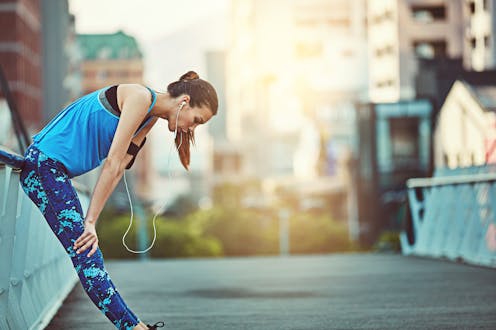
Are you finding it difficult to get moving after having COVID? You are not alone. Even if you have mild symptoms, you may still experience difficulty in regaining your fitness.
Building back up to exercise is important, but so is taking it slowly.
In general, most people can start to return to exercise or sporting activity after experiencing no symptoms for at least seven days. If you still have symptoms two weeks post-diagnosis, you should seek medical advice.
It’s normal for your body to feel fatigued while you are fighting a viral infection, as your body uses up more energy during this period. But it’s also very easy to lose muscle strength with bed rest. A study of older adults in ICU found they could lose up to 40% of muscle strength in the first week of immobility.
Read more: Fatigue after COVID is way more than just feeling tired. 5 tips on what to do about it
Weaker muscles not only negatively impact your physical function but also your organ function and immune system, which are vital in regaining your strength after COVID-19.
You might consider doing some very gentle exercises (such as repeated sit to stands for a minute, marching on the spot or some light stretches) to keep your joints and muscles moving while you have COVID, especially if you are older, overweight, or have underlying chronic diseases.
Read more: At home with COVID? 5 easy tips to help you breathe more easily
Five things to keep in mind about exercising after COVID
If you do feel you are ready to return to exercise and have not experienced any COVID-related symptoms for at least seven days, here are five things to remember when resuming exercise.
1)Adopt a phased return to physical activity. Even if you used to be a marathon runner, start at a very low intensity. Low intensity activities include walking, stretching, yoga and gentle strengthening exercises.
2)Strengthening exercises are just as important as cardio. Strength training can trigger the production of hormones and cells that boost your immune system. Bodyweight exercises are a great starting point if you do not have access to weights or resistance bands. Simple bodyweight exercises can include free squats, calf raises and push-ups.
3)Don’t over-exert. Use the perceived exertion scale to guide how hard you should be working. For a start, aim to only exercise at a perceived exertion rate of two or three out of ten, for 10-15 minutes. During exercise, continue to rate your perceived level of exertion and do not push past fatigue or pain during this early stage as it can set your recovery back.
4)Listen to your body. Only progress the intensity of your exercise and lengthen your exercise duration if you do not experience any new or returning symptoms after exercise, and if you have fully recovered from the previous day’s exercise. Do not over-exert. You may also need to consider having a rest day between exercise sessions to allow time for recovery.
5)Look out for worrying symptoms. If you experience chest pain, dizziness or difficulty with breathing during exercise, stop immediately. Seek urgent medical advice if symptoms persist after exercise. And if you experience increased fatigue after exercise, talk to your GP.
Beware post-exertional malaise
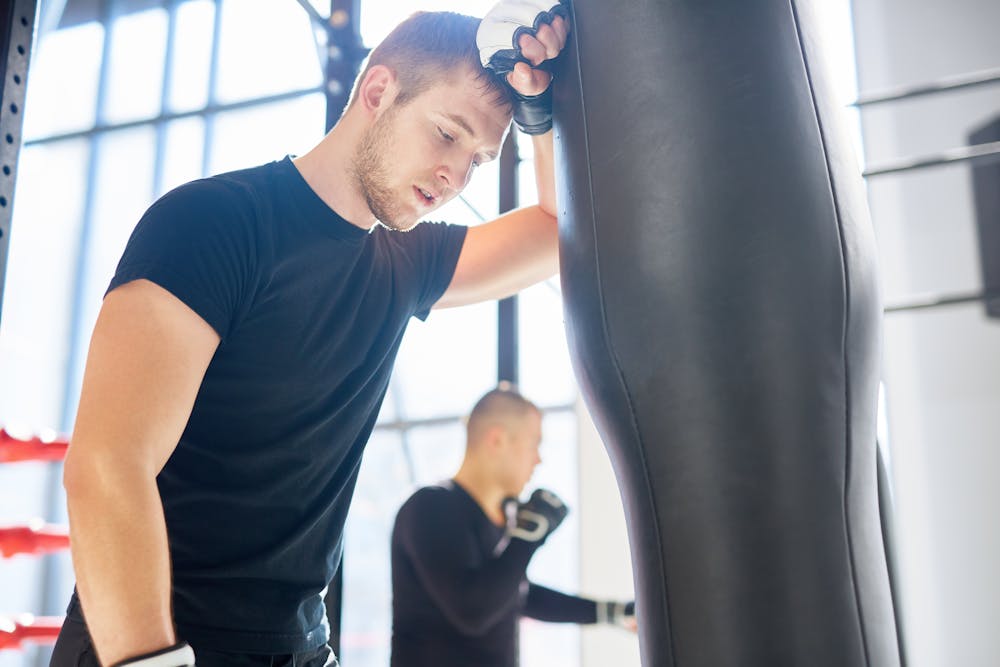
For most people, exercise will help you feel better after COVID-19 infection. But for some, exercise may actually make you feel worse by exacerbating your symptoms or bringing about new symptoms.
Post-exertional malaise can be experienced by people resuming exercise post-COVID infection. It occurs when an individual feels well at the start of the exercise but experiences severe fatigue immediately afterwards. In addition to fatigue, people with post-exertional malaise can also experience pain, emotional distress, anxiety and interrupted sleep after exercise.
If you believe you may have post-exertional malaise, you need to stop exercise immediately. Regular rest and spreading your activities throughout the day is needed to avoid triggering post-exertional malaise. Seek advice from your doctor or see a physiotherapist or exercise physiologist who can give you advice on how best to manage this condition.
Authors: Clarice Tang, Senior lecturer in Physiotherapy, Western Sydney University


















