

4 ways we can change our behaviour to adapt to the climate crisis
- Written by: Stefan Kaufman, Senior Research Fellow, Monash University
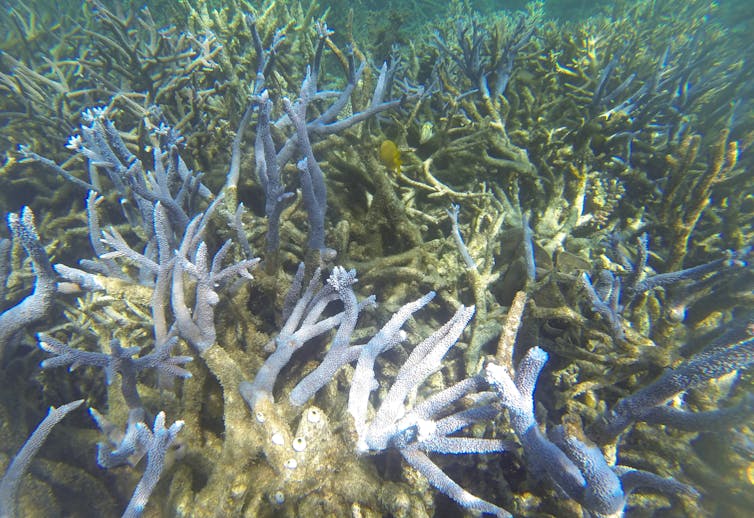
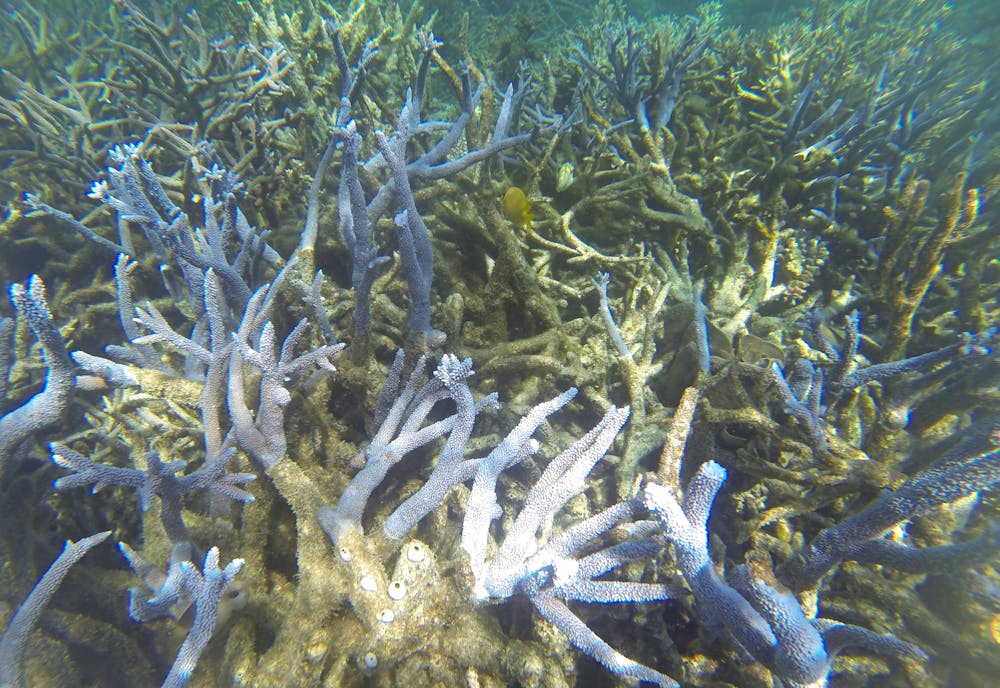
Only four months into 2022, and Australians have already watched several climate disasters unfold across the continent, from coral bleaching to devastating floods and bushfires. These are stark reminders of how climate change can wreak havoc on communities – destroying homes, lives and ecosystems.
The Intergovernmental Panel on Climate Change (IPCC) recently made it clear we can expect both more disasters and long-term environmental changes, even if we restrict global warming to the internationally agreed limit of 1.5℃ this century.
In its February report, the IPCC urged us to better adapt to challenges already locked in. This, however, can feel daunting when many measures required to adapt are outside our personal control, such as bolstering the national economy and reducing industrial greenhouse gas emissions.
It’s often problematic when complex challenges are framed narrowly as the responsibility of individuals to fix themselves. However, it’s becoming increasingly clear that big shifts can come from many such changes. During the COVID pandemic, for example, many individual decisions made a huge difference to public health outcomes.
So how can we, personally, prepare for a future with not only more frequent natural disasters, but one that will also profoundly change the environment, communities and the economy? Let’s look at our options.
Adaptation in Australia
Adaptation in Australia has had peaks and troughs of attention, but there have been recent, positive developments.
In late 2021 the federal government released its update to the National Climate Resilience and Adaptation Strategy – a blueprint to coordinate institutions, provide information on climate impacts, direct funding and monitor adaptation efforts.
Likewise, states and territories have developed comprehensive regional adaptation strategies and cross-institutional action plans.
Still, adaptation researchers and practitioners worldwide agree there’s a gap between the scale of adaptation challenges and the action required to meet them. Indeed, the IPCC recommends that adaptation requires both incremental and transformational change.
However, we are not – as individuals, communities, governments – well equiped to proactively making changes in response to seemingly distant and uncertain threats, which is exactly what climate adaptation requires of us.
But as we’ve seen in past disasters, including the COVID pandemic, we can also act in surprisingly generous, wise, future-orientated ways with the right support.
Research shows many people are already undertaking the following adaptive behaviours. These can be broadly grouped into four categories.
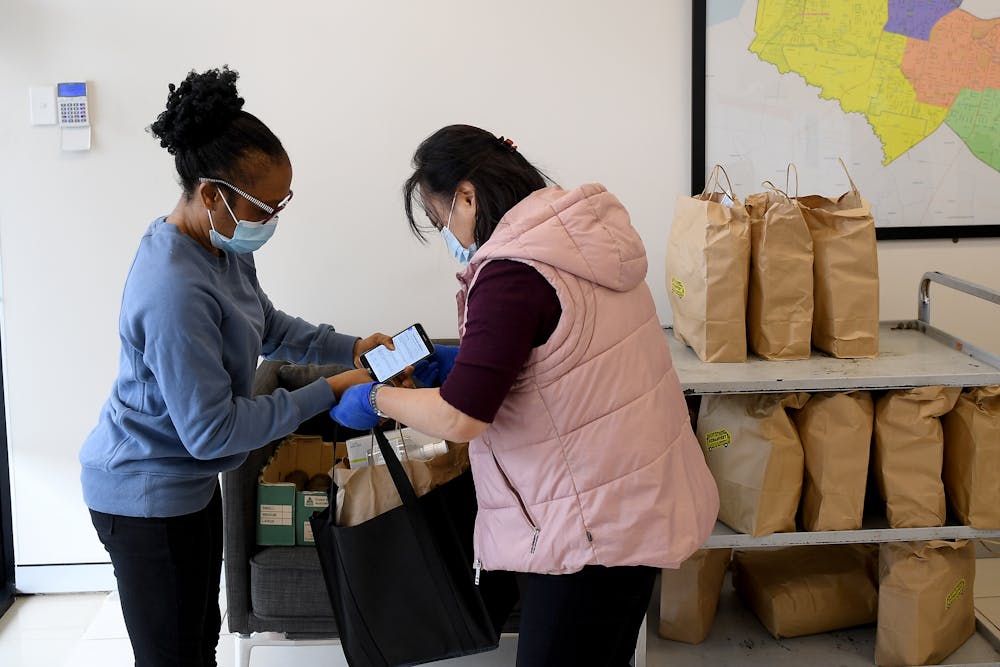 OzHarvest delivered food hampers to some Sydney communities hardest hit by COVID.
AAP Image/Dan Himbrechts
OzHarvest delivered food hampers to some Sydney communities hardest hit by COVID.
AAP Image/Dan Himbrechts
1. Working together to make things better
One way to pursue a healthy community, environment and economy is to demand more of governments and other powerful actors. This could include lobbying climate-exposed businesses, or voting for effective climate adaptation policies such as retrofitting low-income housing to better withstand heatwaves, and other community adaptation goals.
Making changes in your daily life with multiple benefits can help protect the environment and conserve natural resources such as Australia’s forests and wetlands, while reducing your own emissions.
For example, you could reduce or completely avoid purchasing products that drive land clearing (such as beef) or favour food from farms adopting sustainable land management practices that sequester carbon.
2. Keeping and enhancing what we have
Preparing for an uncertain future under climate change not only protects aspects of life we already value, it also reduces immediate risks from disaster.
You could provide urban greenery by planting a street-side or rooftop garden, or plant a water-sensitive indigenous food garden that not only provides habitat, but also local cooling.
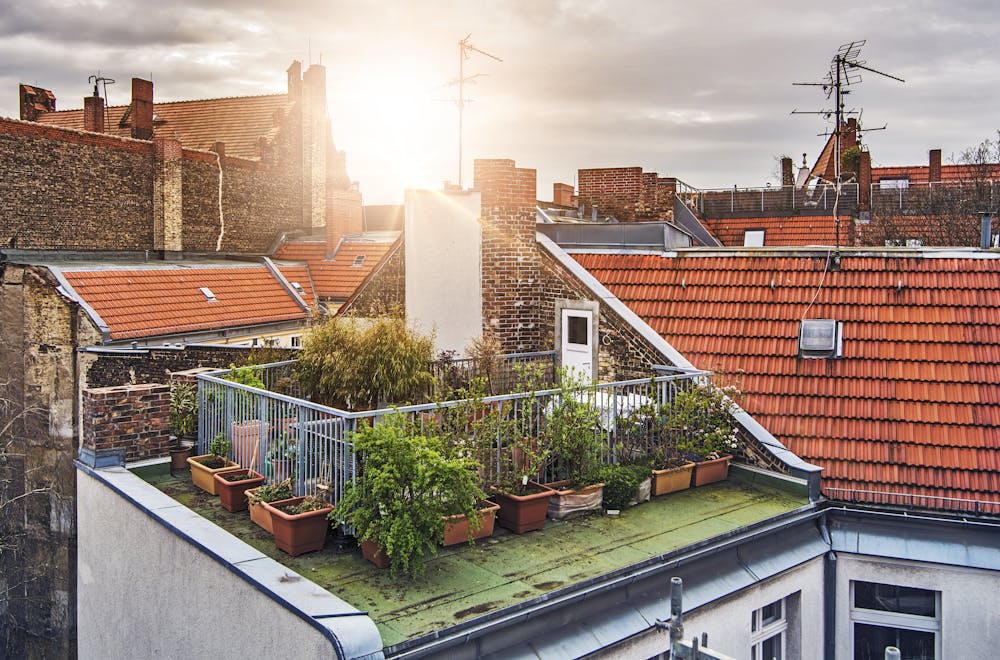 Planting a rooftop garden is a great way to encourage biodiversity in urban areas.
Shutterstock
Planting a rooftop garden is a great way to encourage biodiversity in urban areas.
Shutterstock
But it’s important to consider whether a personally beneficial action in the short term is bad for the community or ourselves in the long term by imposing unintended impacts and shifting risks on others. For example, directing flood water off your property with a barrier might simply cause it to hit your neighbours.
Taking action to proactively protect your family, your house and possessions from climate-induced natural disasters fits into this category. This includes creating emergency kits and plans, better insulating the home, installing storm shutters, and getting flood or cyclone insurance.
Reducing the risk of future harm to vulnerable community members such as the elderly or homeless is also important by, for instance, strengthening the social connections in your neighbourhood (work together on that verge side garden).
Read more: Dangerous urban heat exposure has tripled since the 1980s, with the poor most at risk
3. Avoid harm when impacts occur
So what can we do during a climate disaster? The immediate focus is to protect oneself or others , whether through planned or unplanned actions, to directly mitigate the threat or avoid the harm it can cause.
Examples include carrying water to stay hydrated during a heatwave, sheltering in place, or volunteering to rescue people in your community. We saw the latter most starkly during the recent floods across New South Wales, when locals rescued stranded neighbours using their own boats or jet skis.
It could also mean leaving your home temporarily (such as evacuating to avoid a flood or bushfire) or relocating entirely.
4. Recovery and retreat with dignity
It’s not just physical impacts of climate change we need to be aware of. In its February report, the IPCC put a spotlight on mental health issues associated with climate change for the first time.
As more people experience more extreme weather events, mental health challenges such as anxiety, stress and post traumatic stress disorder are projected to rise. We need to build coping and mindfulness strategies to protect each other, seek counselling, and find solace in community restorative processes.
Helping each other make long-term lifestyle changes in anticipation of this future can help us adjust. This could mean changing when school holidays occur to avoid worsening bushfires, or pursuing sufficiency lifestyles.
Read more: Rapidly increasing climate change poses a rising threat to mental health, says IPCC
Limiting global warming to 1.5℃ above pre-industrial levels will see increasing disasters and longer term stresses on what we value. But taking action now can reduce the threat, and reduce the harm when it occurs - join the many people taking action now.
Authors: Stefan Kaufman, Senior Research Fellow, Monash University
Read more https://theconversation.com/4-ways-we-can-change-our-behaviour-to-adapt-to-the-climate-crisis-177628


















