

our report card on the government's handling of Australia's extinction crisis
- Written by: Sarah Bekessy, Professor in Sustainability and Urban Planning, Leader, Interdisciplinary Conservation Science Research Group (ICON Science), RMIT University
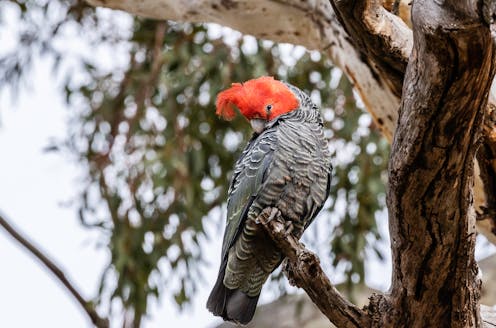
Australia is losing more biodiversity than any other developed nation. Already this year the charismatic and once abundant gang gang cockatoo has been added to our national threatened species list, the koala has been listed as endangered and the Great Barrier Reef suffered another mass bleaching event.
The Australian public consistently rates the loss of our unique plants and animals as a key concern. Indeed, in a recent poll of 10,000 readers of The Conversation, “the environment” was identified as the second-biggest issue affecting their lives, behind climate change at number one.
The Coalition has been in government since 2013. So what has it done about the biodiversity crisis? Unfortunately, the state of Australia’s plants, animals and ecological communities suggests the answer is - not nearly enough.
In fact, as the extinction crisis has escalated, protection and recovery for threatened species has declined. Poor decisions are contributing to the problem, rather than solving it.
The sorry state of Australia’s biodiversity
Australia has formally acknowledged the extinction of 104 native species since European colonisation, but the true number is likely much higher.
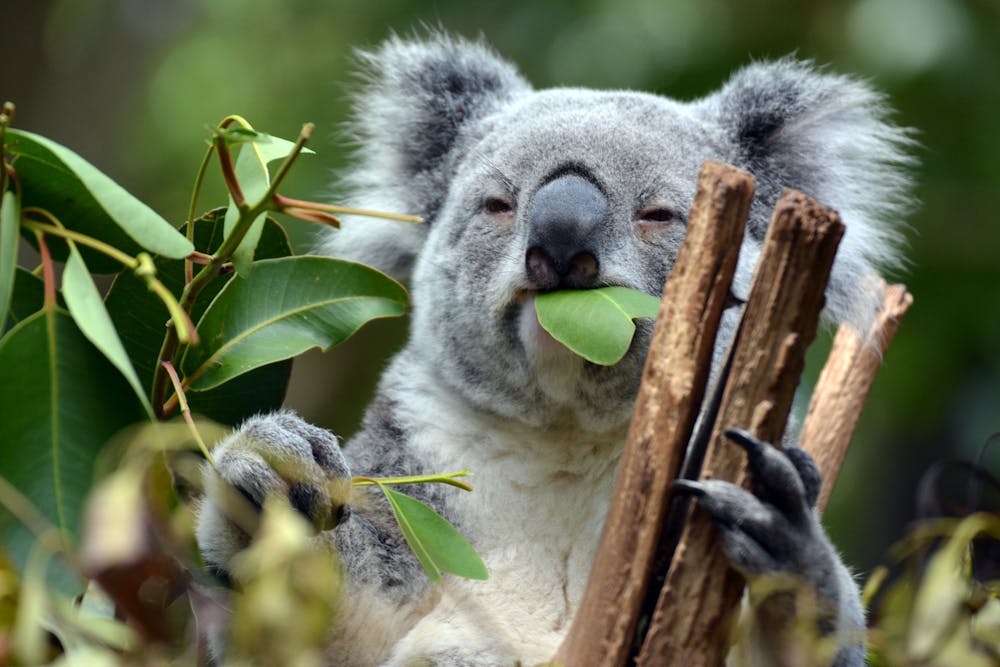
Threatened bird, mammal and plant populations have, on average, halved or worse since 1985. Species recently thought to be safe – such as the bogong moth, gang gang cockatoos, and even the iconic koala – are being added to the global and national threatened species lists following drought, catastrophic fires and habitat destruction.
Today, 19 ecosystems show clear signs of collapse. This includes the Great Barrier Reef, savannas, mangroves, tropical rainforests, and tall mountain ash forests. These losses have profound ramifications for clean air and water, productive agriculture, pollination, and well-being.
Biodiversity is a crucial part of Australia’s national identity and Aboriginal culture. It delivers billions of dollars in tourism revenue and underpins most sectors of our economy.
It’s important for our health, too. COVID lockdowns recently brought the critical role of nature to our well-being into sharp focus, with thriving biodiversity shown to deliver avoided costs to the healthcare system.
Read more: 'Existential threat to our survival': see the 19 Australian ecosystems already collapsing
Ignoring key recommendations
A 2018 Senate inquiry into the extinction crisis of Australian animals (fauna) concluded that native fauna was declining. It found biodiversity protection was under-resourced and failing, and Australia urgently needs an independent environmental regulator.
In 2022, the federal Auditor-General reviewed the government’s implementation of Australia’s threatened species legislation, finding:
limited evidence that desired outcomes are being achieved, due to the department’s lack of monitoring, reporting and support for the implementation of conservation advice, recovery plans.
The national Threatened Species Strategy focuses on 100 species and a few iconic places. But more than 1,800 species and ecosystems are threatened with extinction.
And economic analyses indicate we currently spend about around 7% of the targeted A$1.6 billion per year required to halt species loss and recover nationally listed threatened species.
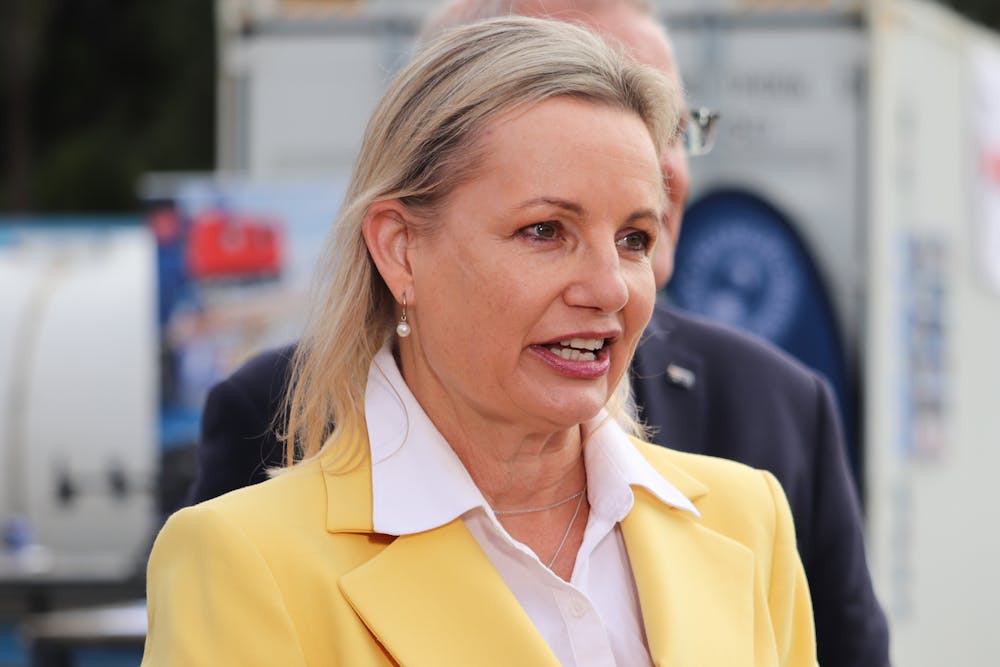 Federal Environment Minister Sussan Ley.
AAP Image/Ethan James
Federal Environment Minister Sussan Ley.
AAP Image/Ethan James
These findings were reinforced in 2020 by a major independent review of Australia’s environment law – Environment Protection and Biodiversity Conservation (EPBC) Act.
The review by Professor Graeme Samuel made 38 recommendations, but almost none have been implemented. They include establishing an Environment Assurance Commissioner, rigorous national environmental standards and resourcing compliance and enforcement of environmental regulations.
Failure to protect what we have
Land clearing is a key threat to Australian wildlife, yet the government has not made meaningful progress to halt it.
The hectares cleared in New South Wales over the last decade have tripled, and a staggering 2.5 million hectares have been cleared in Queensland between 2000 and 2018.
Worryingly, more than 7.7 million hectares of threatened species habitat have been cleared since the EPBC Act came into force (between 2000 and 2017), including 1 million hectares of koala habitat.
Invasive species – such as cats, foxes, rabbits, deer and buffel grass – continue to wreak havoc on many of our most endangered species.
Cats alone kill 1.7 billion native animals each year and threaten at least 120 species with extinction. While feral predator control has received some focus, the effort still falls well short of what’s required.
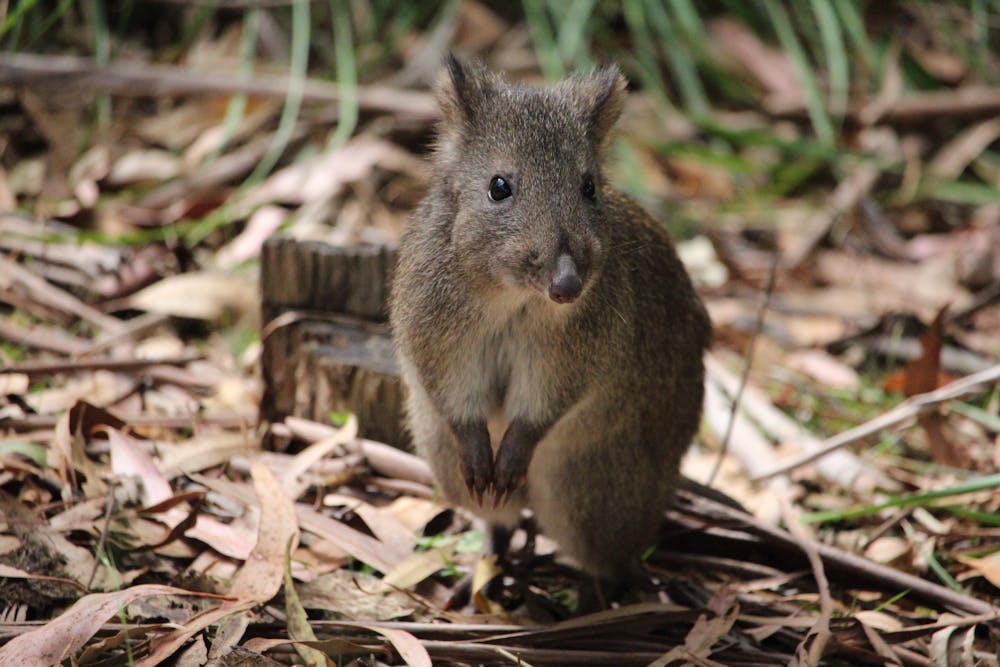 The long-nosed potoroo is extremely vulnerable to cats and foxes.
Shutterstock
A key advisor to the government recently labelled a major scheme to promote forest restoration as carbon credits as environmental and taxpayer “fraud”.
A federal integrity commission, if it existed, could have explored these cases.
The government also continues to back activities that cause damage to biodiversity, including the fossil fuel and forestry industries.
Read more:
The Morrison government wants farmers to profit from looking after the land – but will anyone want to pay?
On agriculture, the government is pursuing a “biodiversity stewardship” policy, to financially reward farmers for protecting wildlife.
But ongoing approval of unsustainable land management practices, particularly land clearing (of which agriculture is responsible for the lion’s share) will likely overshadow any stewardship gains.
The 26 Australian frogs at greatest risk of extinction | Threatened Species Recovery Hub.So what’s needed to prevent future extinctions?
Labor has not yet revealed its full suite of environment policies. This week it told Guardian Australia it will release more details before the election, and has called on the government to release the State of the Environment report.
So what policies are needed to reverse the biodiversity crisis? The answer is: spend more and destroy less.
Just two days of Coalition election promises (estimated at $833 million per day) would fund recovery for Australia’s entire list of threatened species for a year.
Read more:
5 big ideas: how Australia can tackle climate change while restoring nature, culture and communities
Systems for protecting biodiversity need stronger legal mandates and less discretion for ministers to override decisions about project approvals, species listing and other matters.
Biodiversity should be integrated into key aspects of government practice. For example, it makes no sense to invest in protecting koalas while simultaneously approving koala habitat clearing.
And we need investment in every threatened species, not just a hand-picked few.
The long-nosed potoroo is extremely vulnerable to cats and foxes.
Shutterstock
A key advisor to the government recently labelled a major scheme to promote forest restoration as carbon credits as environmental and taxpayer “fraud”.
A federal integrity commission, if it existed, could have explored these cases.
The government also continues to back activities that cause damage to biodiversity, including the fossil fuel and forestry industries.
Read more:
The Morrison government wants farmers to profit from looking after the land – but will anyone want to pay?
On agriculture, the government is pursuing a “biodiversity stewardship” policy, to financially reward farmers for protecting wildlife.
But ongoing approval of unsustainable land management practices, particularly land clearing (of which agriculture is responsible for the lion’s share) will likely overshadow any stewardship gains.
The 26 Australian frogs at greatest risk of extinction | Threatened Species Recovery Hub.So what’s needed to prevent future extinctions?
Labor has not yet revealed its full suite of environment policies. This week it told Guardian Australia it will release more details before the election, and has called on the government to release the State of the Environment report.
So what policies are needed to reverse the biodiversity crisis? The answer is: spend more and destroy less.
Just two days of Coalition election promises (estimated at $833 million per day) would fund recovery for Australia’s entire list of threatened species for a year.
Read more:
5 big ideas: how Australia can tackle climate change while restoring nature, culture and communities
Systems for protecting biodiversity need stronger legal mandates and less discretion for ministers to override decisions about project approvals, species listing and other matters.
Biodiversity should be integrated into key aspects of government practice. For example, it makes no sense to invest in protecting koalas while simultaneously approving koala habitat clearing.
And we need investment in every threatened species, not just a hand-picked few.
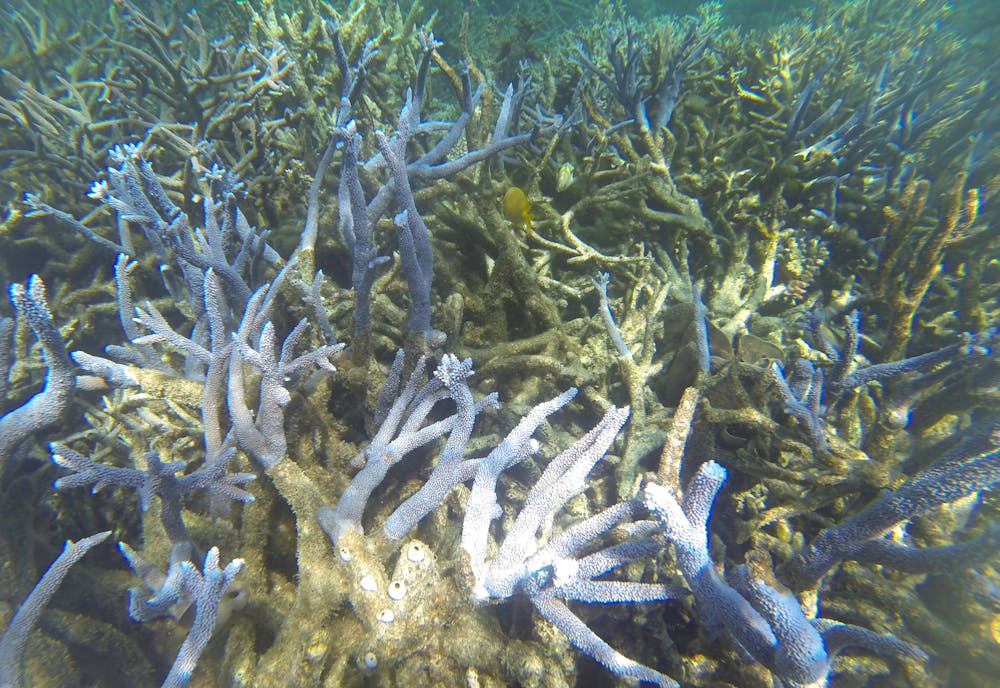 The Great Barrier Reef this year suffered the fourth mass bleaching event since 2016.
Shutterstock
Finally, transformative policies are needed to support the substantial opportunities to enhance and restore biodiversity. This includes:
The fate of nature underpins our economy and health. Yet in the election campaign to date, there’s been a deafening silence about it.
Authors: Sarah Bekessy, Professor in Sustainability and Urban Planning, Leader, Interdisciplinary Conservation Science Research Group (ICON Science), RMIT University
The Great Barrier Reef this year suffered the fourth mass bleaching event since 2016.
Shutterstock
Finally, transformative policies are needed to support the substantial opportunities to enhance and restore biodiversity. This includes:
The fate of nature underpins our economy and health. Yet in the election campaign to date, there’s been a deafening silence about it.
Authors: Sarah Bekessy, Professor in Sustainability and Urban Planning, Leader, Interdisciplinary Conservation Science Research Group (ICON Science), RMIT University 
















