Yes, $5 for lettuce is too much. Government should act to stem the rising cost of healthy eating
- Written by: Christina Zorbas, Postdoctoral Research Fellow, Deakin University
The cost of living is on the rise. The recent Consumer Price Index (a measure of inflation of a standard basket of goods) revealed Australians’ grocery baskets are one of the biggest casualties.
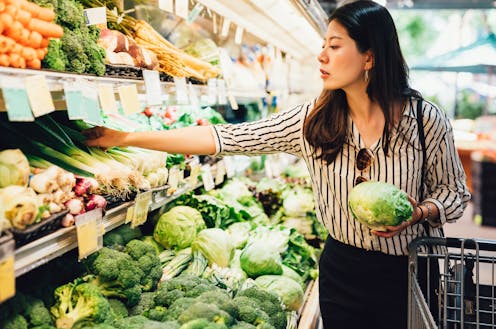
The latest data tell us the fruit and veg in our shopping baskets costs, on average, 6.7% more than this time last year. Some items rose by far more. A cucumber, for example, went from A$2.20 last year to A$3.70 this year. The cost of lettuce has become a touchstone during the current election campaign.
The Australian Bureau of Statistics (ABS) reports fruit and vegetable prices have gone up because supply chains were affected by the COVID pandemic (for example, border closures and loss of farm workers), floods, and international conflict (increasing fuel and transport costs).
But takeaway foods only went up by 0.7%.
The ABS suggests the cost of takeaway foods did not increase as much because of government-funded subsidies and voucher programs in New South Wales and Victoria.
The COVID pandemic has focused our attention on public health and government responses. But when it comes to building resilient food systems that support healthy and affordable diets for all – one of the most important actions for public health – governments struggle to act.
Do healthy foods cost more than unhealthy options?
There is some debate out there as to whether healthy foods cost more than unhealthy options.
The verdict usually comes down to how you measure what constitutes healthy food and who you talk to.
Our assessments consistently tell us one thing: healthy diets are not affordable for everyone. For people who receive low incomes, healthy diets make up about a quarter of their disposable income (the money that comes into their household after taxes).
One in four Australians say groceries are a big financial stress.
Read more: VIDEO: Election focus is on hip pocket nerve with rising living costs and interest rates
The price of ‘brain food’
We’ve monitored diet prices for many years and the implications of recent fresh food increases will continue to be heartbreaking for everyday people.
During our research, one single mother living in regional Victoria told us:
People look at cost first and foremost […] Bag of chips, $1.75, carrots, hummus and celery, $6 or $7. I know what I’m going to pick if I’m in a pinch, and it definitely ain’t the healthy choice.
Another mother of two put the purchase of fresh fruit into context, saying:
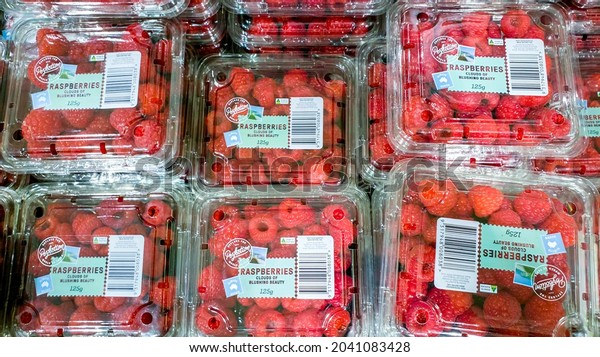
My little girl likes raspberries and blueberries. And I like her to have them, they’re brain food. But they range from $4 to $7 for a punnet. And that’s a huge portion of your weekly income.
All the nutrition knowledge in the world won’t help guide healthy choices if people can’t afford healthy food.
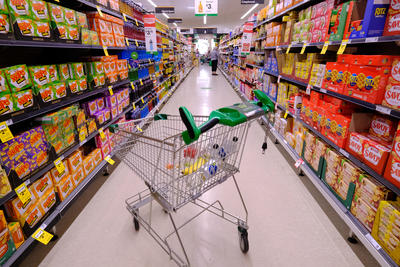
Supermarket specials can make unhealthy, ultra-processed foods and drinks look like good value for money. We’ve previously shown unhealthy options are on special twice as much as healthy alternatives.
This pattern of discounting can be particularly persuasive for people on low incomes.
Finally, making food takes time. Buying takeaway foods may save time – even though regular consumption can cost us our health.
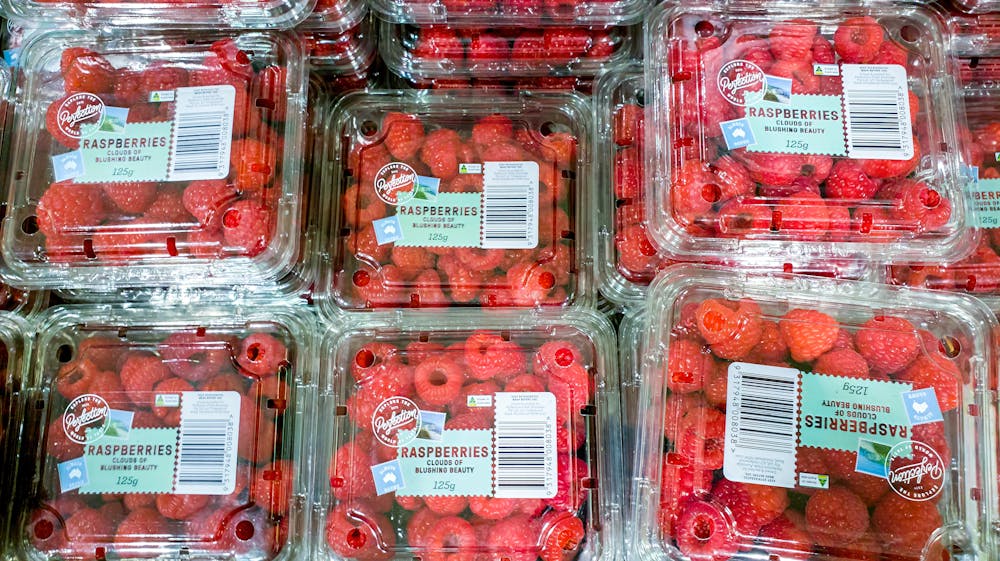 The appeal of fresh fruit isn’t the problem for families on low incomes.
Shutterstock
The appeal of fresh fruit isn’t the problem for families on low incomes.
Shutterstock
Read more: Supermarkets put junk food on special twice as often as healthy food, and that's a problem
Making healthy diets affordable for everyone
Our food system does not prioritise the health of people or the planet.
While lines for food banks are growing, discussions about removing the GST-exemption on fresh fruit and vegetables have been brewing.
As we face global food crises, our governments could be planning ways to keep healthy diets affordable for everyone – for example, by increasing subsidies to keep the prices of healthy foods down.
In the Northern Territory, the Aboriginal-led Bagala Community Store has shown governments what’s possible by setting healthier supermarket pricing standards. When more specials were put on fruit and veg, consumption climbed by 100%.
In New Zealand, the government provides healthy lunches to kids at school to reduce food costs for families.
Price is only half of the food affordability issue. As the cost of living rises, our incomes are spread thinner.
Even though there has been talk about lifting the minimum wage, we remain far from addressing the root causes of health inequalities as we head into this election.
Healthy diets will only be affordable for all Australians if government income supports are lifted above the poverty line. Our government income support rates (provided through JobSeeker) are the second lowest of high-income countries.
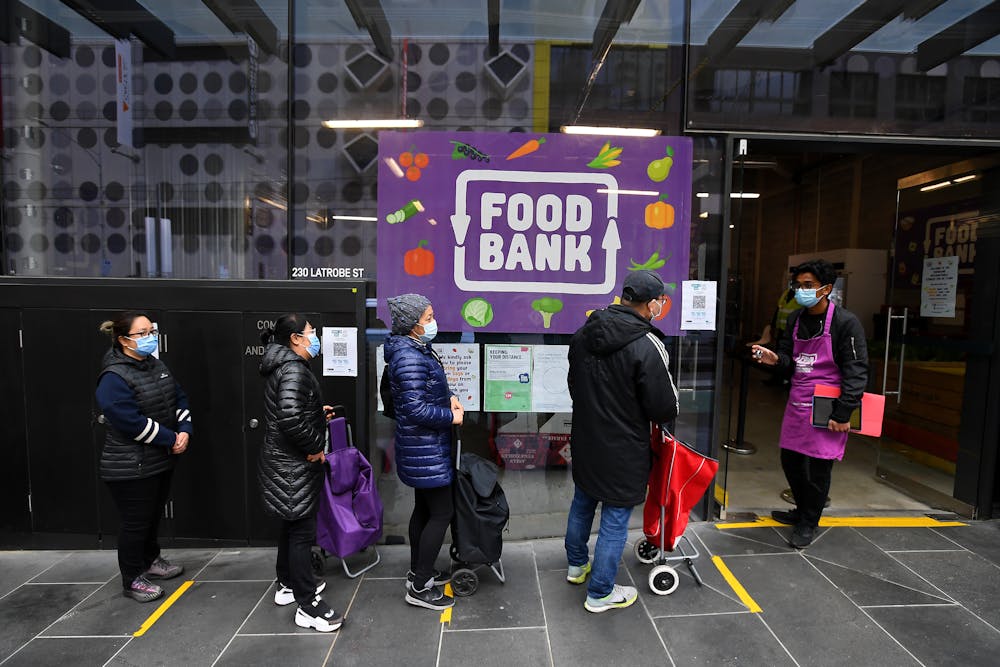 Lines for food banks are growing.
AAP Image/James Ross
Lines for food banks are growing.
AAP Image/James Ross
Research from the beginning of the pandemic showed for the first time, JobSeeker made healthy diets affordable for people on low incomes. But the payments were later rescinded and people were put back into poverty. With rising housing costs, it’s a wonder anyone who depends on JobSeeker (A$345.50/week for a single parent) now can buy food let alone seek out a healthy diet.
Read more: 'Too many people, not enough food' isn't the cause of hunger and food insecurity
What’s next?
Governments and food industries are not doing enough to make healthy diets affordable. The failure to respond to rising food prices, food insecurity, and intergenerational poverty is a missed opportunity.
Spikes in our food prices are a stark illustration of how vulnerable our food system is.
In the meantime, our team at Deakin University’s Institute for Health Transformation will keep an eye on food prices and people’s lived experiences of them. We will keep calling for appropriate policies that prioritise our right to affordable healthy diets.
Authors: Christina Zorbas, Postdoctoral Research Fellow, Deakin University