

After many false dawns, Australians finally voted for stronger climate action. Here's why this election was different
- Written by: Matt McDonald, Associate Professor of International Relations, The University of Queensland
Before the 2019 federal election, many people expected Australia would vote for faster climate action. That, of course, didn’t happen. But just three years later, the climate election arrived at last. The question is – what changed?
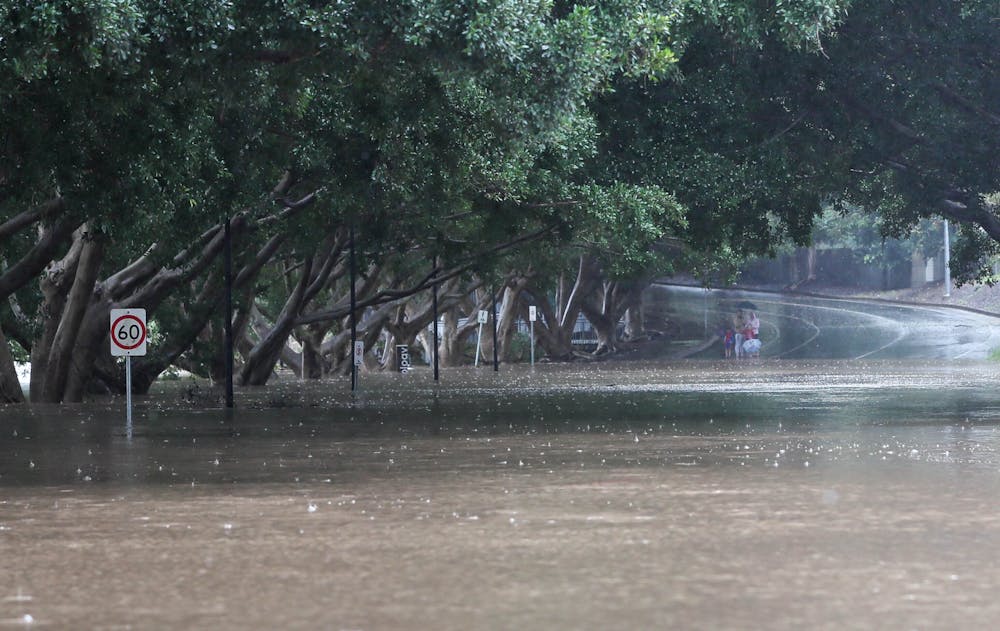
In short: Reality hit. Over the Morrison government’s term, the east coast was ravaged by the Black Summer of megafires. Then came the devastating floods. These disasters proved to us what scientists have long predicted: climate change isn’t a future threat, it’s here, now.
Since 2019, Australia has been under growing international pressure to do more on climate, given we have (correctly) been seen as a laggard. With Biden replacing Trump, our isolation became clear at the Glasgow summit. Polls showed the result: more and more Australians named climate change as an important issue.
Morrison shrugged off these concerns with a non-binding “goal” of net zero by 2050. As Saturday’s election showed, Australians saw through these half-hearted measures and voted accordingly.
Three years of public concern and international pressure
Unexpected wins by the Greens in flood-affected seats along the Brisbane river gave a snapshot of voter sentiment. But earlier images of disaster – pensioners on rooftops in Lismore, overwhelmed firefighters and dying koalas – were hard to shake for many across the country.
In many ways, this election was a perfect storm for the Coalition. Since 2019, the impatience of the international community with Australian delay tactics was clear. Our Pacific neighbours had been consistently critical of Australia’s fossil fuel protectionism, regardless of promises of new funding for the region and the so-called Pacific step-up. Scott Morrison’s speech to a nearly empty room at the climate summit at Glasgow made our isolation clear.
Read more: If 80% of Australians care about climate action, why don't they vote like it?
Joe Biden’s victory in the US meant Australians increasingly saw our government as holdouts at the back of the international pack.
These changes came through in growing public concern. Polling in 2021 showed a substantial majority of Australians supported stronger emissions reduction commitments and a commitment to net zero emissions by 2050. Similarly, a YouGov poll in late 2021 found a majority of voters in every Australian seat wanted stronger action on climate change from the government. More than a quarter of voters rated climate change as the most important issue in determining their vote.
A day late, a dollar short
Despite the pressure and clear signals from voters, the Coalition went to the 2022 election with the emissions reduction targets announced by former Prime Minister Tony Abbott in 2015. In addition, they had a non-binding ‘goal’ to reach net zero emissions by 2050, announced only after serious pressure and internal haggling.
The public was sceptical of this promise, due to efforts by segments of the Coalition to immediately walk this back. Outspoken Nationals senator Matt Canavan suggested on election eve the government would consider walking away from its own net zero commitment.
Read more: The election shows the conservative culture war on climate change could be nearing its end
With Nationals leader Barnaby Joyce leading the internal opposition to net zero, there were concerns the Nationals could hold Australia to ransom on climate even after the election.
We can’t say it was all climate – but it was a key factor
For the Coalition, navigating climate change during the election campaign proved far more challenging than in 2019.
Crucially, they found themselves fighting on multiple fronts. In blue ribbon seats in Sydney and Melbourne the Coalition was confronted and in many cases, beaten, by well-resourced ‘teal’ candidates. These independents appealed to a traditionally conservative electorate concerned about climate change but less likely to switch to a left-leaning party. Liberal candidates in these electorates promised more action on climate, but not much beyond that.
 Climate hawk teal independents appealed to traditionally Liberal constituencies.
Mark Baker/AP
Climate hawk teal independents appealed to traditionally Liberal constituencies.
Mark Baker/AP
The Greens seemed an easier target for the government. Even so, the concentrated support for the third party in inner-city areas meant attacks by the government didn’t hurt.
Labor’s targets were more ambitious than the Coalition’s, which put them ahead for middle of the road voters concerned about climate change. But stung by their 2019 defeat, Labor actually went to the election with less ambitious emissions reductions targets than they had at the previous election: a 43% reduction by 2030. This made them a smaller target than in 2019 and able to avoid a Coalition scare campaign on costs to jobs and the economy. This might have cost them in inner-city seats like Brisbane’s Griffith with strong Greens campaigns. But it allowed them to hold seats with strong mining constituencies, like Hunter in NSW.
For the Coalition, the changing facts on the ground made it much harder to even run a scare campaign on the costs of climate action. The anticipated declining market for fossil fuels, significant and well-publicised government subsidies for the fossil fuel sector, the plummeting cost of renewables and the ballooning costs of climate change impacts all undermined the power of the narrative that Australia had to choose between economy and jobs or climate action.
Young voters registered to vote in record numbers, while we saw formidable ground campaigns from the Greens and teal independents.
 Renewable costs have plunged.
AAP
Renewable costs have plunged.
AAP
Does this spell the end of toxic climate politics?
If 2022 was the long-anticipated climate election, is it also the end of the toxic politics of climate change in Australia?
That depends on how the Coalition deals with the sting of this defeat. Will they seize the chance for a reset on climate? Or will we see a further shift to the right? Nationals leader Barnaby Joyce has already signalled the possibility of abandoning net zero. With moderate Liberal MPs now thin on the ground, there’s no guarantee of bipartisanship.
If the Coalition doubles down on climate delaying tactics, it would ensure its electoral irrelevance and make genuine climate action easier to achieve in Australia, one of the world’s last holdouts.
The Conversation’s #Settheagenda poll of more than 10,000 readers found more than 60% rated climate change as the top concern for them this election
Authors: Matt McDonald, Associate Professor of International Relations, The University of Queensland


















