

Modern Australian
The Times

From glasses to mobility scooters, 'assistive technology' isn't always high-tech. A WHO roadmap could help 2 million Australians get theirs

  • Written by Natasha Layton, Senior Research Fellow: Rehabilitation, Ageing and Independent Living Research Centre, Monash University
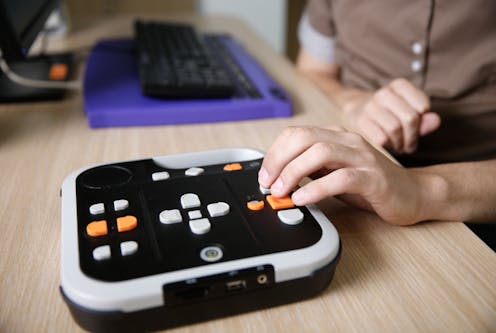
From glasses to mobility scooters, 'assistive technology' isn't always high-tech. A WHO roadmap could help 2 million Australians get theirs

This month, the first ever World Health Organization (WHO) and UNICEF Global Report on Assistive Technology was released.

The WHO estimates one in three of us will need assistive technology, ranging from glasses to mobility scooters, in our lifetimes. This number is set to grow with an ageing population and the rising prevalence of non-communicable diseases such as heart disease and diabetes, which are major causes of disability.

For 2.5 billion people globally and more than two million Australians living with health, disability or age-related conditions, assistive products are vital in daily life. The WHO estimates almost one billion children and adults are denied the assistive technology they need.

The WHO/UNICEF report provides a range of recommendations for policy action that Australia’s new government should consider and learn from.

What is assistive technology?

If you use glasses or screen magnification on your phone, foot orthotics, hiking poles on uneven ground, or a powered mobility scooter to get to the shops, you are using assistive products. Reminder alerts on your mobile phone, smart home and text-to-speech technologies are also in this category.

Then there’s the information, professional recommendations and training needed to fit, troubleshoot, learn to use or maintain your assistive products. Together, these products and services are called “assistive technology”.

The return on investment for assistive technology is around nine times what is spent, because it enables people to work and study, worship and play, control their homes and move around their communities.

How does Australia measure up?

Let’s compare the top recommendations from the Global Report of Assistive Technology with Australian experiences.

1. Improve access to safe, effective and affordable assistive technology

Australia’s National Disability Insurance Scheme (NDIS) funds support for about 10% of Australians living with disability, including assistive technology products and services.

But outside the NDIS, Australians who need assistive technology often have very restricted access to funding.

They must navigate more than 100 different funding schemes in a “postcode” or eligibility lottery identified by the recent Aged Care Royal Commission as unfair.
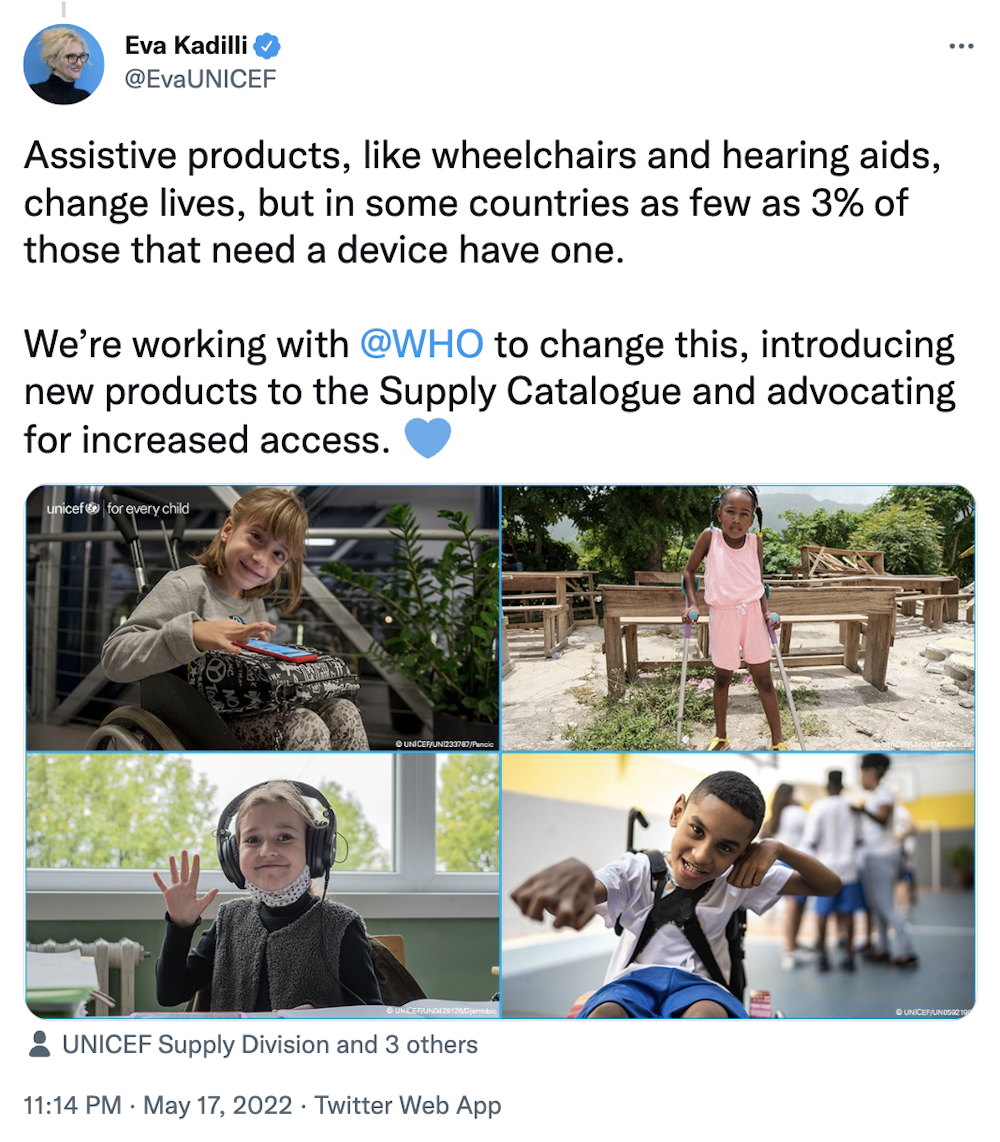
tweet by Unicef representative about the importance of assistive technology
Twitter 2. Invest in research data, evidence-based policy, and innovation Australia is building a National Disability Data Asset, for safe and secure sharing and linking of data. This will give governments a better understanding of people with disabilities’ life experiences. For now though, there is no detailed data collection on assistive technology use and unmet need in Australia. On the innovation front, assistive technology that uses artificial intelligence (AI) or changes how a person receives support offers real potential to help people to live how and where they want to. For example, infrared movement sensors in homes - linking to AI - can learn patterns of typical or out of the ordinary events and alert a nominated family member if required, whilst still allowing a person to live on their own. But Australia needs an ethics framework for the use of AI, including by people with disability, to protect privacy, safety and effectiveness – and more broadly, human rights. Read more: Digital inequality: why can I enter your building – but your website shows me the door? 3. Enlarge, diversify and improve workforce capacity Australia is facing workforce shortages across health, disability and aged care. The Global Report on Assistive Technology outlines roles for assistive technology users to be peer supporters, alongside expert health teams. A skilled and diverse workforce is required, and will include both health professionals at the point of need (via telehealth or in person), and training and employment pathways for the assistive technology peer workforce. 4. Develop and invest in enabling environments Recent Australian National Construction Code reforms propose minimum accessibility in new housing. This would allow people more choice in where they live, and who they live with. Man in power wheelchair reaches to unload dishwasher drawer A power wheelchair and dishwasher drawer makes this kitchen accessible. Author provided However, some states have refused to adopt this voluntary code. When the NDIS was introduced, government funding for independent assistive technology advice via state-based information and resource centres, called Independent Living Centres (ILCs), was lost. The ILC National Equipment Database remains online, but the few remaining information clearinghouses – including the Centre for Universal Design Australia and the Home Modifications Information Clearinghouse – rely largely on the goodwill of dedicated volunteers to collate information and resources. Read more: 'It's shown me how independent I can be' – housing designed for people with disabilities reduces the help needed 5. Include assistive technology in humanitarian responses Australia is facing ongoing humanitarian crises with fires, floods and a pandemic threatening lives – and livelihoods. Our research with people who use assistive technology and their families, as well as providers and civil society showed that during the COVID pandemic, the public health response excluded assistive technology services. They were considered “non essential” by government. In Australia, during the floods, accessible information and disaster preparedness for people who use assistive technology was absent. This meant that, for example, when the lift in the building of a wheelchair user broke, and the building’s intercom was down, there was no way for them to escape or call for help. Read more: Homeless and looking for help – why people with disability and their carers fare worse after floods This information and support gap, and access to safe evacuations, was often filled by local communities. The knowledge of assistive technology users, their families and providers to create more inclusive preparedness plans will be vital for future disasters. Time for change Assistive technology is key to a good life for one in ten Australians. Labor made a pre-election commitment to a major review of disability services in Australia, and inherits potentially transformative Royal Commission recommendations across both ageing and health care. The WHO and UNICEF Global Report on Assistive Technology provides a roadmap for the incoming government to involve users and their families in change. Authors: Natasha Layton, Senior Research Fellow: Rehabilitation, Ageing and Independent Living Research Centre, Monash University

Read more https://theconversation.com/from-glasses-to-mobility-scooters-assistive-technology-isnt-always-high-tech-a-who-roadmap-could-help-2-million-australians-get-theirs-183529

Why Your Skin Breaks Out: The Science of Acne Explained

Acne is the most common skin condition in the world. An estimated 85% of people experience it at some point between the ages of 12 and 24, and a gro...

10 Swimwear Trends Australian Women Are Wearing This Summer

Every Australian summer brings a fresh wave of swimwear trends, but some styles have much greater staying power than others. While fashion constantly ...

Why Regular Skills Updates Are Essential for Licensed Security Officers

A guard at a Brisbane shopping centre gets a call about a shoplifter who's turned aggressive.  They’ve done the job for six years. But their de-...

10 Benefits of Choosing Professional Tutoring Penrith Services

Every student has unique learning strengths, challenges, and academic goals. While classroom teaching provides essential knowledge and structure, so...

Sunshine Coast Baby Classes Prove Big Hit Among First-Time Mums

There's a movement gaining traction on the Sunshine Coast, providing a village of support, socialisation and relief for first-time mothers and babie...

Father's Day Gift Ideas for Men Who Are Hard to Buy For

Some dads are easy to buy for. Others do not want anything, already have everything, or give you the classic "don't worry about me" answer every yea...

Top 5 Mistakes That Wear Out Your Brakes Faster

Brakes don't need frequent replacements like oil changes do.   But a lot of the wear happens quietly, over months, because of habits most drivers...

Plantation Shutters vs Curtains: Which Is Better for Your New Home?

Moving into a new home is an exciting opportunity to personalise your space and make it your own. While many homeowners focus on furniture, flooring...

Celebration of Life vs Traditional Funeral: What's the Difference?

When saying goodbye to someone you love, there is no single way to honour their life. Every family has different traditions, beliefs, and preference...

Building Approval for Roofing Projects: What Homeowners Need to Know

Roofing projects are an important part of maintaining and protecting your home. Whether you're repairing storm damage, replacing an ageing roof, or ...

Chatswood Tutoring And Its Role In Academic Achievement

Academic success often requires more than classroom attendance alone. Students face increasing expectations as they progress through school, particu...

Why Laser Hair Removal Treatments Continue Growing In Popularity

Managing unwanted hair can become time-consuming and frustrating for many people, especially when shaving, waxing, and other temporary methods requi...

Choosing the Right Devices for a Flexible Workplace

For IT leaders managing large fleets, the device layer is where workforce productivity and security policy meet. The shift towards flexible and hybrid...

How Business Advisory Services Help Companies Achieve Sustainable Growth

Every business owner aims to build a profitable and sustainable organisation. While dedication, innovation, and hard work are important, achieving l...

Why Body Contouring Has Become A Popular Cosmetic Treatment

Many people maintain healthy lifestyles through regular exercise and balanced eating habits but still struggle with stubborn areas of fat that are d...

How to Choose the Right POS Hardware for Your Business in Australia

A lot of Australian business owners spend weeks researching POS software but buy hardware almost as an afterthought. That's a mistake. The wrong har...

Why Material Handling Hose Is Critical for Industrial Efficiency

A high-performance material handling hose is an essential component in industries that transport abrasive, dry, or bulk materials on a daily basis...

How to Choose the Right Lawyer in Melbourne for Your Situation

Choosing legal support can feel difficult, especially when the stakes are personal or business-related. The right lawyer in Melbourne should underst...
















