

3 key measures in the suite of new reforms to deal with Australia's energy crisis
- Written by: Tim Nelson, Associate Professor of Economics, Griffith University
With electricity prices surging to previously unimaginable levels, state and federal energy ministers met yesterday to consider how to respond to Australia’s energy crisis.
The market is pricing electricity at over A$300 per megawatt hour, more than three times what it traded at the beginning of this year.
In yesterday’s meeting, ministers agreed on 11 actions for lowering gas bills and to ensure a crisis like this doesn’t happen again. Here we take a closer look at three key ones.
None will address prices immediately, so all consumers should look for the best deal on electricity through excellent comparison sites, such as the Energy Made Easy website.
Read more: Australian Energy Market Operator to have power to acquire gas for emergencies
Three important measures on the table
Power bills are set to remain high for months to come. Wholesale electricity makes up one third of a typical household retail bill, and the Australian Energy Regulator recently approved household electricity price rises of up to 20%.
If wholesale prices stay at current levels, Australians will have to pay even more for their electricity during the second half of the year.
So what key measures have the ministers proposed to address this? First, the ministers will allow the market operator to purchase gas and hold it in reserve.
If done well, holding reserves to release in times of supply shortage could smooth out extreme prices. Holding reserves of gas won’t be costless, but the cost of that insurance may be worth it to taxpayers. It will be important to see the detail of how this will be implemented.
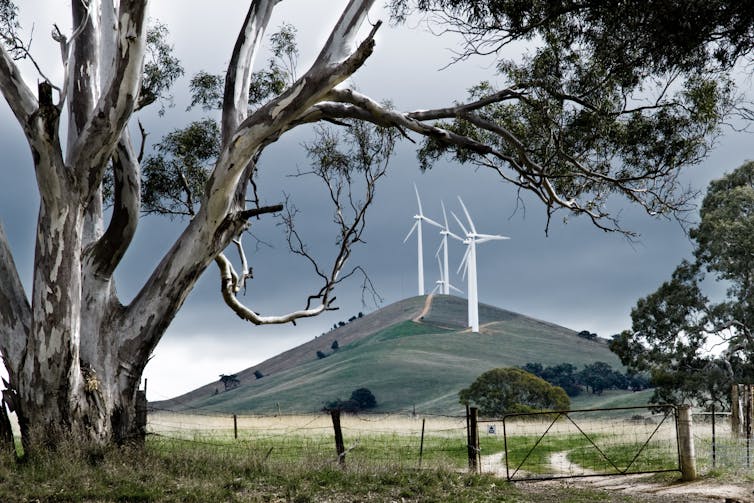
The second action is to develop a national plan for growth in renewables, hydrogen, and transmission.
Accelerating new renewables will be key to reducing our exposure to fuel prices. A new wind or solar project can provide energy for $50-80 per megawatt hour, compared to $300-500 per megawatt hour from fossil fuel plants today.
Read more: 4 reasons our gas and electricity prices are suddenly sky-high
Having a clear plan is a good start, but ministers will need to work out how to deliver it. Expanding the national Renewable Energy Target would be a good first step.
This target, legislated by the Rudd government, currently requires roughly 20% of electricity to come from new renewable energy. This could be increased significantly.
Indeed, state targets in place now could be more efficiently delivered if they were amalgamated into a stronger national target. Ministers could also consider similar targets for green gas or hydrogen.
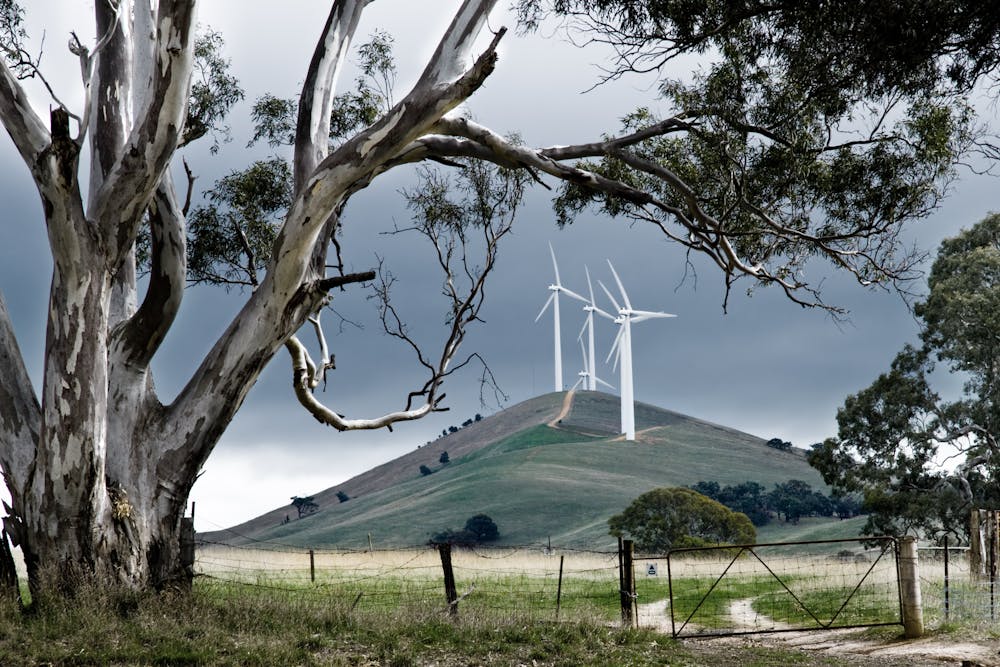 The renewable energy target in national legislation must be strengthened.
Shutterstock
The renewable energy target in national legislation must be strengthened.
Shutterstock
The third action is the most contested. Ministers have recommended implementing a capacity mechanism that would pay units to be available even if they’re not used, which may be similar to a capacity market. It’s not clear what this proposal will look like in detail or how this proposal would address the current crisis.
The communique doesn’t explicitly rule out coal. But there are reasons to be hopeful that what ministers have actually asked for is a capacity reserve, which will facilitate more renewables accompanied by modern technologies such as battery storage.
What is a capacity market and why should it exclude coal?
A traditional capacity market is designed to pay all power stations (including existing coal) for being available, even if they’re not used.
This sort of capacity market won’t build the type of capacity we urgently need. Our grid requires generation that can turn on and off quickly, adjusting to consumers’ increasing appetite for installing their own solar panels.
A traditional capacity market that pays inflexible capacity such as coal will delay investment in new flexible capacity such as hydro, batteries, and hydrogen-ready gas peakers. Coal is considered inflexible because it takes hours to ramp up to full production, whereas “flexible” capacity can ramp to full production in seconds or minutes.
Locking in existing inflexible generation can reduce the reliability of the grid, a risk now possible in Western Australia.
Paying coal power stations to stay around longer also exposes Australia to fuel price spikes as we’ve seen recently, as well as continued shortfalls of capacity. This is because, as federal Energy Minister Chris Bowen pointed out, the current crisis is due to an unexpected shortage of coal, not gas.
Paying coal power stations twice – once for their capacity, and again for their energy – means it’s harder to build new, flexible capacity. A capacity market like this wouldn’t have avoided our current crisis or reduced consumers’ bills: the cost of coal and gas would still be high.
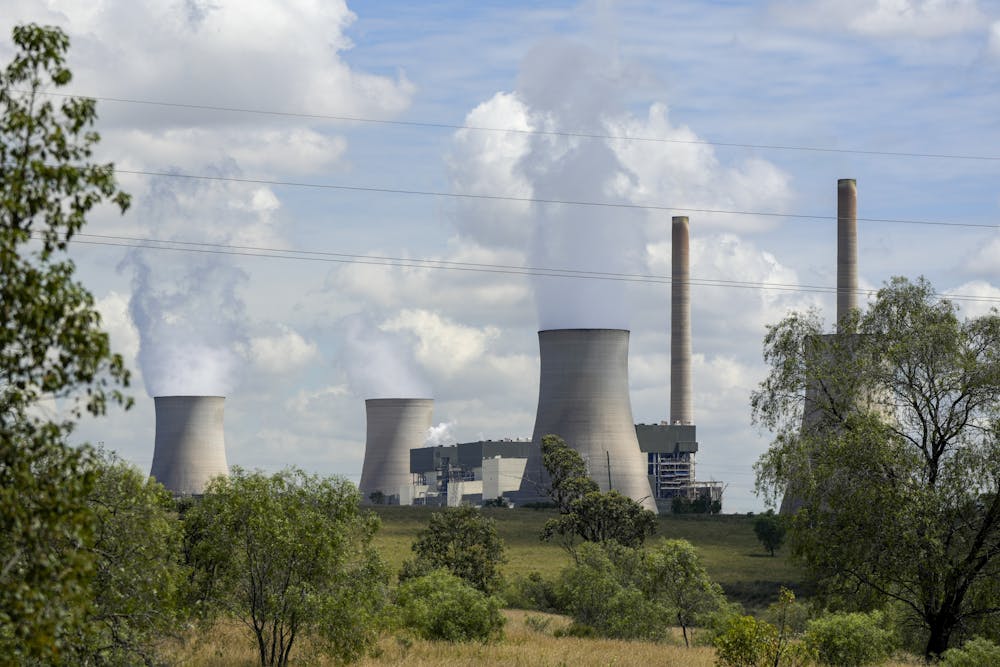 Up to 25% of coal is currently offline for maitenance.
AP Photo/Mark Baker
Up to 25% of coal is currently offline for maitenance.
AP Photo/Mark Baker
Coal is also increasingly unreliable. Currently up to 25% of coal is offline for maintenance, and unplanned outages are rising. Ironically, some coal generators are simultaneously asking to be paid to close their power stations.
Governments also need to consider the very significant financial assistance already paid to coal-fired generators when the Clean Energy Future package was introduced in 2012 and repealed only two years later.
None of the over $5 billion in assistance provided to coal-fired generators was paid back to taxpayers. Asking consumers to pay again for these power stations to “stay in the market” via a capacity market payment doesn’t seem fair or equitable.
So what should ministers do?
Our current market already provides strong signals for investment in the right mix of capacity.
The market operator says there are around 1.2 gigawatts (GW) of new gas, 1.2 GW of battery, and 2.3 GW of hydro projects entering the market in coming years. Total new capacity entering the market is over 11 GW.
With electricity prices as high as they are, investors such as Snowy Hydro say it’s simply incorrect that the existing market doesn’t incentivise new storage such as batteries and pumped hydro.
However, a well designed “capacity reserve” would smooth out the market. New capacity, such as batteries and pumped hydro, could be brought into a “waiting room” and held until it’s needed.
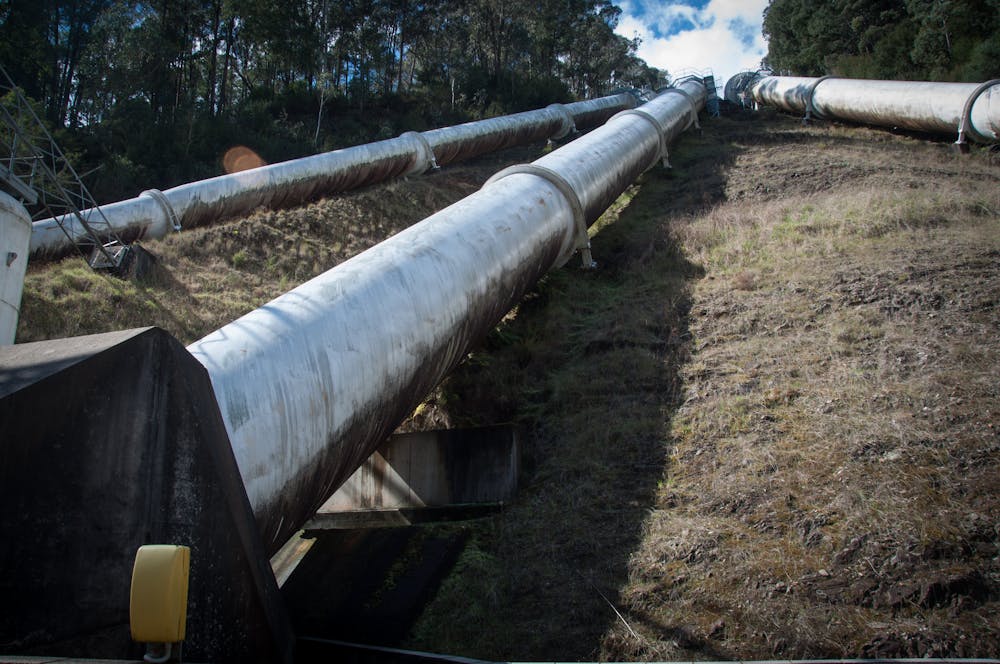 2.3 gigawatts of hydro projects are projected to enter the market in coming years.
Shutterstock
2.3 gigawatts of hydro projects are projected to enter the market in coming years.
Shutterstock
This could be implemented very quickly. The New South Wales roadmap provides a somewhat similar approach - underwriting new investments to ensure they’re built sooner rather than later.
Importantly, ministers make it clear in their communique that they’re only really wanting the mechanism to support new investment in fast-start zero emissions technologies. As such, it may be that the “capacity mechanism” they have in mind is actually more akin to the “capacity reserve” we have articulated here.
Read more: Australia's energy crisis: 3 ways the Albanese government can ease pressure on your power bills
In the near-term, governments need to ensure all energy companies are doing their fair share to address costs and reliability.
The government has asked the ACCC to consider this, as we suggested last week.
But for now, the best option to keep warm this winter without breaking the bank is to shop around for the best electricity deals.
Authors: Tim Nelson, Associate Professor of Economics, Griffith University


















