

Kids on the autism spectrum experience more bullying. Schools can do something about it
- Written by: P. Daniel Lin, Senior Lecturer (UNSW) and Conjoint Associate Professor (Western Sydney University), UNSW Sydney
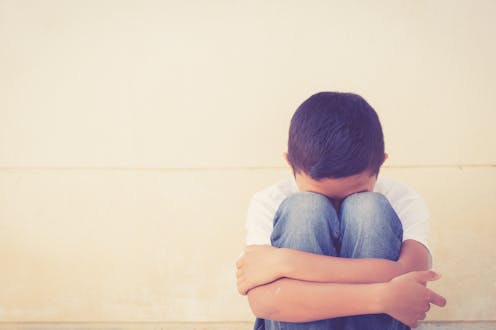
Children diagnosed with neurodevelopmental disorders, such as autism, experience various types of challenges at school. This might be due to communication, and also relationships with other children.
Accumulating evidence indicates autistic children are more likely to be bullied.
We’ve just published a study which observed autism is the top risk factor for bullying exposure among all neurodevelopmental disorders.
And in a Canadian survey, 77% of children on the autism spectrum reported being bullied.
The risk is also substantially higher for children with other types of neurodevelopmental disorders, such as attention deficit hyperactivity disorder (ADHD), Tourette syndrome, and intellectual disability, when compared with non-neurodiverse children.
Read more: Do more children have autism now than before?
The risk factors and harms of bullying
While the reasons for a higher risk of being bullied among children with neurodevelopmental disorders are complex, one potential reason is impaired communication skills. These can cause peer rejection and difficulties in establishing friendships.
Impulsive behaviours often associated with neurodevelopmental disorders can also result in difficulties fitting in, thereby increasing the risk of social exclusion and consequent bullying encounters, either as a victim or a perpetrator.
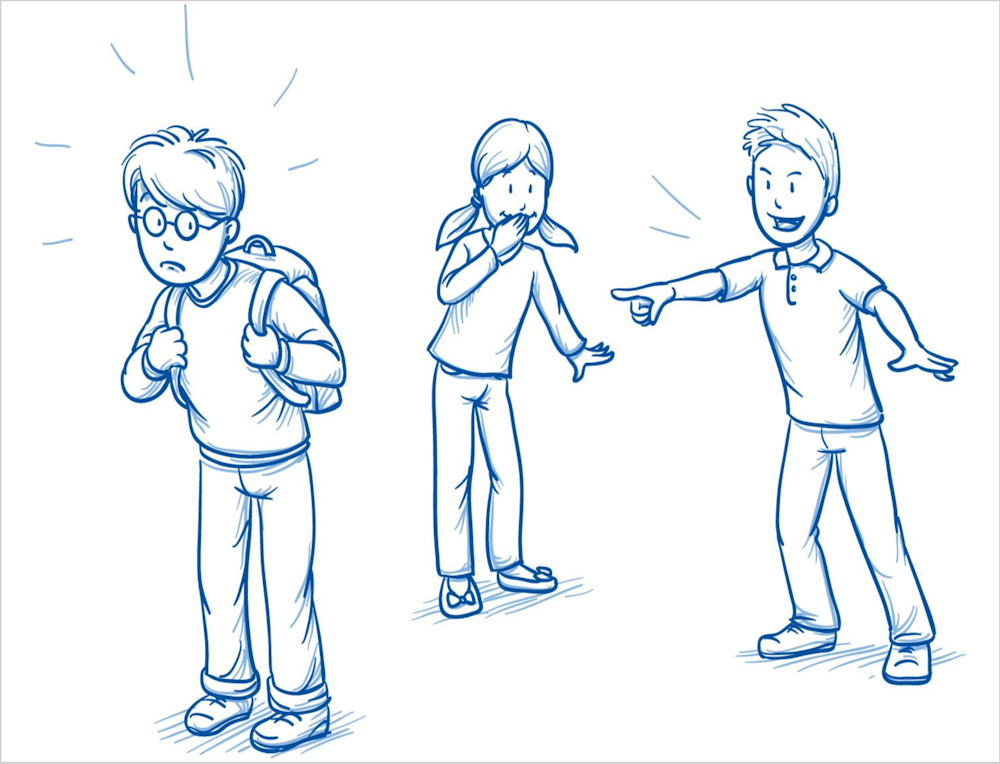
Bullying exposure can lead to not only longtime psychological symptoms such as depression and anxiety, but also physiological symptoms.
Data from the Longitudinal Study of Australian Children indicate the experience of being bullied can be associated with a four-fold increased risk of self-harm or suicidal thoughts among adolescents aged 14-15 years.
What our study found
Our new study found children on the autism spectrum are more likely to be bullied at high schools than primary schools (an opposite trend from non-autistic children). It’s possible that in high schools the differences due to autism are more pronounced and noticeable.
Read more: What causes autism? What we know, don’t know and suspect
Our findings also suggest children on the autism spectrum who do not need special health care experience greater risk of being bullied than children on the autism spectrum with special health-care needs. This implies the need for supports for children with higher functioning autism might be underestimated.
Children on the autism spectrum living in areas with low socioeconomic resources were also more likely to be bullied than other children on the autism spectrum. This highlights the importance of more mental health supports and attention to social care needs for children from disadvantaged backgrounds.
What can schools do?
Currently, most evidence-based anti-bullying programs are delivered through the school’s universal behaviour management system. This means everyone receives the same standard information about bullying and no individual features related to victims or bullies are discussed.
In Australia, the Bully Zero bullying education program is delivered through a mix of online and face-to-face workshops. It aims to provide information about bullying including the different types, its impact, and resilience (or emotional intelligence). Bullying No Way provides professional resources for bullying prevention by educating students, families, and school staff.
 Bullying programs don’t address underlying risk factors.
Shutterstock
Bullying programs don’t address underlying risk factors.
Shutterstock
Although these programs provide useful advice on management strategies, few of these programs address the underlying risk factors for being bullied.
Read more: It's 25 years since we redefined autism – here's what we've learnt
In light of our new findings, we think neurodiversity and inclusiveness should be integrated into school-based anti-bullying programs. Additionally, there are other things schools should be doing to decrease the risk children on the autism spectrum will be bullied:
kids in schools should be taught neurodiversity is a difference, not an impairment
kids should be encouraged to use proper language that aligns with neurodiversity. For example, use respectful language such as “person on the autism spectrum” instead of “autistic person”
teach students about empathy in the context of neurodiversity. This includes understanding how a child on the autism spectrum may react to stress differently from other children, and avoiding describing the interests of a person on the autism spectrum as “restricted”
organise bullying prevention workshops at high schools, since older children on the autism spectrum are more likely to suffer from bullying than younger children on the autism spectrum
schools in socioeconomically disadvantaged areas need to ensure they have anti-bullying programs with a particular focus on neurodiversity.
Understanding of neurodevelopmental disorders can enhance inclusiveness and reduce stigma, which is essential to building anti-bullying environments.
And the risk modifiers identified can inform us of which groups (children on the autism spectrum who are older, with better functions, and living in disadvantaged neighborhoods) may need to be prioritised for specific supports.
Authors: P. Daniel Lin, Senior Lecturer (UNSW) and Conjoint Associate Professor (Western Sydney University), UNSW Sydney


















