

3 lessons from Australia's ‘climate wars’ and how we can finally achieve better climate policy
- Written by: Rebecca Pearse, Lecturer, Australian National University
Last week, two influential environmental groups warned the Greens not to stymie progress on Australia’s climate policy. In an unusual intervention, Greenpeace and the Australian Conservation Foundation urged the Greens to “play a constructive role” with Labor or risk being blamed for holding climate policy back.
The groups want the Greens to back Labor’s policy for a 43% cut in emissions by 2030 and net-zero emissions by 2050 – then to push for more ambitious targets later. But Greens leader Adam Bandt has described Labor’s policy as “weak” and the party has the numbers to block Labor’s bill in the Senate.
Tensions over strategy in and beyond parliament are a normal part of social movements and the policy process. Plus, it’s just plain hard to broker agreements for ambitious and effective climate policy.
But as my research has shown, Australia’s long-lasting climate wars offer three painful lessons we shouldn’t ignore this time around.

1. We need to find common ground between idealists and realists
It’s easy to dismiss the Greens and their allies in the environment movement as naive idealists. But at this historic moment, what constitutes realism is a matter of both political strategy and science.
The last time the green movement intensely debated carbon targets was in 2008. Then, the Rudd Labor government proposed a carbon pollution reduction scheme with a goal of a 5-15% emissions cut by 2020. The Greens argued it was inadequate and compensated polluters too generously.
In response, established green groups like the ACF and World Wildlife Fund for Nature and union peak bodies formed a coalition that backed Labor’s scheme and publicly disagreed with the stance of the Greens and most smaller green groups (including Greenpeace). By the end of 2009 the environment movement was split.
The big green groups identified as realists. They saw the scheme as imperfect, but were optimistic they could influence and improve it over time.
The grassroots wing of the environment movement, including new groups like Rising Tide and the Australian Youth Climate Coalition and GetUp!, was not convinced. They felt the big green groups were closing the window of opportunity too soon by agreeing to Labor’s scheme ahead of parliamentary debate. Given the grave climate threat, they wanted more and faster progress on emissions reduction.
Both the Greens and these newer groups believed Labor’s scheme was, as Greens leader Bob Brown put it at the time, “worse than doing nothing”. In particular, they objected to the weak emissions target, corporate windfalls and loose carbon offset rules.
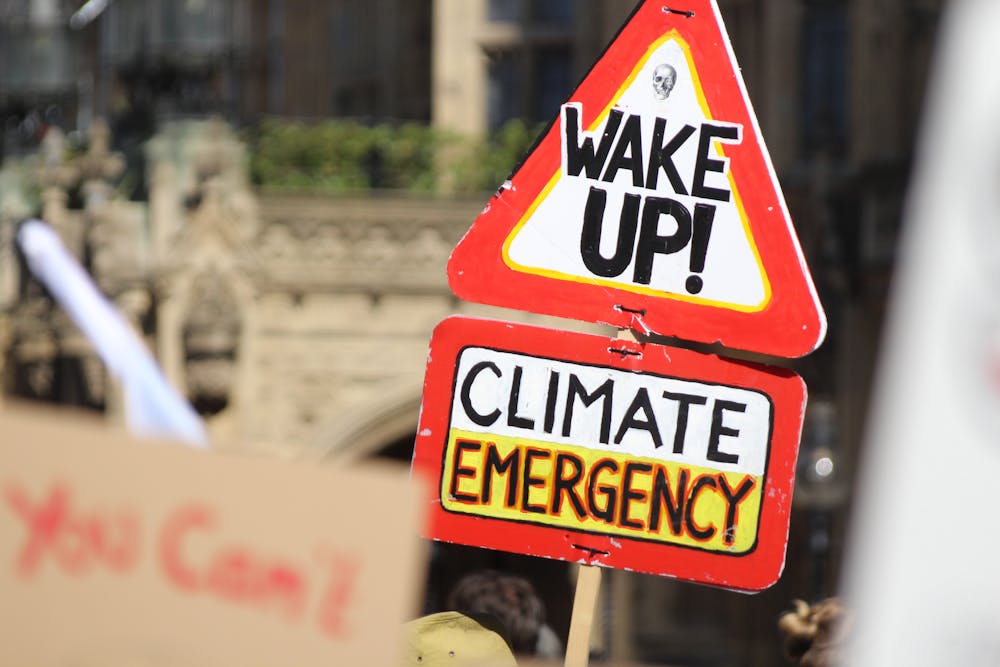 Newer environment groups pushed for faster and greater action.
Shutterstock
Newer environment groups pushed for faster and greater action.
Shutterstock
After Rudd was replaced as party leader, Labor shelved the scheme, drawing criticism from the Greens and green groups of all stripes.
So what’s changed 14 years later? Labor wants the Greens and independent senators to support a bill legislating a symbolic goal (the 2030 target) without much detail about how it will achieve this.
For now, most green groups appear willing to support Labor’s carbon target legislation as long as the target is a genuine “floor” on ambition and there is an effective policy “ratchet” that can be used later. This is a Greens strategy straight from the 2008–09 period. But they are even clearer now that the ratchet should address coal and gas expansions.
2. Carbon markets don’t depoliticise climate policy
The legacy of the Rudd government’s weak carbon trading scheme lived on in the Gillard government’s 2011 carbon farming laws and the Abbott government’s Direct Action Plan. It left our main federal climate policy as a deeply flawed carbon offset scheme tied to incredibly loose caps on Australia’s heavy emitters.
Read more: The election shows the conservative culture war on climate change could be nearing its end
Carbon trading and offsets are a remarkably indirect way to deal with the climate problem. Emissions trading regulates emissions at the end of the pipe and tend to be designed in way that provide far too much flexibility about where and when emissions are cut.
Existing evidence suggests carbon prices have not caused actual emissions reduction. Now it seems that Labor may end up using the existing safeguard mechanism and carbon offset scheme to reach its 2030 target.
Market mechanisms, particularly emissions trading and offsetting, emerged as a political solution to industry resistance to climate policy.
In 2009, former CSIRO economist Clive Spash published compelling criticism of carbon trading schemes. He outlined the gap between textbook theory of emissions trading and the realpolitik of industry influence over price design – and rubbished the idea you fossil fuel emissions can be offset by land carbon emissions.
Creating “credits” from land ecosystems should not be used to compensate for fossil fuel emissions. In terms of regulatory practice, land offsets are broken by design.
This week Labor will introduce a second piece of legislation to renew the Climate Change Authority’s role in measuring progress. This has green group support. But it’s doubtful expert advice alone will ramp up ambition.
No single piece of legislation will fully tackle this crisis. We urgently need strategies investing in new industries and transition arrangements in the communities most affected by the turbulence of economic transition.
3. Energy industry policy could be effective climate policy
Politically, carbon markets have not helped broker consensus between political parties and with industry.
Tightening the loose baselines of industrial facilities and removing the link to offsets would make the safeguard mechanism more effective. Direct industry regulation like this sends a very efficient and clear market signal.
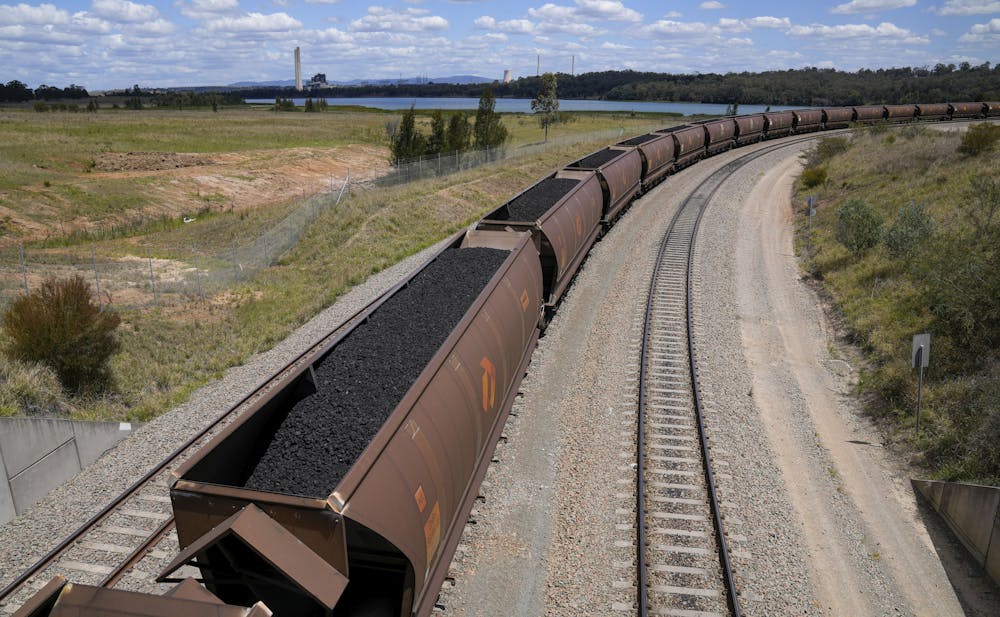 Environment groups have focused on local campaigns against coal and gas expansion.
Mark Baker/AAP
Environment groups have focused on local campaigns against coal and gas expansion.
Mark Baker/AAP
At present, environment groups are supporting the case for direct energy industry policy. In the decade since the climate wars began, most of Australia’s green groups have split off to work on electricity market reform and local campaigns to stop coal and gas expansion.
Expanding renewables and transitioning away from coal and gas require planned industrial restructuring at state and federal levels and careful diplomacy with our trading partners. These issues were never going to be addressed with a carbon price alone.
Every green group will need to push Labor to keep coal and gas in the ground. And hold Labor to account on the policy mechanisms it will have to ramp up if the government is serious about climate mitigation.
Most members of environment groups would identify as political realists. They know perfect policies are impossible. Here’s hoping they can pressure our reluctant government to get on with things.
Read more: There's a smart way to push Labor harder on emissions cuts – without reigniting the climate wars
Authors: Rebecca Pearse, Lecturer, Australian National University


















