

a call for self-determination and a key moment on the path to the Voice
- Written by Julie Andrews, Professor and Academic Director (Indigenous Research), La Trobe University
Aboriginal and Torres Strait Islander readers are advised this article contains names and images of deceased people.
Many people do not know about the early activism undertaken at Victorian Aboriginal missions and reserves in response to colonisation. However, there are countless stories of Aboriginal people across Australia fighting the colonisers.
In Victoria, descendants of the residents of Maloga, Cummeragunja, Lake Tyers, Lake Condah, Coranderrk, Ebenezer (and more) were rounded up and placed onto missions for protection due to a lawless frontier. But the price they had to pay unwillingly was their land, their language, their lore and kinship structures.
Many protested the strict daily routine of Christian life and later against the oppressive and below-standard health, housing and education on government missions. We need to honour those Elders who advocated on behalf of their people and family on the missions, who walked the hard road for recognition of Aboriginal rights and risked their safety. It is because of their leadership we have survived despite our culture being desecrated.
Yet today, our languages are returning, our family histories remain strong and the connection to our missions are a testimony to our respect for our Elders.
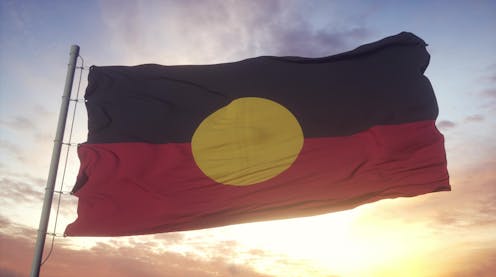
Later this year, all adult Australians will vote on updating the Constitution to include an Aboriginal and Torres Strait Islander Voice to parliament. The task for the person voting is a simple “yes” or “no”. Each of us must ponder what could be gained or lost from this process; the referendum result and its implications will become a major part of the history of Australia’s relations with Indigenous people.
However, this is not the first time Aboriginal and Torres Strait Islander people have called for a greater say in their own lives.
One example involves the First Nations residents from a small Aboriginal mission named Maloga, on the Barmah sandhills near the Murray River in New South Wales, who fought for self-determination and self-governance.
The Maloga mission
The Maloga mission, a small and under-resourced pioneering farming settlement, was managed by missionaries Daniel and Janet Matthews.
In July 1881, 42 men from the Maloga mission addressed a petition to the NSW governor.
In their 1881 petition, the Maloga mission men who sought greater freedom from missionary control called for the government to grant them their own parcel of land. They argued their native game had been reduced or exterminated by settlers and their sheep, reducing them to “beggary”. Sheep had eaten out yams and other foods and trampled and fouled waterholes on their land, and the settlers had chased off other game.
These men wanted their land back so they “could cultivate and raise stock” and believed “we could, in a few years support ourselves by our own industry”.
At first, this petition seemed to fall on deaf ears. But later in the 1880s, the NSW government set aside about 730 hectares across the river from Maloga as a government reserve.
Daniel Matthews is sometimes credited as having helped facilitate this result but many Maloga families, tiring of the strict Christian rules of the mission and of the Matthews’ paternalism, soon moved to the new reserve. The new residents promptly named it “Cummeragunja”, a Yorta Yorta word meaning “our home”.
Gaining and losing land
Some First Nations people in this area eventually gained individual blocks of land to farm. But according to historian Fiona Davis, this ended “when the blocks were revoked for communal farming – later to be leased out to white farmers.” Scholar Wayne Atkinson refers to this as another form of “land confiscation” against the Maloga men enforced by government legislation.
This is also reflected in oral histories and testimony for an historic land claim made by the Yorta Yorta in 1994, as well as the documentary Lousy Little Sixpence and Wayne Atkinson’s broader body of work. Many descendants of Cummeragunja residents still tell of family members being given parcels of land to farm; they also know the landmarks where the farming took place and tell of land being taken away to be used by white farmers.
Maloga’s place in a long history of Aboriginal activism
The Maloga mission petition of 1881 is significant in and of itself, but also because it set many people – including Yorta Yorta man William Cooper, who lived as a young boy at Maloga and was part of a later land rights petition in 1887 – on a career of activism.
This involved yet more petitions, letters to government and using the press to voice their views on First Nations issues.
Cooper, who formed the all-Aboriginal Australian Aborigines’ League in Melbourne in 1933, tried to petition the king to support the appointment of an Aboriginal member “to represent us” in federal parliament.
The Australian government never forwarded the petition to the king, but Cooper’s descendent Boydie Turner managed to get it to Buckingham Palace in 2014.
William Cooper also called for January 26 to be marked as a day of mourning and protest.
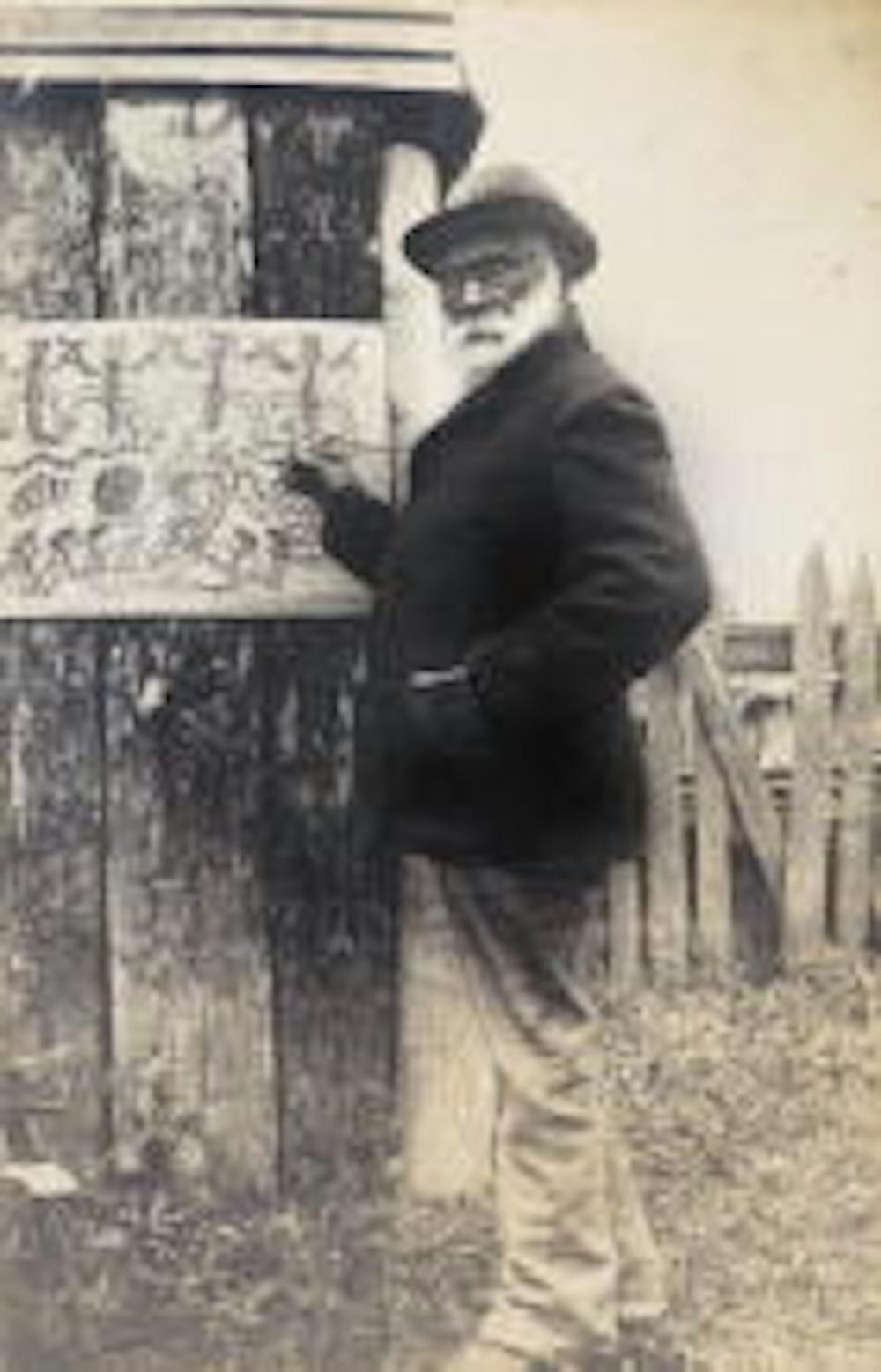
The Maloga petitioners of 1881 were likely inspired by earlier events at Coranderrk, an Aboriginal settlement near Healesville established in 1863. Key figures in the history of Aboriginal political action in Victoria, such as Simon Wonga and William Barak, had called for land here to be set aside for First Nations people.
But ownership of the Coranderrk reserve was always contested. The Kulin residents at Coranderrk fought hard against the efforts of the Victorian Aborigines Protection Board to close the reserve.
Barak travelled to Maloga in 1881 and told the community about the Kulin people’s fight, which inspired the Maloga men to say in their petition that year:
we more confidently ask this favour of a grant of land as our fellow natives in other colonies have proved capable of supporting themselves, where suitable land had been reserved for them.
Fighting for equality since early colonisation
The Maloga petition of 1881, and the activism that came before and after it, shows First Nations voices have demanded justice since the early days of colonisation.
But their demands have rarely been heeded by governments. Will this Voice to Parliament be more of the same, or will it help bring real change?
The Australian government now has the power to create a Voice, this time not in, but to, parliament. Would the many First Nations petitioners to governments over the years, William Cooper included, approve of the campaign?
First Nations people have long fought to form a relationship based on communicating truth and mutual understanding to parliament. Hopefully, that’s what this Voice will be.
Read more: What do we know about the Voice to Parliament design, and what do we still need to know?
Authors: Julie Andrews, Professor and Academic Director (Indigenous Research), La Trobe University


















