

Confessions of an English Opium Eater by Thomas De Quincey – a dense, strange journey through addiction
- Written by Jamie Q Roberts, Lecturer in Politics and International Relations, University of Sydney
Drugs are nothing new. As researchers Russil Durrant and Jo Thakker tell us in their 2003 book Substance Use & Abuse, drugs such as alcohol, tobacco, opium and cannabis have been used for thousands of years throughout the world. They also show we have known about addiction for a long time – the addictive nature of opium was familiar to Greek and Roman physicians.
But the addict as a cultural figure is more recent: an archetype thrown up by modernity. The names are familiar to us: Amy Winehouse, Kurt Cobain, Brett Whiteley, Hunter S. Thompson, Jack Kerouac, Charles Baudelaire, Samuel Coleridge, Thomas De Quincey. Indeed, it was De Quincey’s autobiographical Confessions of an English Opium Eater, published in 1821, that first gave us this archetype.
The addict can be a beguiling figure. On the one hand, we may admire him or her. We live in prosperous times, where so much is possible, yet many of us are shackled to our grinding lives. The addict seemingly rebels against the quotidian. And for the artist-addict, drugs are a muse.
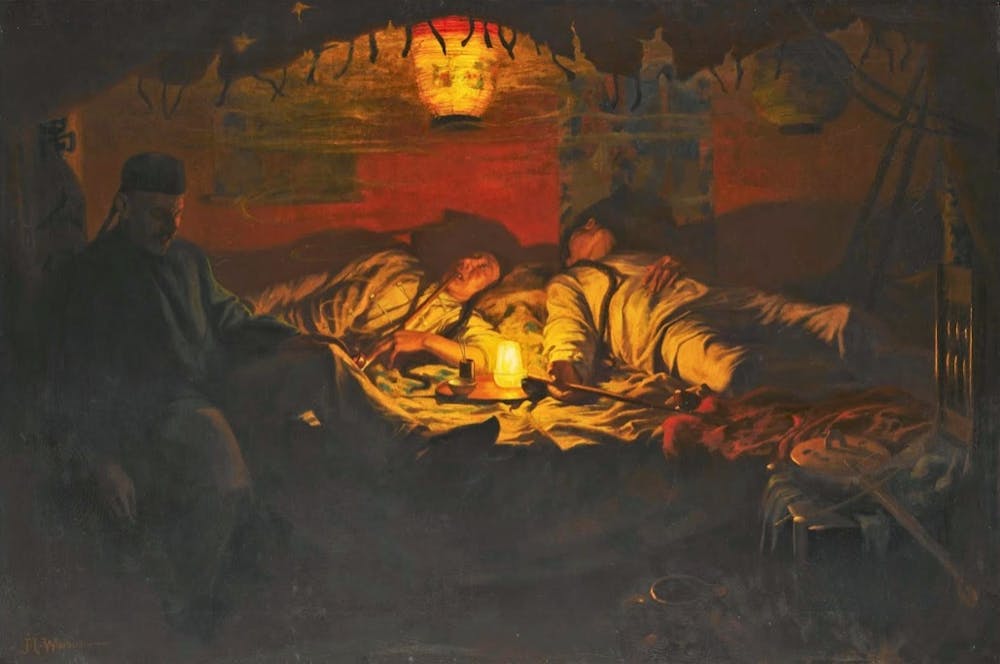 John L. Wimbush’s 1889 painting Lingering Clouds, depicting a London opium den.
Wikimedia Commons
In the section “The Pleasures of Opium”, we read:
I was necessarily ignorant of the whole art and mystery of opium-taking: and, what I took, I took under every disadvantage. But I took it: – and in an hour, oh! Heavens! What a revulsion! What an upheaving, from its lowest depths, of the inner spirit! What an apocalypse of the world within me! That my pains had vanished, was now a trifle in my eyes: – this negative effect was swallowed up in the immensity of those positive effects which had opened before me – in the abyss of divine enjoyment thus suddenly revealed.
John L. Wimbush’s 1889 painting Lingering Clouds, depicting a London opium den.
Wikimedia Commons
In the section “The Pleasures of Opium”, we read:
I was necessarily ignorant of the whole art and mystery of opium-taking: and, what I took, I took under every disadvantage. But I took it: – and in an hour, oh! Heavens! What a revulsion! What an upheaving, from its lowest depths, of the inner spirit! What an apocalypse of the world within me! That my pains had vanished, was now a trifle in my eyes: – this negative effect was swallowed up in the immensity of those positive effects which had opened before me – in the abyss of divine enjoyment thus suddenly revealed.
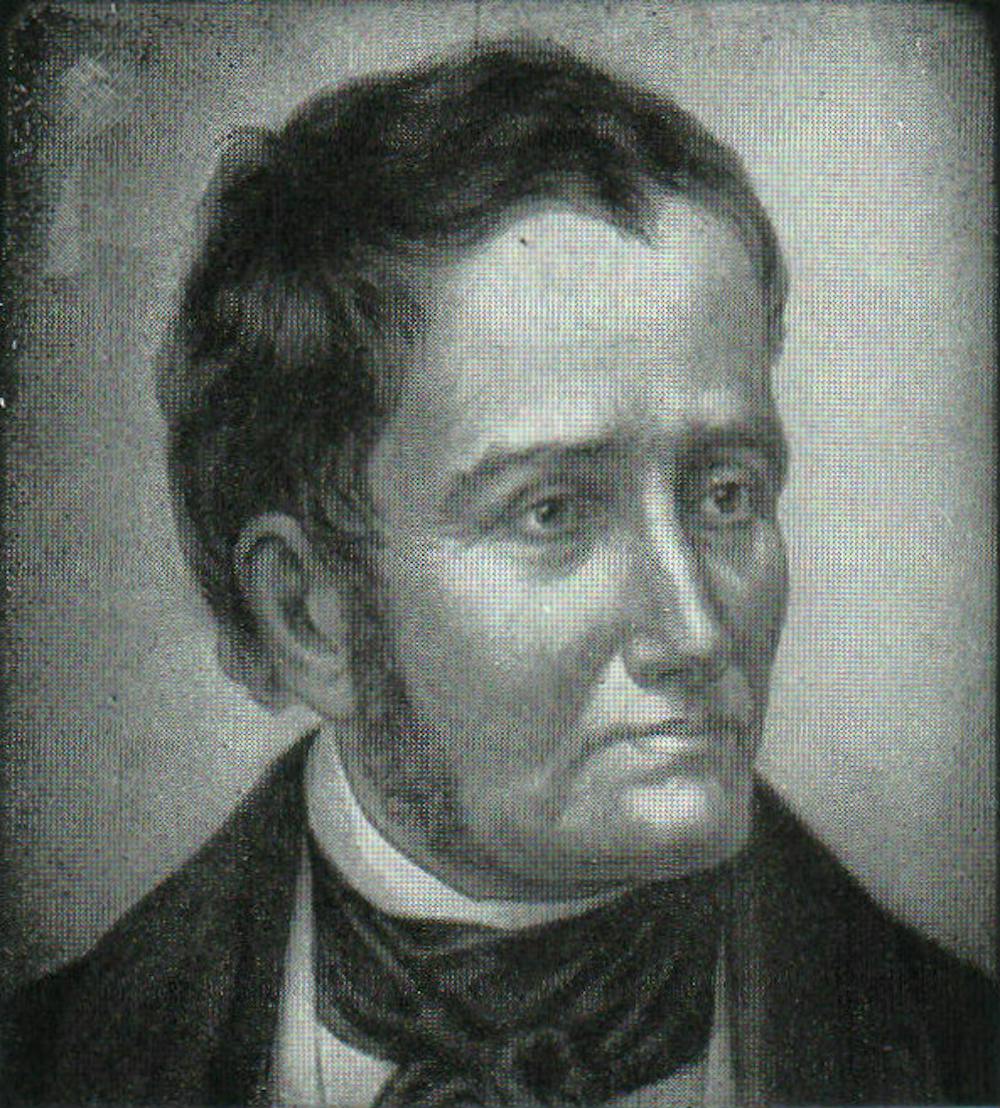 Thomas De Quincey.
Wikimedia commons
So much is revealed in these remarks. We see the grandness of De Quincey’s prose, which is at times sublime and at times too much. And we also see the double edge of opium use: De Quincey is talking about the pleasures of opium, yet he speaks about revulsion, apocalypse, the abyss. Opium would come to dominate De Quincey’s life; though remarkably, he lived until he was 74 (no 27 Club for him).
De Quincey spent some years closely associated with Wordsworth and his family, but he was also often hiding from debtors, having squandered his generous inheritance. He aspired to be a great philosopher, but he didn’t make it. Instead, he made a living writing articles. Milligan wryly ponders the role played by opium in De Quincey’s sort of successful and sort of failed life:
it is difficult to say what in this whole drama was cause, what was effect, and what was neither.
Published when De Quincey was 36, Confessions of an English Opium Eater, with the somewhat tragic subtitle “Being an Extract from the Life of a Scholar”, was a great success. De Quincey also produced numerous essays and other works reflecting on his life and drug use.
Influence
Many well-known figures were influenced by De Quincey. Edgar Allan Poe drew on Confessions and other works by De Quincey in his short story The Purloined Letter (1844). Charles Baudelaire’s Les Paradis Artificiels (1860) was a translation and adaptation of Confessions.
Thomas De Quincey.
Wikimedia commons
So much is revealed in these remarks. We see the grandness of De Quincey’s prose, which is at times sublime and at times too much. And we also see the double edge of opium use: De Quincey is talking about the pleasures of opium, yet he speaks about revulsion, apocalypse, the abyss. Opium would come to dominate De Quincey’s life; though remarkably, he lived until he was 74 (no 27 Club for him).
De Quincey spent some years closely associated with Wordsworth and his family, but he was also often hiding from debtors, having squandered his generous inheritance. He aspired to be a great philosopher, but he didn’t make it. Instead, he made a living writing articles. Milligan wryly ponders the role played by opium in De Quincey’s sort of successful and sort of failed life:
it is difficult to say what in this whole drama was cause, what was effect, and what was neither.
Published when De Quincey was 36, Confessions of an English Opium Eater, with the somewhat tragic subtitle “Being an Extract from the Life of a Scholar”, was a great success. De Quincey also produced numerous essays and other works reflecting on his life and drug use.
Influence
Many well-known figures were influenced by De Quincey. Edgar Allan Poe drew on Confessions and other works by De Quincey in his short story The Purloined Letter (1844). Charles Baudelaire’s Les Paradis Artificiels (1860) was a translation and adaptation of Confessions.
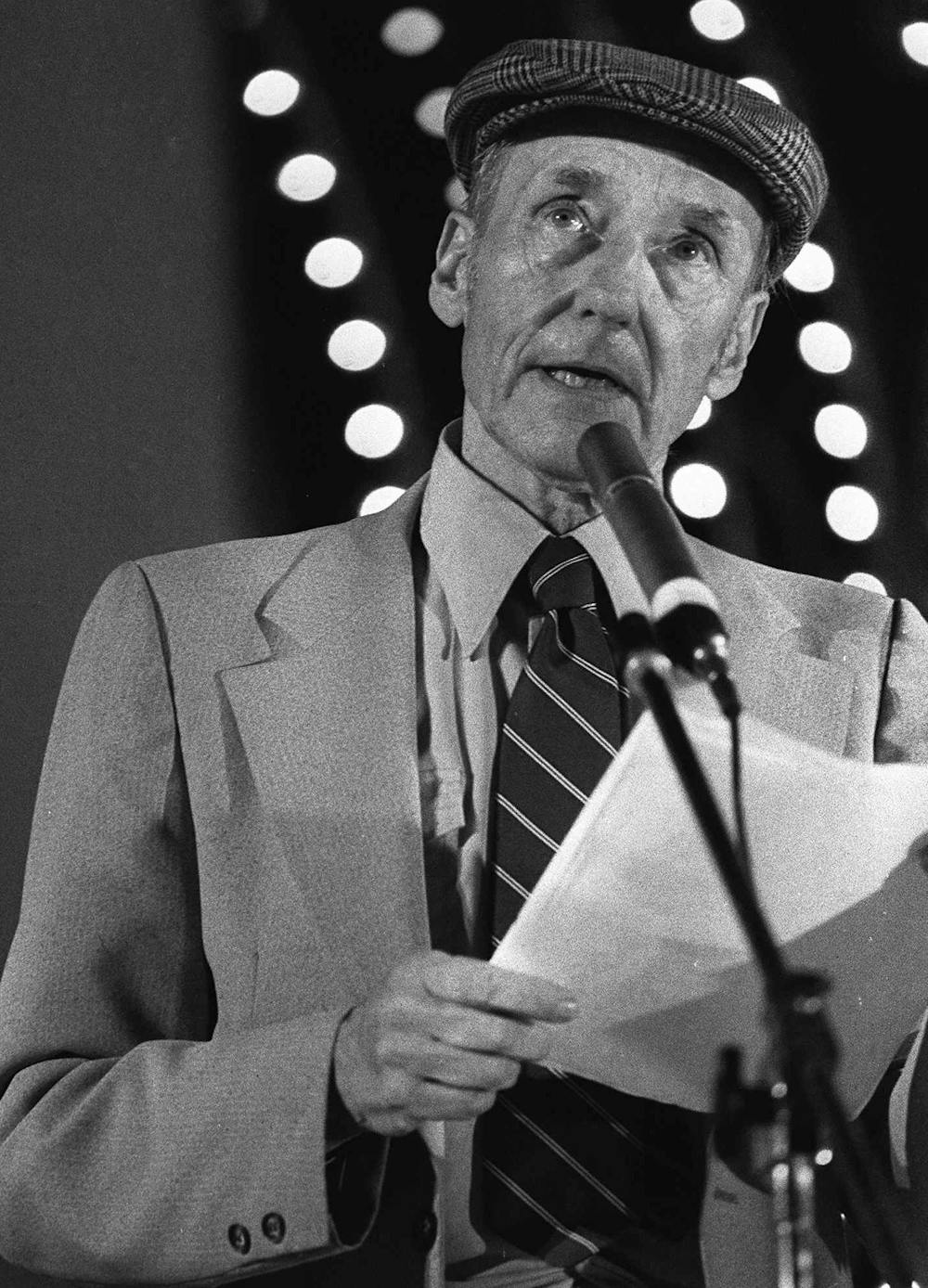 William Burroughs, author of Junkie.
Michel Lipchitz/AAP
But beyond direct literary influence, De Quincey, as writer Lucy Inglis puts it, helped establish “drug addiction as a noble artistic undertaking for two generations of the 20th century”. The Beat writers Wlliam S. Burroughs and Jack Kerouac are good examples of this.
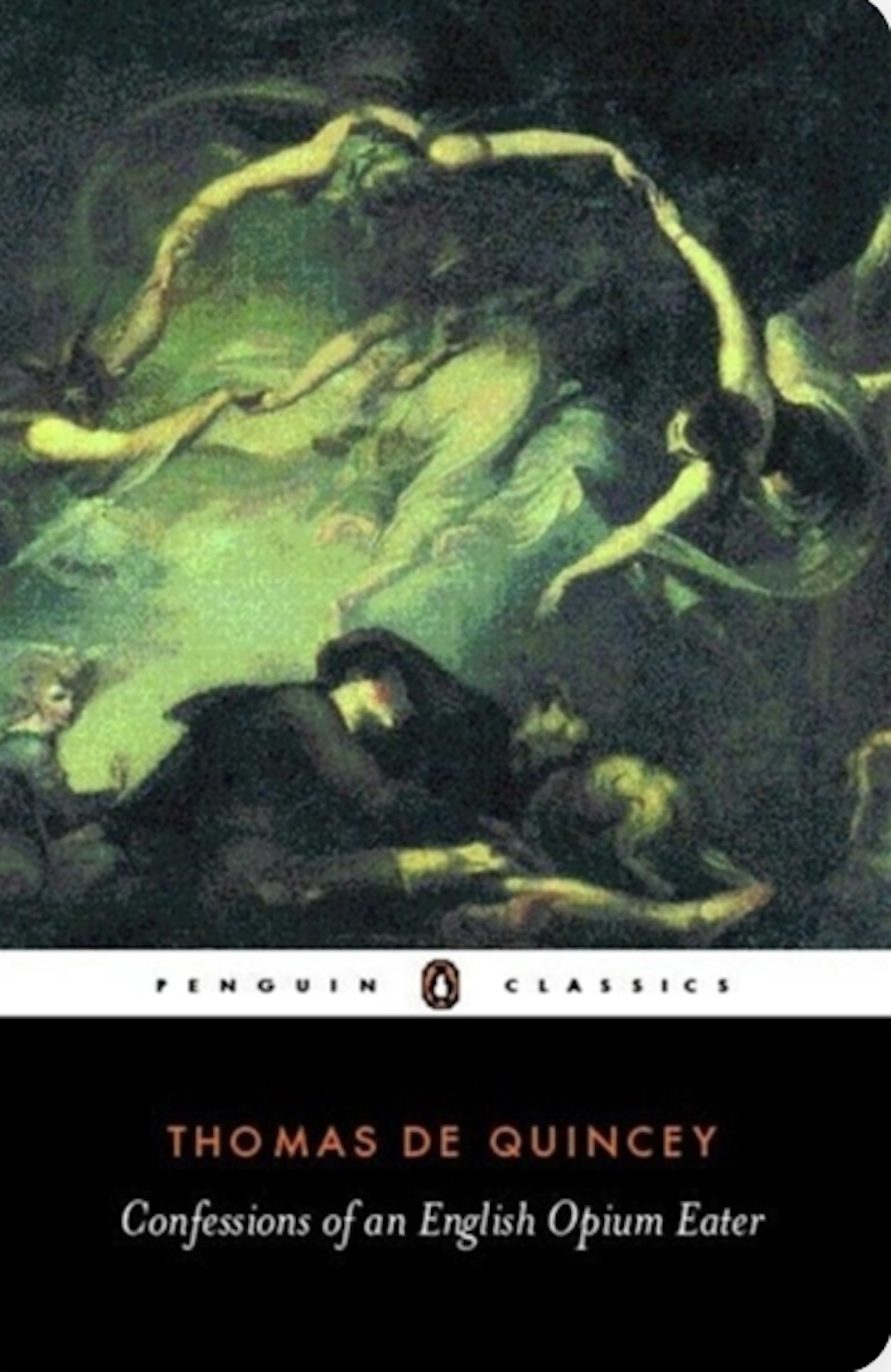
Early in Confessions, De Quincey says he produced the work to render a service “to the whole class of opium-eaters”. I had presumed, when first reading this, that the service would be something along the lines of “don’t do drugs, kids”. But alas, this isn’t exactly the message that comes from the work.
Read more:
The beat goes on: 100 years of William S Burroughs
Dense and strange
Confessions is short – my Penguin copy is under 100 pages. Yet it is a dense and strange work: at once a story, a memoir and an essay.
Astoundingly poetic, it is also burdened with far too many references to literature and philosophy (this is one of the many rabbit holes you could go down) and digressions and introductions and preliminary remarks and explanatory notes – which are mostly hilarious, but maybe not intentionally. Is this what happens when you cross a scholar with an opium addict?
The work begins with some remarks “To the reader”. Then follows Part One: “Preliminary Confessions”, in which De Quincey describes his youth and his time in London. No opium is consumed in this part.
William Burroughs, author of Junkie.
Michel Lipchitz/AAP
But beyond direct literary influence, De Quincey, as writer Lucy Inglis puts it, helped establish “drug addiction as a noble artistic undertaking for two generations of the 20th century”. The Beat writers Wlliam S. Burroughs and Jack Kerouac are good examples of this.
Early in Confessions, De Quincey says he produced the work to render a service “to the whole class of opium-eaters”. I had presumed, when first reading this, that the service would be something along the lines of “don’t do drugs, kids”. But alas, this isn’t exactly the message that comes from the work.
Read more:
The beat goes on: 100 years of William S Burroughs
Dense and strange
Confessions is short – my Penguin copy is under 100 pages. Yet it is a dense and strange work: at once a story, a memoir and an essay.
Astoundingly poetic, it is also burdened with far too many references to literature and philosophy (this is one of the many rabbit holes you could go down) and digressions and introductions and preliminary remarks and explanatory notes – which are mostly hilarious, but maybe not intentionally. Is this what happens when you cross a scholar with an opium addict?
The work begins with some remarks “To the reader”. Then follows Part One: “Preliminary Confessions”, in which De Quincey describes his youth and his time in London. No opium is consumed in this part.
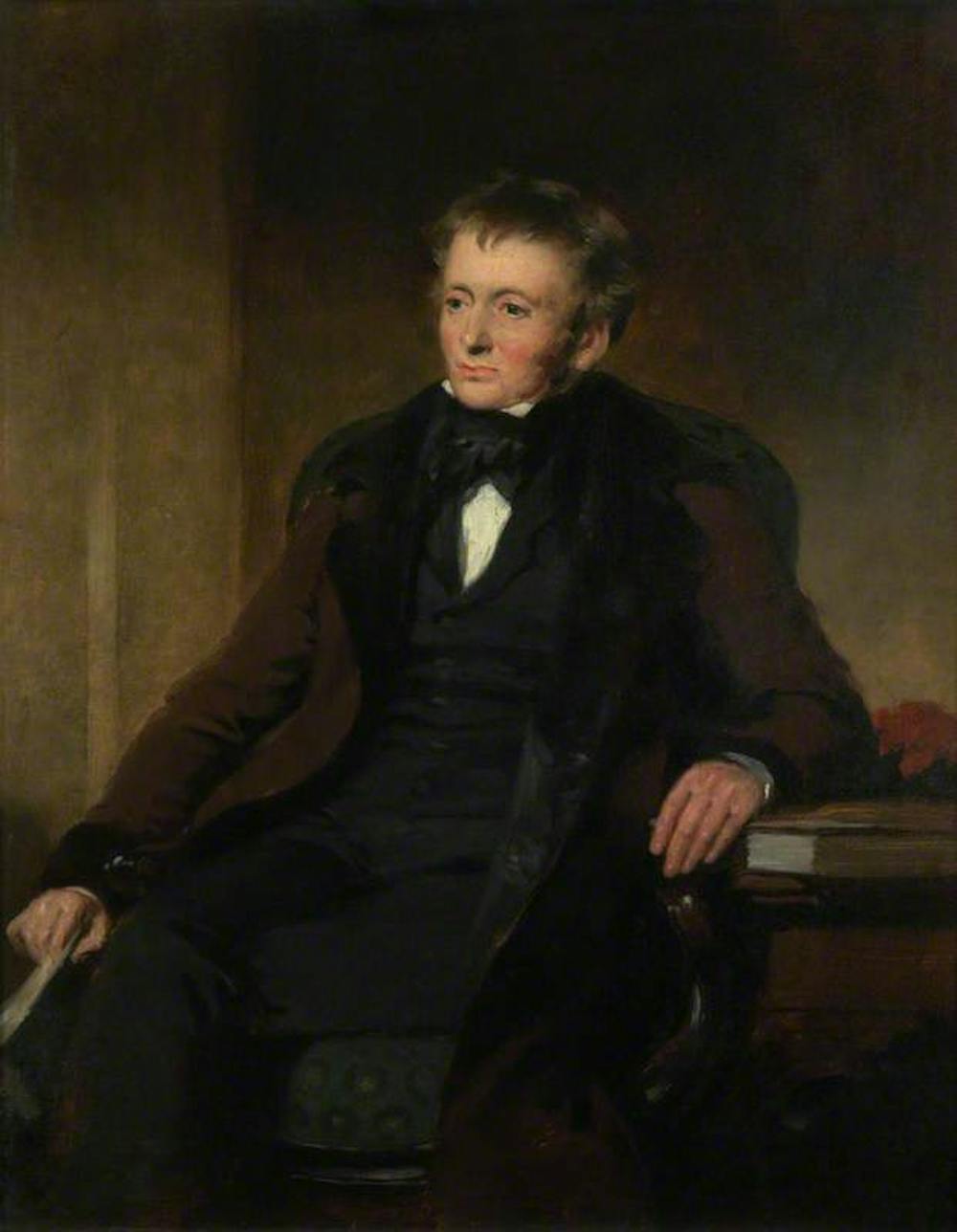 John Watson Gordon: Thomas de Quincey, circa 1846.
Wikimedia commons
Most memorable – perhaps in the entire work – is his description of two girls he met in London. The first he encountered in a empty house he was sleeping in: a “poor friendless child” who was “apparently ten years old” but who “seemed hunger bitten” such that she looked older than she was. The second was the 16-year-old prostitute, Ann, with whom De Quincey, to his great dismay, lost contact.
Next comes the shortish “Pleasures of Opium”, in which De Quincey explains why, in 1804, he first took the drug. It relates how he would take opium – at this stage, only once every few weeks – and go to the opera, and compares opium with alcohol. His description of the appearance and effects of opium are reminiscent of the song Golden Brown, by The Stranglers, which is about heroin use.
De Quincy tells us that opium “is a dusky brown in colour”. And that whereas with wine, “The pleasure … is always mounting, and tending to a crisis”, with opium, “when once generated, [the pleasure] is stationary for eight or ten hours”.
And The Stranglers: “Golden brown, texture like sun / Lays me down, with my mind she runs / Throughout the night, no need to fight / Never a frown with golden brown”.
“The Pleasures of Opium” finishes with a 171-word leviathan of a sentence. In a book with many quotable lines, this is the best; or at least, these are the lines most likely to encourage the more literarily-adept youth to consider whether the injunction to abstain from drugs ought, indeed, to be heeded. It begins:
Oh! Just, subtle, and mighty opium! That to the hearts of poor and rich alike, for the wounds that will never heal, and for “the pangs that tempt the spirit to rebel” bringest an assuaging balm …
The final section is “The Pains of Opium”. It commences in 1812, nearly a decade after The Pleasures. By this time De Quincey has moved from being a casual opium user to a daily one.
Read more:
Health Check: what makes it so hard to quit drugs?
The Pains, as if in mimicry of the desultory addict himself, drifts in and out of years, pausing inexplicably to discuss, in broad terms, De Quincey’s admiration for the British economist David Ricardo, before relating the dreams which tormented his sleep.
“I sometimes seemed to have lived for 70 or 100 years in one night”, he writes. And there is a dream about Ann.
But for me, the moral of the story is revealed in the following remarks from The Pains:
The opium-eater loses none of his moral sensibilities, or aspirations: he wishes and longs, as earnestly as ever, to realise what he believes possible, and feels to be exacted by duty; but his intellectual apprehension of what is possible infinitely outruns his power, not of execution only, but even of power to attempt.
As I read, it is here that the 2000 classic from Afroman, Because I Got High, re-enters my consciousness from deep-storage.
The song explains how Afroman himself had many aspirations, but failed to achieve them – because he got high.
Authors: Jamie Q Roberts, Lecturer in Politics and International Relations, University of Sydney
John Watson Gordon: Thomas de Quincey, circa 1846.
Wikimedia commons
Most memorable – perhaps in the entire work – is his description of two girls he met in London. The first he encountered in a empty house he was sleeping in: a “poor friendless child” who was “apparently ten years old” but who “seemed hunger bitten” such that she looked older than she was. The second was the 16-year-old prostitute, Ann, with whom De Quincey, to his great dismay, lost contact.
Next comes the shortish “Pleasures of Opium”, in which De Quincey explains why, in 1804, he first took the drug. It relates how he would take opium – at this stage, only once every few weeks – and go to the opera, and compares opium with alcohol. His description of the appearance and effects of opium are reminiscent of the song Golden Brown, by The Stranglers, which is about heroin use.
De Quincy tells us that opium “is a dusky brown in colour”. And that whereas with wine, “The pleasure … is always mounting, and tending to a crisis”, with opium, “when once generated, [the pleasure] is stationary for eight or ten hours”.
And The Stranglers: “Golden brown, texture like sun / Lays me down, with my mind she runs / Throughout the night, no need to fight / Never a frown with golden brown”.
“The Pleasures of Opium” finishes with a 171-word leviathan of a sentence. In a book with many quotable lines, this is the best; or at least, these are the lines most likely to encourage the more literarily-adept youth to consider whether the injunction to abstain from drugs ought, indeed, to be heeded. It begins:
Oh! Just, subtle, and mighty opium! That to the hearts of poor and rich alike, for the wounds that will never heal, and for “the pangs that tempt the spirit to rebel” bringest an assuaging balm …
The final section is “The Pains of Opium”. It commences in 1812, nearly a decade after The Pleasures. By this time De Quincey has moved from being a casual opium user to a daily one.
Read more:
Health Check: what makes it so hard to quit drugs?
The Pains, as if in mimicry of the desultory addict himself, drifts in and out of years, pausing inexplicably to discuss, in broad terms, De Quincey’s admiration for the British economist David Ricardo, before relating the dreams which tormented his sleep.
“I sometimes seemed to have lived for 70 or 100 years in one night”, he writes. And there is a dream about Ann.
But for me, the moral of the story is revealed in the following remarks from The Pains:
The opium-eater loses none of his moral sensibilities, or aspirations: he wishes and longs, as earnestly as ever, to realise what he believes possible, and feels to be exacted by duty; but his intellectual apprehension of what is possible infinitely outruns his power, not of execution only, but even of power to attempt.
As I read, it is here that the 2000 classic from Afroman, Because I Got High, re-enters my consciousness from deep-storage.
The song explains how Afroman himself had many aspirations, but failed to achieve them – because he got high.
Authors: Jamie Q Roberts, Lecturer in Politics and International Relations, University of Sydney 
















